
Childhood Obesity Guide — From BMI to Adult Risk & Management

Table of Contents
- Why Children's Weight Is Increasing Rapidly
- How Are Childhood Obesity Standards Determined?
- The Dangers of Untreated Childhood Obesity
- Treatment Approaches Presented by the Academic Community
- Childhood Obesity from a Traditional Korean Medicine Perspective
- Lifestyle Tips You Can Start Practicing Today
- References
"My child is a bit chubby, but they're still growing, so it'll be fine, right?" This is a question I hear very often in the clinic. Seeing a well-fed, rosy-cheeked child does bring relief. I understand that feeling. However, "chubby" and "obesity" are distinctly different issues. Missing the window to address it can affect not only health but also a child's self-esteem, so careful observation is essential.
Why Children's Weight Is Increasing Rapidly
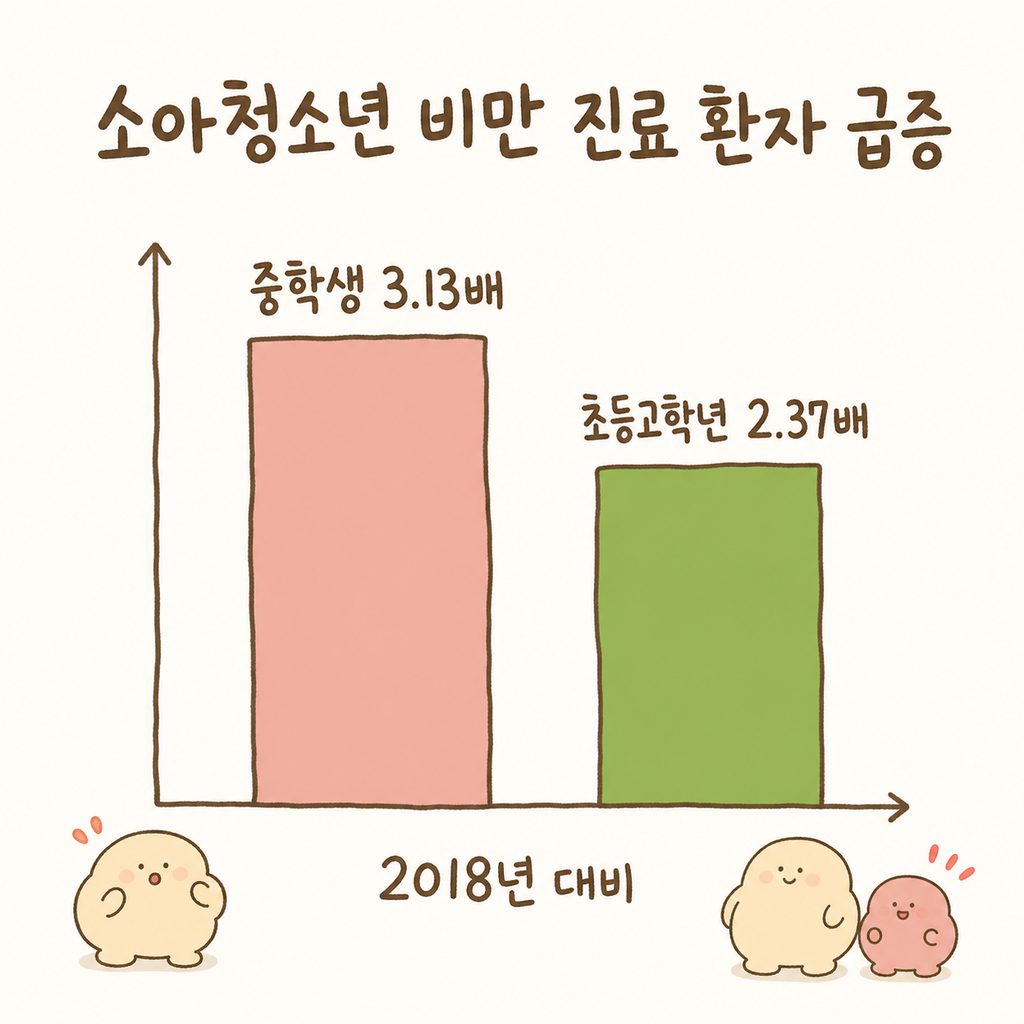
These days, the number of childhood and adolescent obesity patients is growing quickly. Looking at the National Health Insurance Service data, the difference is striking. From 2018 to recent years, the number of middle school students receiving obesity treatment increased 3.13 times, while upper elementary students (ages 10–12) saw a 2.37-fold increase. Lower elementary students increased 1.73 times, and high school students 2.25 times. No age group was exempt.
The mechanism behind weight gain itself is simple: you're consuming more calories than you're burning. Time spent sitting in front of smartphones and games has increased while time for physical activity has decreased, yet high-fat, high-calorie foods and frequent dining out appear on the table. When this imbalance accumulates, the metabolism of growing children struggles to keep up.
How Are Childhood Obesity Standards Determined?
We don't judge based on a single weight number like we do for adults. Since children are constantly growing, body mass index (BMI) that reflects gender and age is used as the standard. This value is calculated by dividing weight (kg) by height (m) squared.
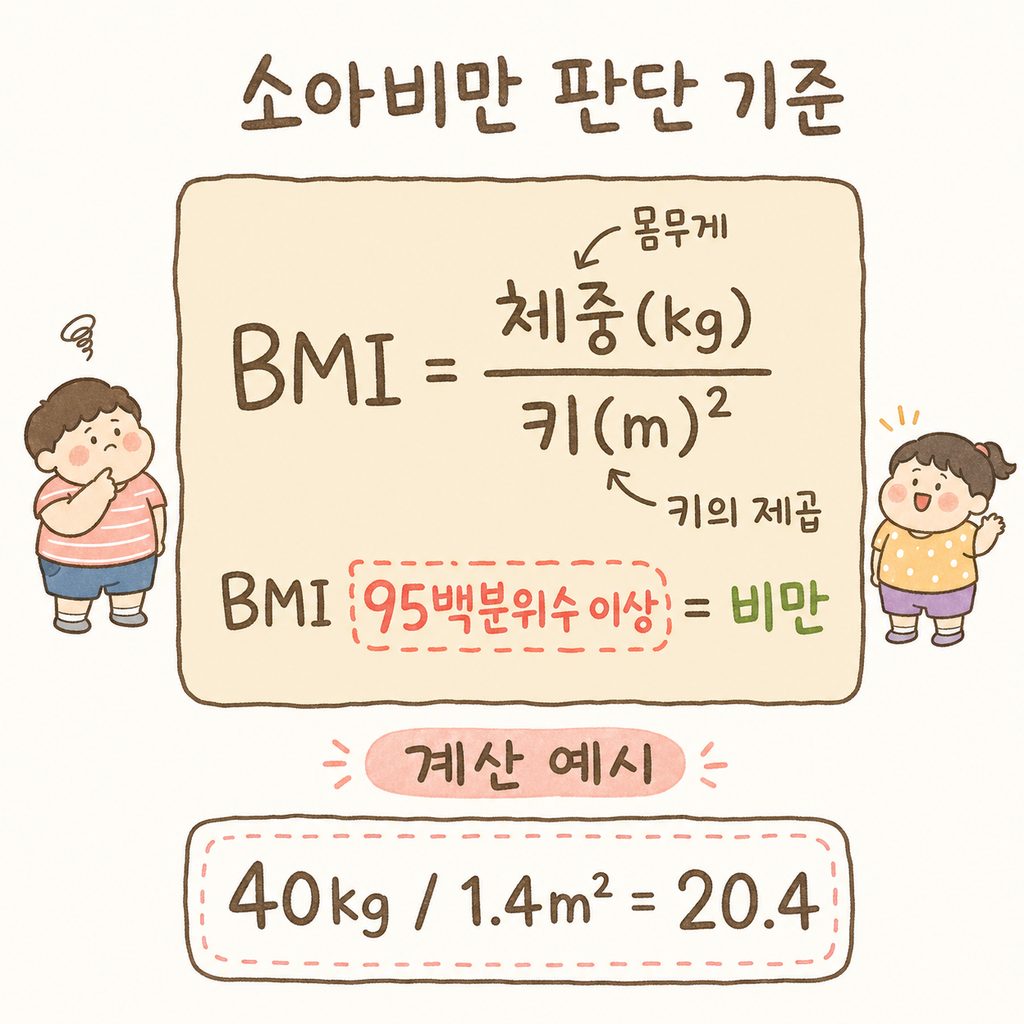
If the BMI is at or above the 95th percentile for gender and age, it's classified as obesity; between the 85th and 94.9th percentile is classified as overweight. The National Evidence-based Healthcare Collaborating Agency also emphasizes that if a child's BMI ranks in the top 5 out of 100 same-aged peers, they have obesity and should be recognized as having a medical condition requiring treatment. Calculating at home is a good start, but since growth curves need to be reviewed together, please seek an accurate diagnosis from a professional.
The Dangers of Untreated Childhood Obesity
I really want to emphasize that this isn't just an appearance issue. Childhood obesity has a very high probability of leading to adult obesity. There are reports indicating that 80% progress to adult obesity.
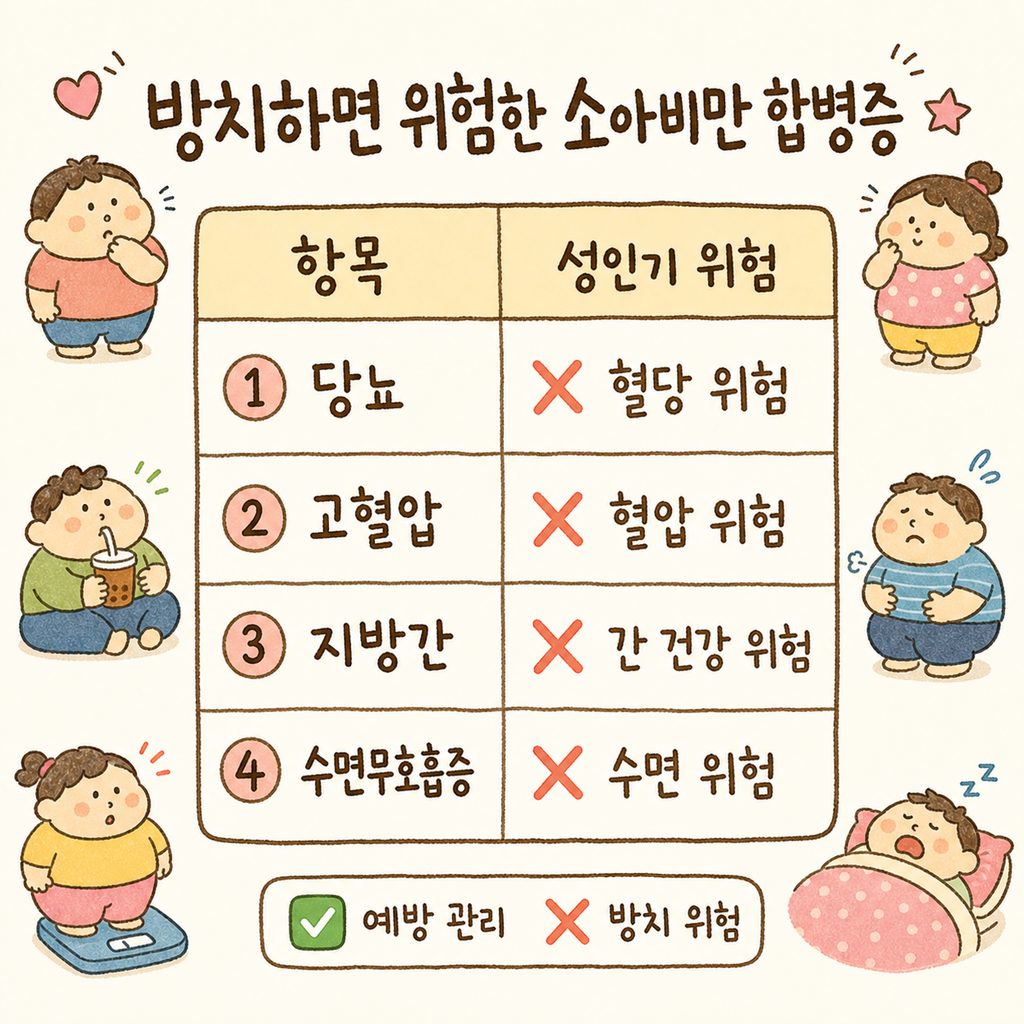
What's even more concerning is that adult-onset diseases appear at younger ages. Type 2 diabetes, hypertension, and non-alcoholic fatty liver are just some of the metabolic conditions, along with obstructive sleep apnea from snoring and cardiovascular disease risk factors. It's not just the body that suffers. Psychological effects like inferiority complex and depression among peers often follow, making parental emotional support that much more important.
Treatment Approaches Presented by the Academic Community
So how should it be treated? The 2022 updated guidelines from the Korean Society for the Study of Obesity (KOSSO) include recommendations that have achieved 100% expert consensus[1]. The key point is: it's not about going hungry. Accurate assessment considering growth and development, along with multifaceted management, must go hand in hand.
The focus of childhood obesity treatment is on building healthy lifestyle habits, not short-term weight loss. Excessive dietary restrictions can actually interfere with growth hormone secretion or cause nutritional imbalances. That's why the current trend is to recommend "family-centered treatment" where the entire family works together.
Childhood Obesity from a Traditional Korean Medicine Perspective
At a Traditional Korean Medicine clinic, we examine a child's constitution along with their qi and blood circulation and waste elimination capacity. When examining children with obesity, we often find that digestive function has become stagnant or that dampness (unnecessary waste products) has accumulated in the body, reducing metabolic capacity.
Rather than simply cutting calories, the key is to smoothly activate metabolism according to the child's innate constitution. By regulating the spleen-stomach (digestive system) function, we help suppress excessive appetite and expel accumulated toxins from the body so weight is naturally managed. When the metabolic environment improves, the child's body becomes lighter, and activity levels increase, creating a virtuous cycle.
Lifestyle Tips You Can Start Practicing Today
Let me share the practical tips I always emphasize in the clinic. Instead of grand plans, try changing one small habit at a time.
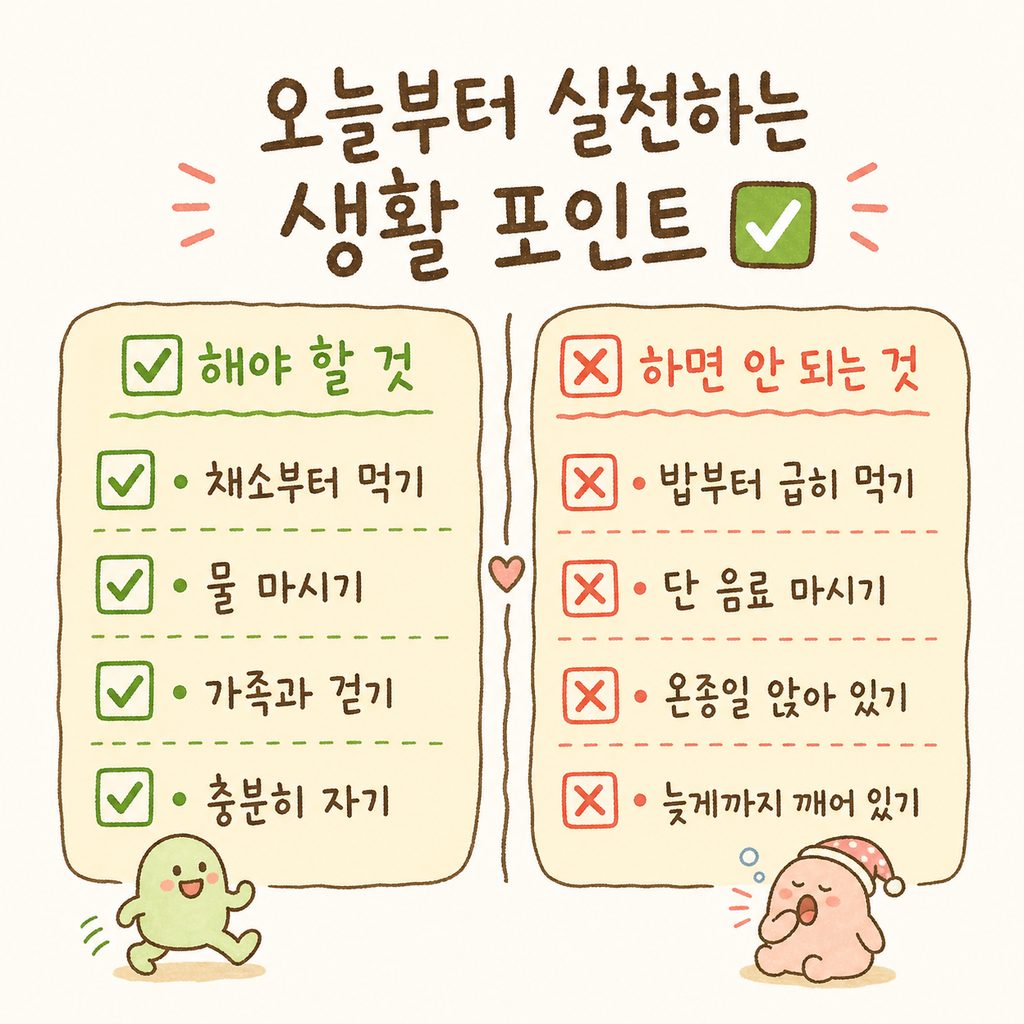
Change your meal order: Try eating vegetables → protein → carbohydrates. This helps prevent blood sugar spikes and reduces fat accumulation.
Cut out liquid fructose: Develop the habit of drinking water or barley tea instead of carbonated drinks or fruit juice.
Walk together as a family: Rather than telling your child "go exercise," it's much more effective to create an environment where parents take walks together and enjoy light sports.
Ensure adequate sleep: When you're sleep-deprived, appetite-regulating hormones become disrupted, causing you to eat more. Keep bedtime regular.
Treating childhood obesity is a process that requires a long-term perspective. Rather than being overly concerned about the numbers right now, warmly encourage your child until they make healthy habits their own.
If you need detailed adjustments tailored to your child's constitution and metabolism, consider trying the Baekrokdam Gambi-jung Program. You can expect effective results in managing weight healthily without interfering with growth. Feel free to ask any questions anytime during your consultation. Let's work together to become a guide for healthy growth.
References
[1] Obesity in Children and Adolescents: 2022 Update of Clinical Practice Guidelines for Obesity by the Korean Society for the Study of Obesity. (Journal of obesity & metabolic syndrome, 2024) — https://pubmed.ncbi.nlm.nih.gov/38193204/
References