
Swimming for Weight Loss: 1-Month Results & Diet Tips

Table of Contents
If you've been swimming for one or two months without seeing changes in your body composition, this article is for you. In our clinic, we often hear patients ask, "I started swimming because it's supposed to be good for weight loss, but why isn't it working for me?" After reviewing numerous cases, the answer is surprisingly simple: it all comes down to how you combine intensity, frequency, and diet.
Why Swimming Alone Doesn't Lead to Weight Loss
Swimming is undoubtedly beneficial for weight management, but research consistently shows that "swimming alone doesn't lead to weight loss without dietary control." Water exercise lowers body temperature, and your body expends additional energy to restore it afterward. This explains why the actual calorie burn is higher than perceived exertion. However, swimming often increases appetite, and consuming even a small snack like kimbap or tteokbokki can negate all the calories burned. That "I swam today, so I can eat a little more" mentality can erase a month's worth of effort.
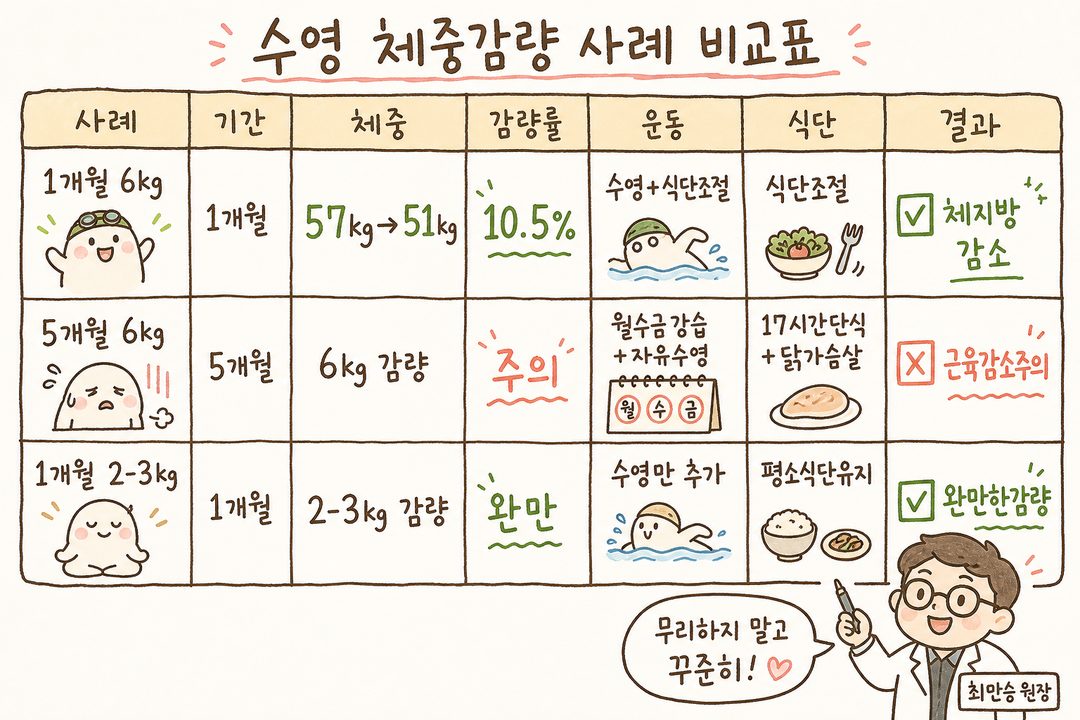

Real Results: 1-Month vs. 5-Month Transformations
Case studies reveal clear patterns:
6kg loss in 1 month: From 57kg to 51kg (approximately 10.5% body weight reduction). This case combined swimming with strict diet control - light meals of sweet potato and milk (or protein shake) for breakfast and dinner, and a moderate lunch without overeating. Key: Significant calorie reduction combined with swimming.
6kg loss in 5 months: Swimming lessons 3x/week plus 1-3 additional free swims, combined with 17-hour intermittent fasting + daily chicken breast. While weight decreased, body fat percentage remained almost unchanged, and muscle mass was lost. This highlights the limitations of extreme dieting and fasted cardio.
2-3kg loss in 1 month with swimming only: Minimal dietary changes, just added swimming.
These cases demonstrate that "how you lose weight" matters more than "how much you lose." Weight loss that includes muscle loss often leads to yo-yo dieting.
Recommended Intensity and Frequency
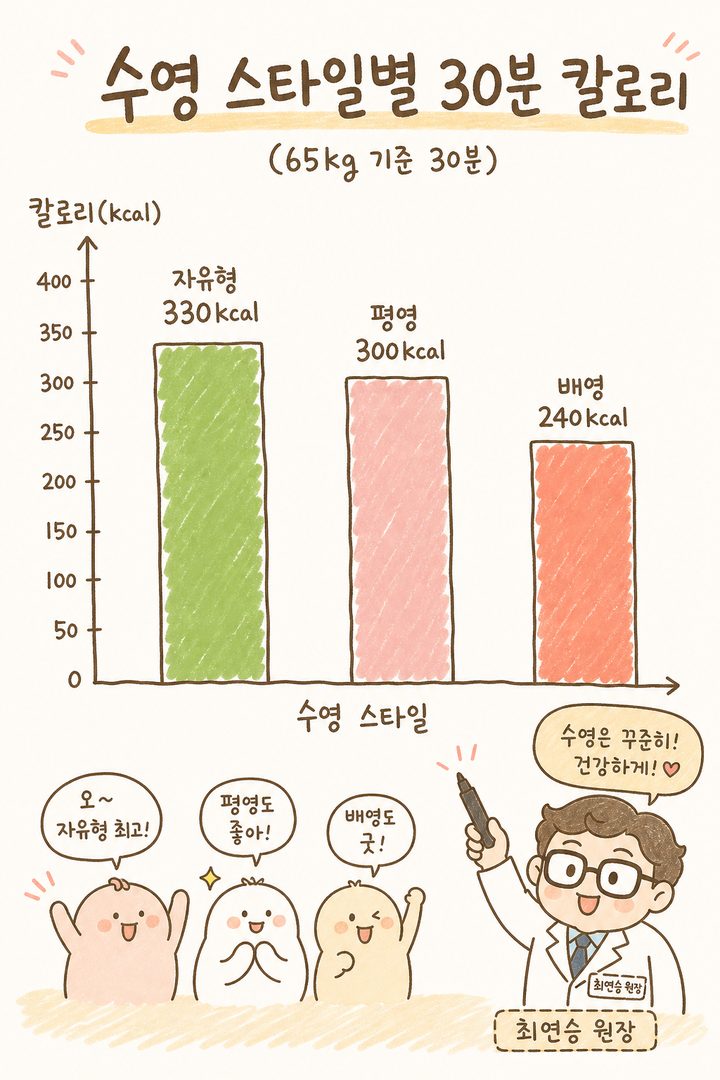
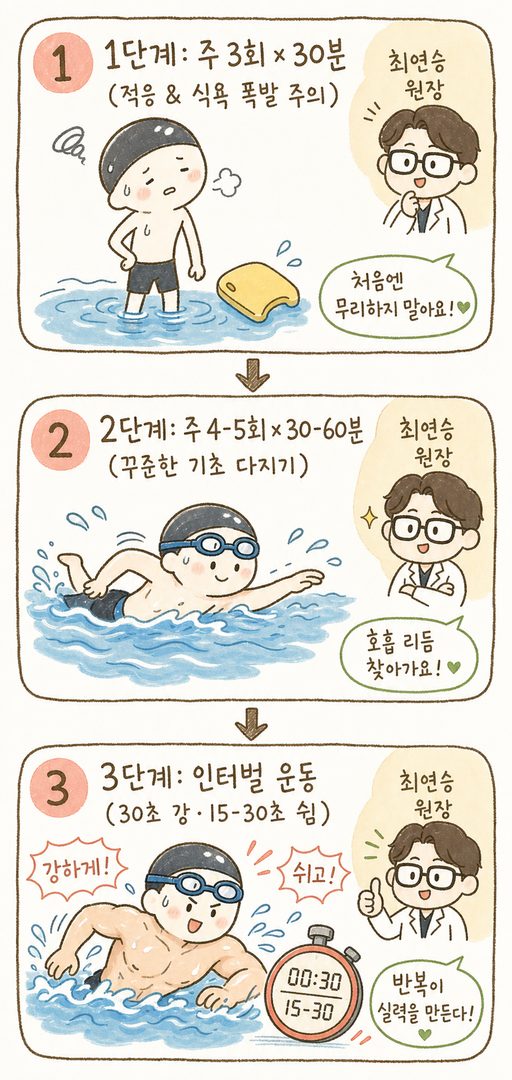
For beginners, start with 3 sessions per week, 30 minutes each. For weight loss, aim for 4-5 sessions per week, 30-60 minutes each. Calorie burn (65kg person): approximately 330kcal for freestyle, 300kcal for breaststroke, and 240kcal for backstroke per 30 minutes. To increase intensity, try interval training: 30 seconds intense swimming followed by 15-30 seconds rest. High-intensity swimming 4 times per week may lead to 0.9-1.8kg (2-4 pounds) weight loss per month. While these numbers might not seem impressive, consistent effort over months yields visible body changes.
Without Diet Control, Exercise Efforts Vanish
Post-swim hunger is natural, but how you respond matters. As shown in the 1-month case, significantly reducing calorie intake while increasing expenditure through swimming works best. However, severely restricting protein (like the 5-month case) leads to muscle loss. When the body faces extreme conditions (like 17-hour fasting with minimal protein), it starts burning muscle. Aim for a protein-rich meal within 30-60 minutes after swimming, and reduce but don't eliminate carbohydrates.
Baekrokdam's Perspective on Swimming for Weight Loss
From our clinical experience, those who struggle with swimming for weight loss often share common patterns: post-exercise binge eating, water retention, and late-night eating habits. In Korean medicine, this is viewed as "impaired spleen-stomach function with phlegm-dampness accumulation" - essentially, the body's inability to properly circulate fluids and eliminate waste. Instead of increasing exercise, we first address appetite control and fluid metabolism according to individual constitution. For swimming efforts to translate into results, both food intake and digestive function must be properly regulated. This explains why some people lose weight while others only experience reduced water retention from the same 30-minute swim.

Action Steps Starting Today
First 4 weeks: Start with 3 sessions per week, 30 minutes each to build an adaptation period. Swimming daily from the start may trigger excessive hunger.
After adaptation: Increase to 4-5 sessions per week, 30-60 minutes each, incorporating interval training (30 seconds intense/15-30 seconds rest) 1-2 times weekly.
Have a protein-focused meal within 1 hour after swimming. "I exercised today, so it's okay" is the most dangerous mindset.
Instead of daily weigh-ins, check body composition (including body fat percentage and muscle mass) every 2 weeks to catch muscle loss early.
Fasted swimming isn't for everyone. If you feel dizzy or tend to binge after lessons, have a small carbohydrate snack before swimming.
If your weight has plateaued despite regular swimming, evaluate your body's current condition rather than increasing exercise. Consider appetite, water retention, sleep, and digestion patterns to develop a personalized diet and exercise plan. If you need help, consult with Baekrokdam Korean Medicine Clinic about Baekrok Gambi-jung and personalized treatment plans. We'll help transform your swimming efforts into satisfying results.