
Pregnancy Weight Gain Chart: BMI Guidelines & Tips

Table of Contents
- Why Weight Gain Varies from Person to Person
- Recommended Weight Gain by BMI Group
- The Scientific Basis for Recommended Weight Management
- Pregnancy Metabolism Management from a Traditional Korean Medicine Perspective
- Management Points You Can Start Implementing Today
- For a Healthy Delivery and Recovery
- References
If you've ever worried about your changing weight during pregnancy, you're definitely not alone. Many moms-to-be stress over weekly scale numbers—gaining too little worries you about the baby, while gaining too much brings its own concerns. This is something I hear nearly every day in my practice.

Why Weight Gain Varies from Person to Person
It's difficult to give a single "X kg" recommendation for healthy pregnancy weight gain. The key factor is your pre-pregnancy body mass index, or BMI. This is calculated by dividing your weight (kg) by the square of your height (m²), and it reflects your individual physique and basal metabolism.
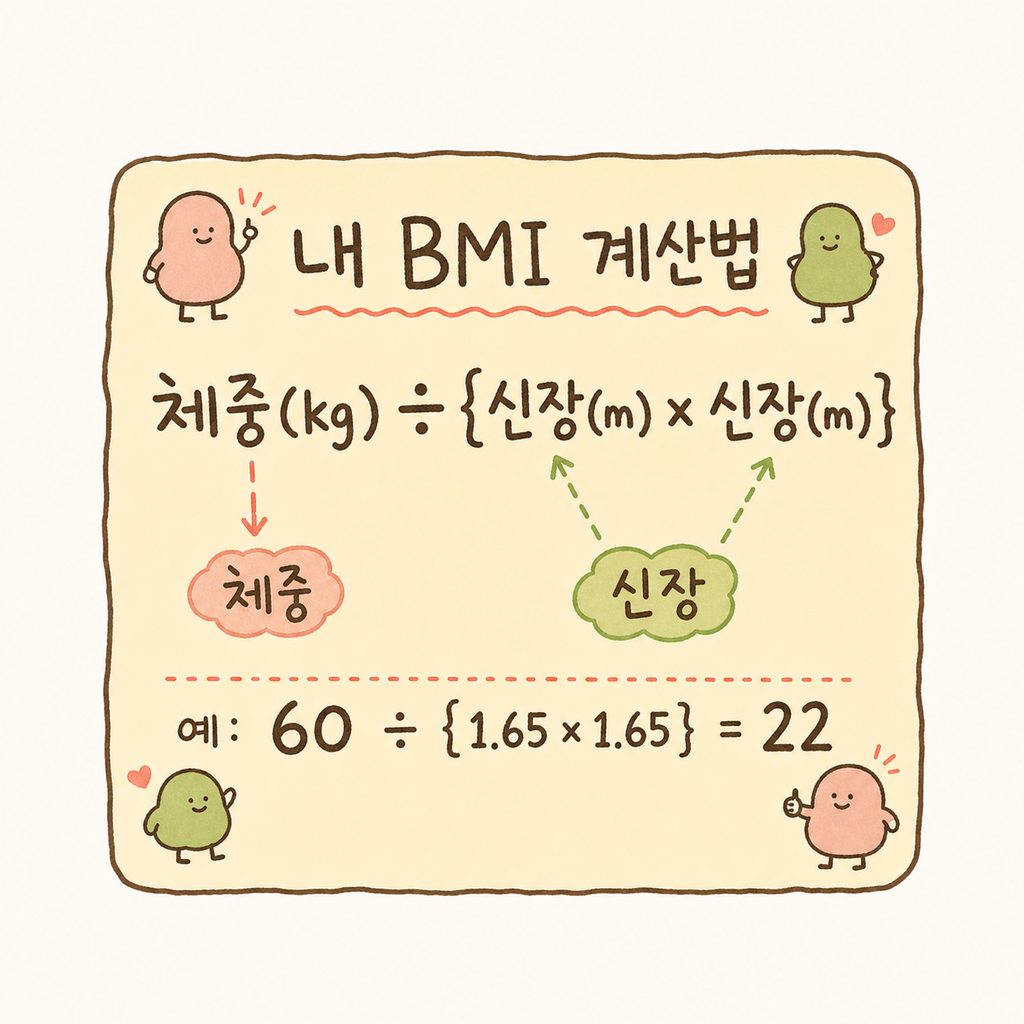
Depending on whether you were underweight or overweight before pregnancy, your body can accommodate different amounts of nutrition and energy. That's why experts use weight gain guidelines divided by BMI groups.
Recommended Weight Gain by BMI Group
This is the most common reference I share with patients in the clinic. Based on the MSD Manual and related guidelines, here are the total recommended pregnancy weight gains by BMI, presented as an easy-to-read list instead of a table.
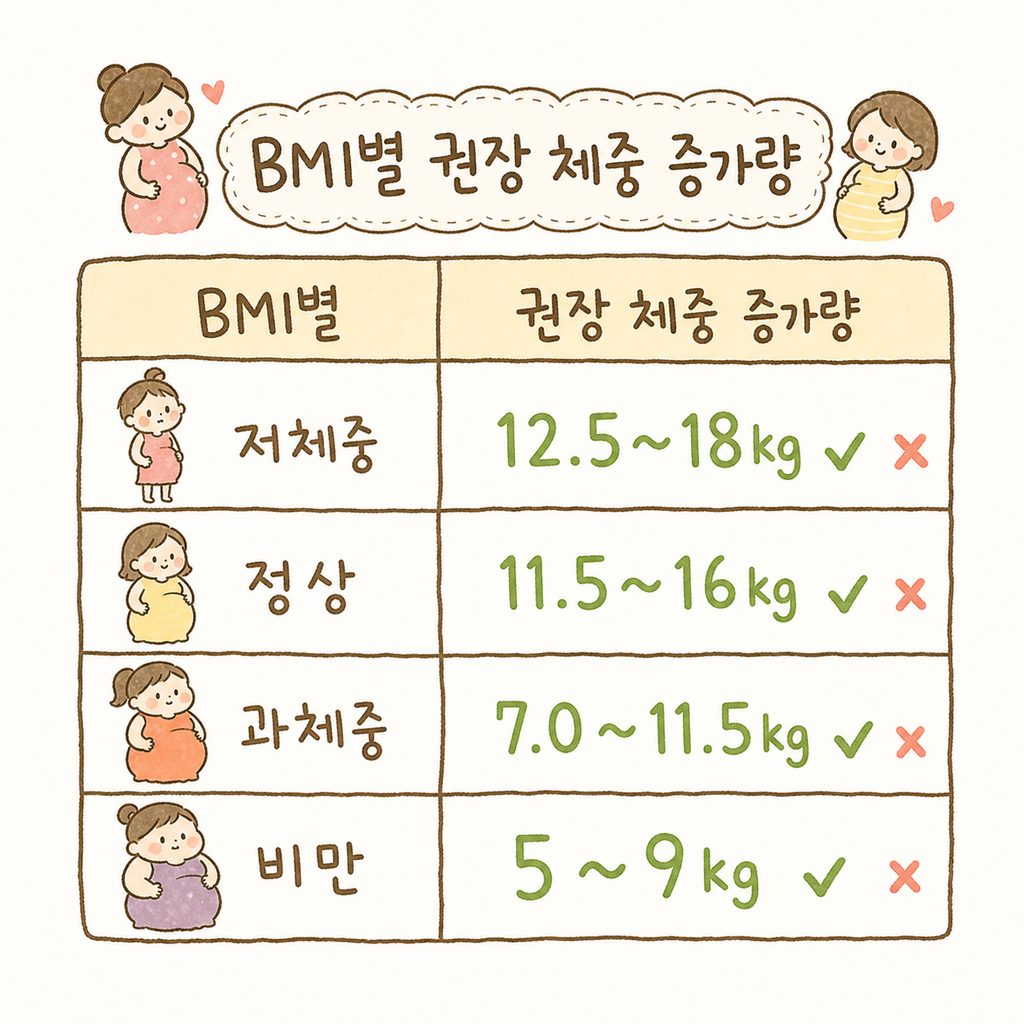
Underweight (BMI below 18.5): A gain of approximately 12.5–18 kg is recommended.
Normal weight (BMI 18.5–24.9): Approximately 11.5–16 kg is appropriate.
Overweight (BMI 25.0–29.9): Limiting gain to approximately 7.0–11.5 kg is advised.
Obese (BMI 30.0 or above): Managing within approximately 5–9 kg is recommended.
These numbers aren't absolute answers. Think of them as safe ranges that protect both mother and baby.
The Scientific Basis for Recommended Weight Management
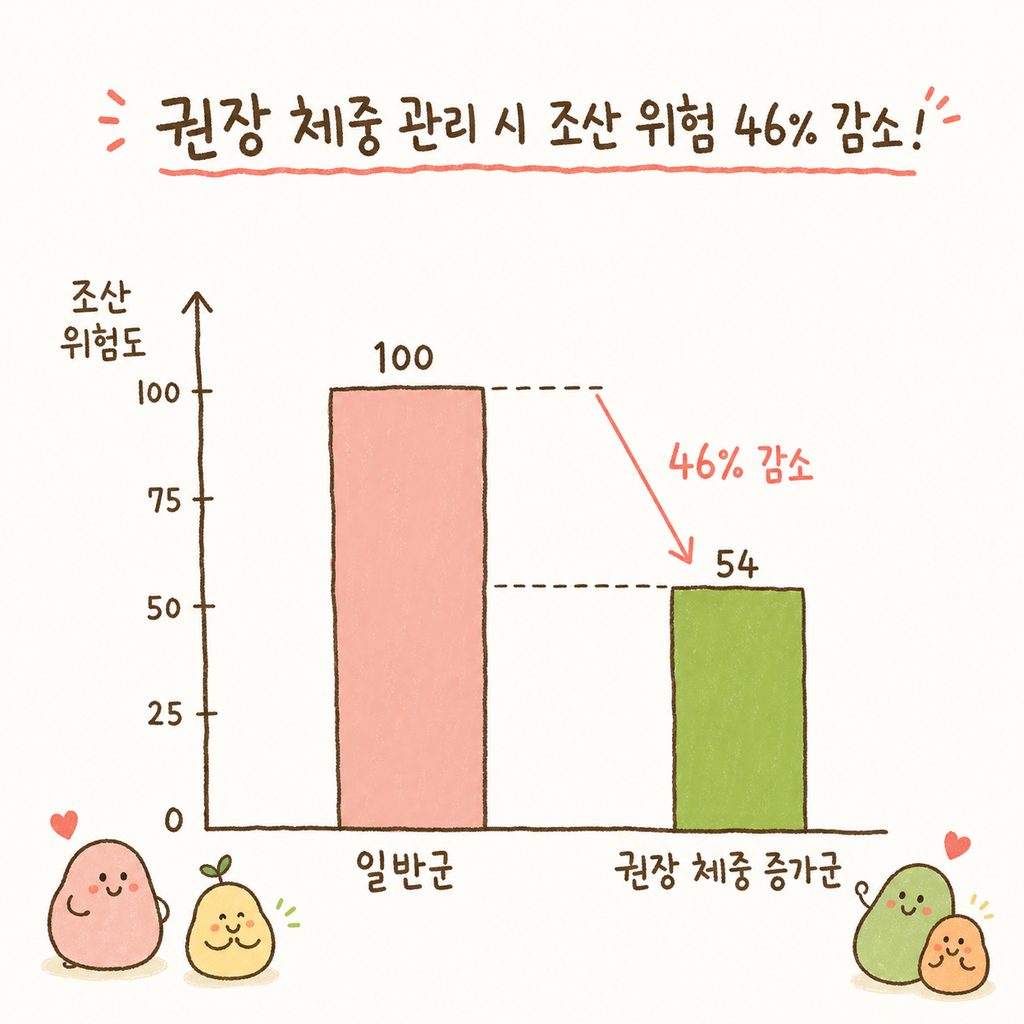
This isn't just about appearances—it's directly linked to actual health outcomes. One study found that the recommended weight gain group experienced a 46% reduction[1] in preterm birth risk. This shows how weight management supports carrying the pregnancy to term.
Gaining too much weight raises concerns on the neonatal side as well. The risk of macrosomia (LGA) with birth weight exceeding 4000g[2] increases, which places strain on both mother and baby during delivery. For women with pre-pregnancy BMI of 25 kg/m² or higher who have gestational diabetes, keeping weight gain below recommendations is particularly important.
Pregnancy Metabolism Management from a Traditional Korean Medicine Perspective
In Korean medicine, we prioritize "Qi and blood circulation" and "metabolism efficiency" over the numbers on the scale. During pregnancy, waste products tend to accumulate in the body—a state we call damsip (濕痰).
When metabolism becomes blocked, swelling worsens and weight can spike suddenly. That's why I advise patients to shift away from crash dieting and instead focus on supporting digestive function and reducing bodily swelling. The key is achieving body balance through diet and lifestyle habits suited to your constitution.
Management Points You Can Start Implementing Today
Here are some things you can begin right away.
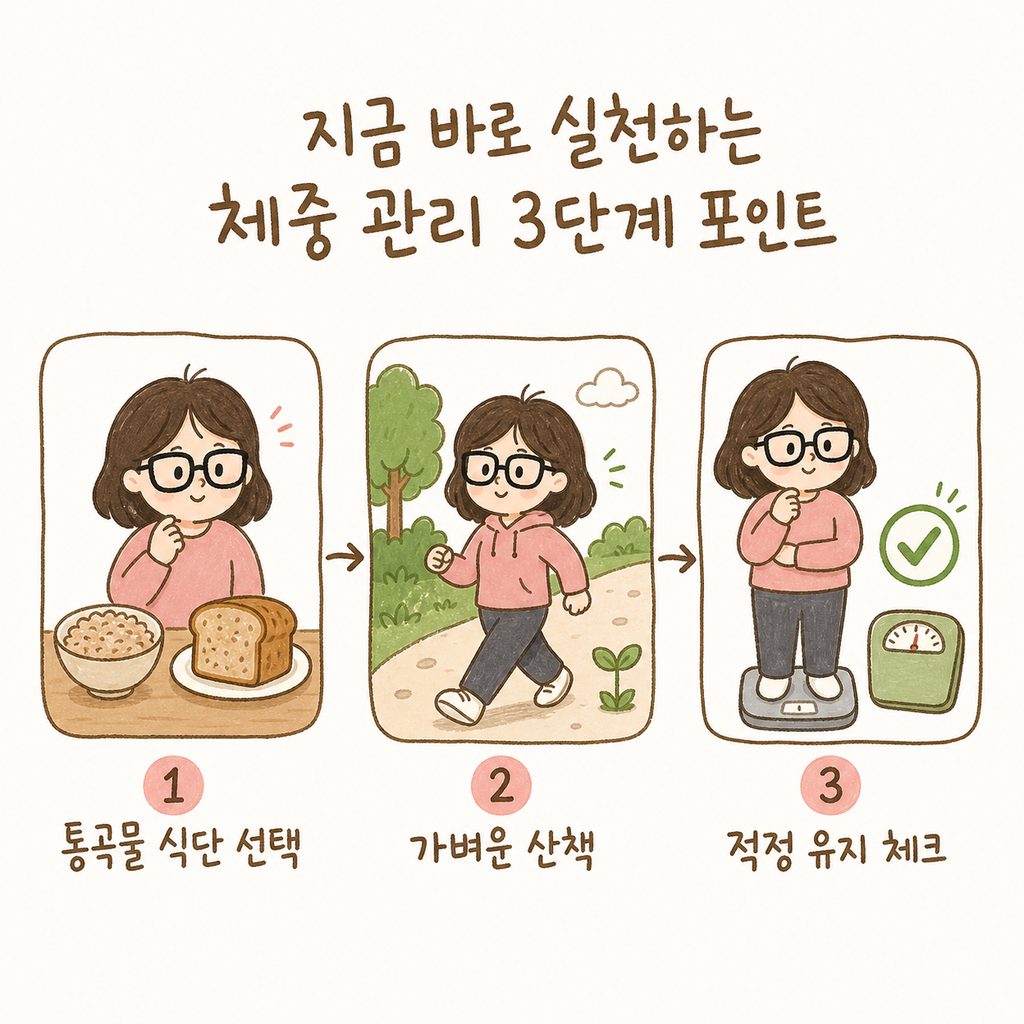
First, start reducing simple sugars from your diet. Opting for whole grains and fresh vegetables instead of refined carbohydrates is beneficial for both blood sugar control and weight management.
Second, incorporate light walks within your comfort range. Moderate movement supports fetal development and improves the mother's metabolism.
Third, if you were obese before pregnancy, management becomes even more critical. Research indicates that losing just 5–7% of pre-pregnancy weight improves outcomes for both mother and newborn. Of course, during pregnancy, the goal isn't rapid weight loss but rather "appropriate maintenance."
For a Healthy Delivery and Recovery
Weight management during pregnancy isn't about losing weight—it's about growing healthily alongside your baby. Becoming fixated on numbers and stressing out can actually be harmful to the fetus, so try to approach it with a more relaxed mindset.

Building healthy habits now will also help with postpartum recovery and returning to your pre-pregnancy weight. If managing alone feels overwhelming or you need constitutional support, consider trying the Baekrokdam Gambi-jung program. You can expect better outcomes in postpartum recovery and metabolism management. Be sure to let me know at your next visit which method felt most comfortable for you.
References
[1] Gestational weight gain charts for different body mass index groups for women in Europe, North America, and Oceania. (BMC medicine, 2018) — https://pubmed.ncbi.nlm.nih.gov/30396358/ [2] Association between first-trimester PAPP-A and large-for-gestational-age neonates in non-diabetic pregnancies: An exploratory cohort study. (European journal of obstetrics, gynecology, and reproductive biology, 2026) — https://pubmed.ncbi.nlm.nih.gov/42492475/
References