Pregnancy Weight Gain: BMI Standards and Guidelines

Table of Contents
Are you feeling anxious every morning when you step on the scale during pregnancy? Many moms-to-be worry that even a small gain might affect the baby, yet fear the baby isn't growing well if the weight doesn't increase.
Recommended Weight Gain Based on Pre-pregnancy BMI
The most frequent question I hear from pregnant patients in the consultation room is, "How many kilograms am I allowed to gain?" To give you the answer first, there is no single absolute figure. The recommended range varies depending on your pre-pregnancy Body Mass Index (BMI).
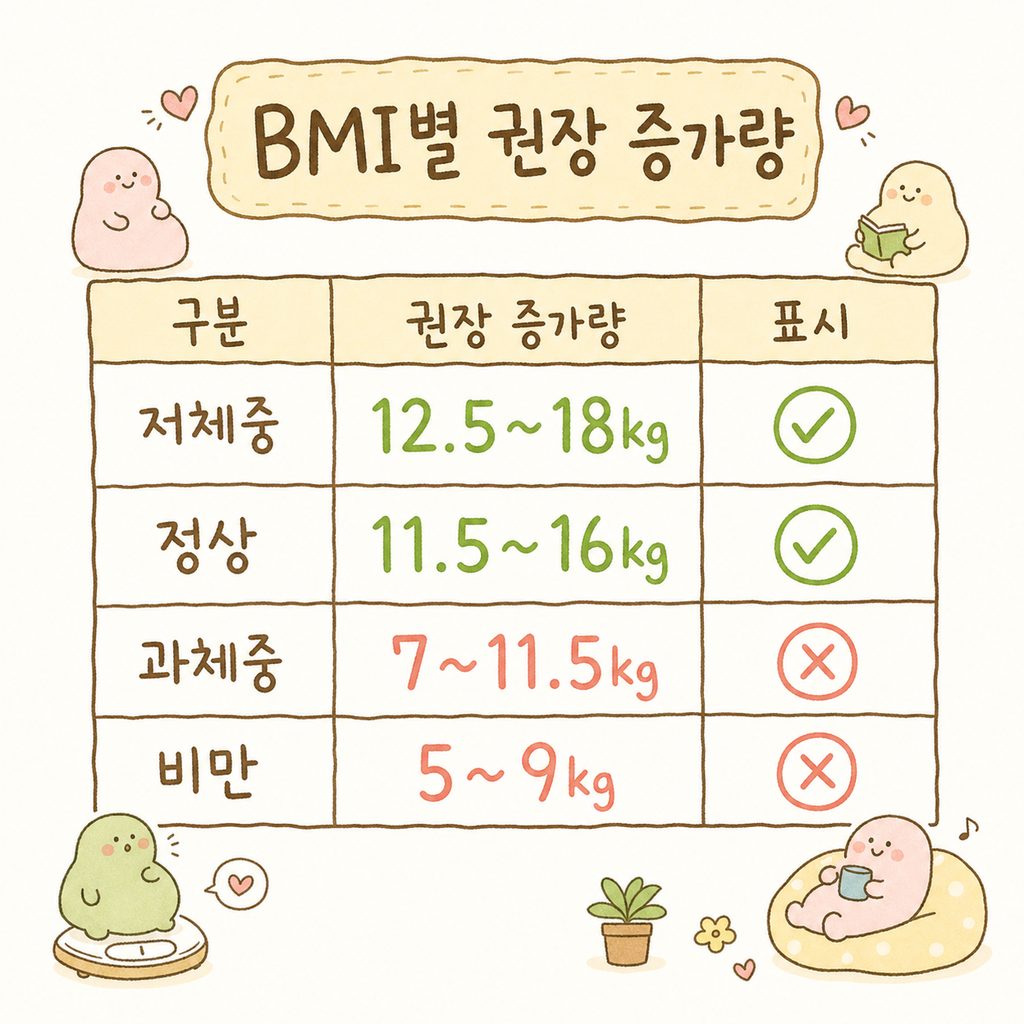
International guidelines from the IOM (Institute of Medicine) and data from domestic medical societies suggest the following for singleton pregnancies:
Underweight (BMI less than 18.5): A gain of 12.5–18kg is recommended.
Normal Weight (BMI 18.5–24.9): 11.5–16kg is considered appropriate.
Overweight (BMI 25.0–29.9): It is best to manage within the 7–11.5kg range.
Obese (BMI 30 or higher): A gain of 5–9kg is recommended.
However, some domestic resources, such as the Seoul Citizen Health Portal, recommend 10–12kg for those of normal weight (BMI 19.8–23), so standards may vary slightly by source. Ultimately, the most important thing is to set your own target by consulting with your OB-GYN based on your specific physical condition.
Weight Gain Speed and Precautions by Trimester
Weight does not increase at a constant rate; the speed changes during each period. Based on studies and guidelines for Korean pregnant women, here is the general flow.
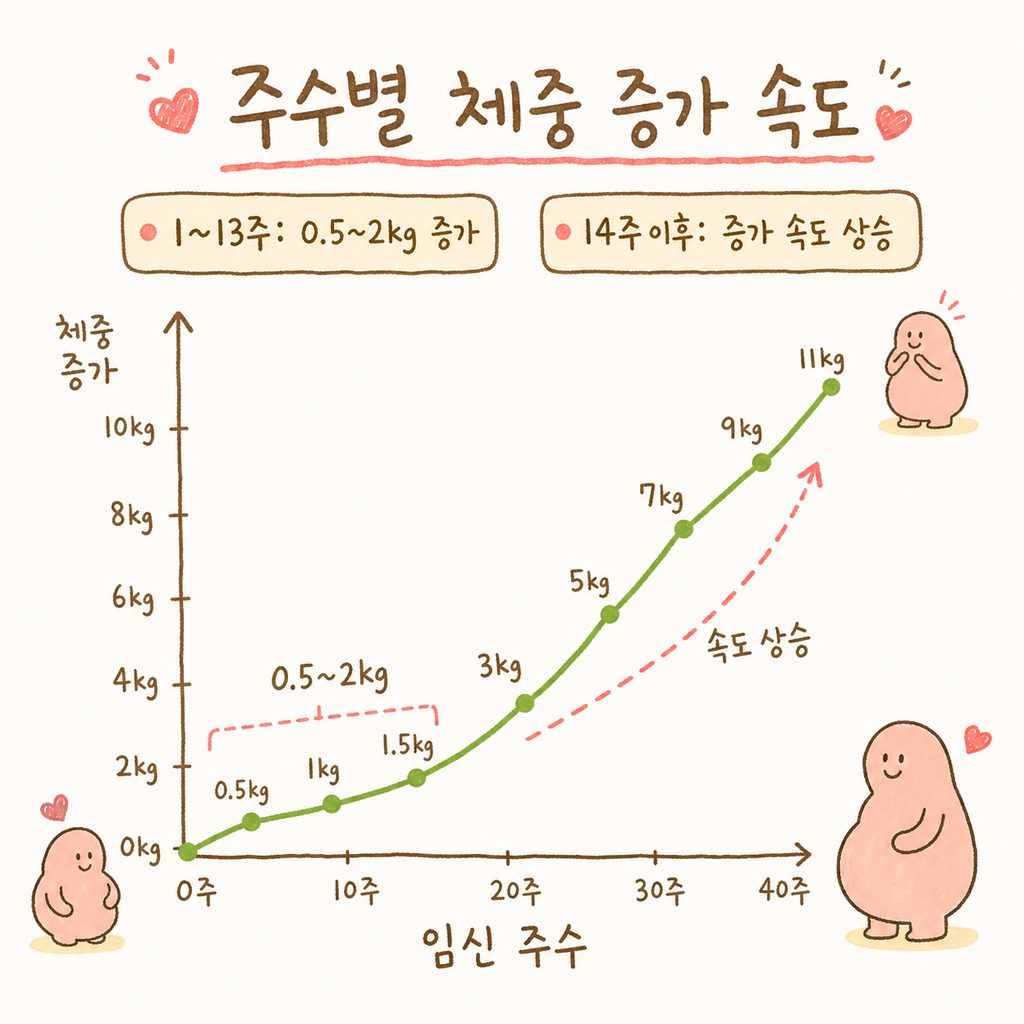
During the first trimester (weeks 1–13), weight typically increases by about 0.5–2kg. Many women may experience little to no gain or even temporary weight loss due to morning sickness, so try not to be too stressed. However, after 14 weeks, entering the second and third trimesters, the rate of gain accelerates significantly.
Caution is needed if weight increases too steeply during this period. Continuous high-fat diets or excessive calorie intake can easily lead to gestational hypertension or gestational diabetes. The probability of the baby becoming a macrosomia (weighing over 4kg) also increases, which can be a cause of difficult labor or increased risk for a C-section.
Pregnancy Weight Management from Baekrokdam Clinic's Perspective
In Korean medicine, we look more closely at metabolic balance and the flow of Qi and Blood rather than just the numbers on the scale. For pregnant women who gain weight excessively, it is often the case that metabolic capacity has decreased due to the accumulation of "Seup-dam" (metabolic waste/damp-phlegm) in the body.
Particularly for overweight or obese pregnant women, it is much more important to carefully monitor blood sugar, blood pressure, and overall nutritional status rather than strictly restricting the amount of gain. Reducing food intake excessively can lead to a lack of necessary nutrients for the baby.
I always tell my patients during consultations, "Don't get buried in the numbers." Checking whether you have severe edema or if your digestion is functioning well to find a management method that suits your constitution is the shortcut to a healthy birth.
Healthy Weight Management Points to Practice Starting Today
So, what can you do in your daily life? Here are some methods focused on 'maintaining health' rather than extreme dieting.
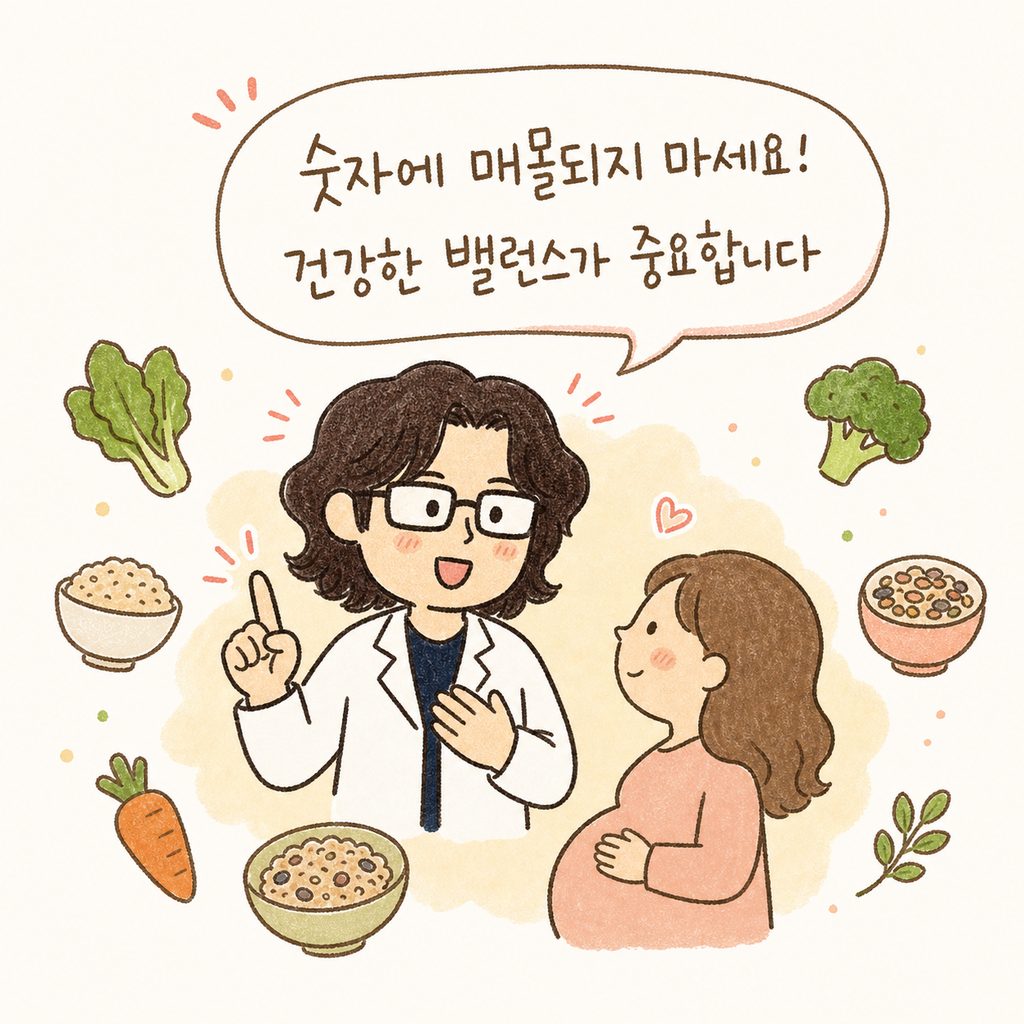
Try changing your eating pattern to 'small and frequent.' In addition to three meals a day, having 2–3 small snacks can help reduce blood sugar fluctuations. In particular, the habit of consuming many sugary drinks or fruit on an empty stomach can cause rapid weight gain, so it is best to avoid this.
Try organizing your diet like this:
Eat plenty of whole grains (brown rice, oats, barley, etc.) and vegetables.
For fruit, 1–2 servings a day is sufficient for vitamins.
Choose lean proteins over high-fat foods like fried foods or red meat.
Keep your body moving moderately. Engaging in aerobic exercises such as walking, light yoga, or swimming for more than 30 minutes a day is known to be good for both weight control and condition recovery.
Weight management during pregnancy is a preparation process for the health of both mother and baby. Rather than suffering from obsession, I hope you accept the changes in your body and manage them slowly.
If you feel overwhelmed managing alone or are concerned because your metabolism feels stagnant due to your constitution, the Baekrok Gambi-jung program can be an option. This is a process of finding a healthy balance rather than forced weight loss, so please feel free to tell me how you feel during your consultation.
References