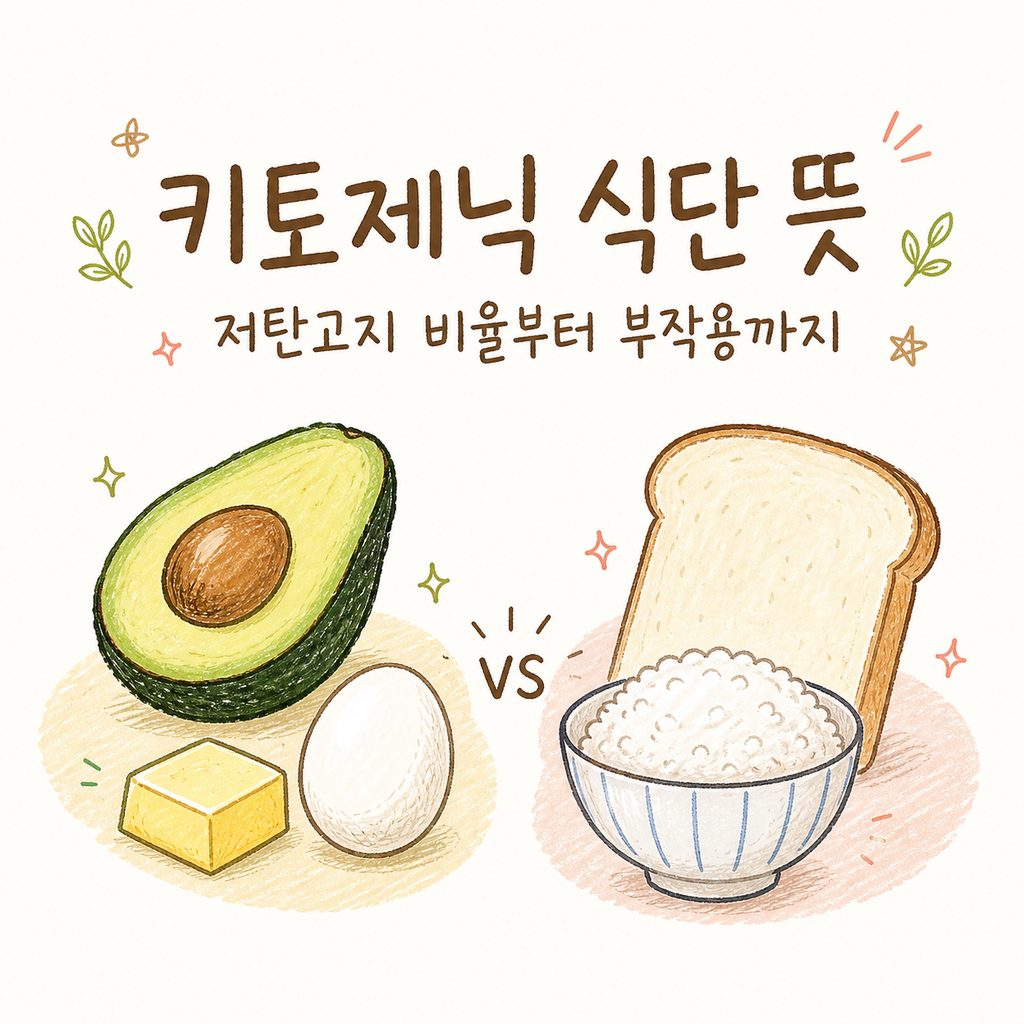
What Ketogenic Diet Means — From Low-Carb High-Fat Ratio to Ketone Bodies and Side Effects

Table of Contents
Meaning of Ketogenic Diet — From Low-Carb High-Fat Ratios to Ketone Bodies and Side Effects
When meeting patients in the clinic, one of the questions I hear most often is about diet. Especially these days, since there is so much information on the internet, quite a few people cautiously ask, "Doctor, I heard low-carb high-fat is good; should I try a ketogenic diet too?" In truth, everyone shares the same desire to lose weight quickly. However, as an oriental medicine doctor, it is heartbreaking to see cases where people follow a trendy diet blindly, only to come back feeling their bodies have become even heavier.
What is a Ketogenic Diet?
First, let me clarify the exact concept. The Ketogenic diet is also called a 'ketone diet' in our language. In Korea, it is more commonly known by the name Low-Carb High-Fat (LCHF). Literally, it refers to a dietary therapy where carbohydrate intake is drastically reduced and fat intake is increased instead.
![A simple flow chart showing the process of energy source change. Arrows connecting in the order of [Decrease in carbohydrate intake] → [Fat breakdown in the liver] → [Production of ketone bodies] → [Entering state of ketosis].](/api/files/assets/2026-08/e0d335de.jpg?sig=bdfc148a0581ab5e678042552d9ce3b293e93f7ef51c874cc3b8766a0d95c3ac)
Our bodies usually use glucose obtained from carbohydrates, such as grains or fruits, as an energy source. However, when we eat very few carbohydrates, the body becomes flustered. At this time, the liver breaks down fat to create a new energy source called ketone bodies, and the state in which our body uses fat as the main fuel instead of glucose is called 'ketosis.' It is named ketogenic because it is a diet that induces this state.
It was originally a diet started for therapeutic purposes
Many people think of ketogenic as a latest diet trend, but the roots of this diet are actually in the medical field. Originally, it was a therapeutic dietary therapy designed for patients with neurological diseases that are difficult to treat with medication, such as pediatric epilepsy. Carbohydrates and proteins were restricted and high amounts of fat were fed to alleviate the symptoms of specific diseases.
Of course, it was meaningful for therapeutic purposes, but as it moved into the realm of weight loss for the general public, its nature changed slightly. Low-carbohydrate diets such as the Paleo diet or Atkins diet fall into this category, but it is a completely different story for a general person to apply a therapeutic diet as-is simply to lose weight.
Core Rules and Ratios of the Ketogenic Diet
Then, how are the nutritional components structured in an actual ketogenic diet? I will summarize the general standards for you.
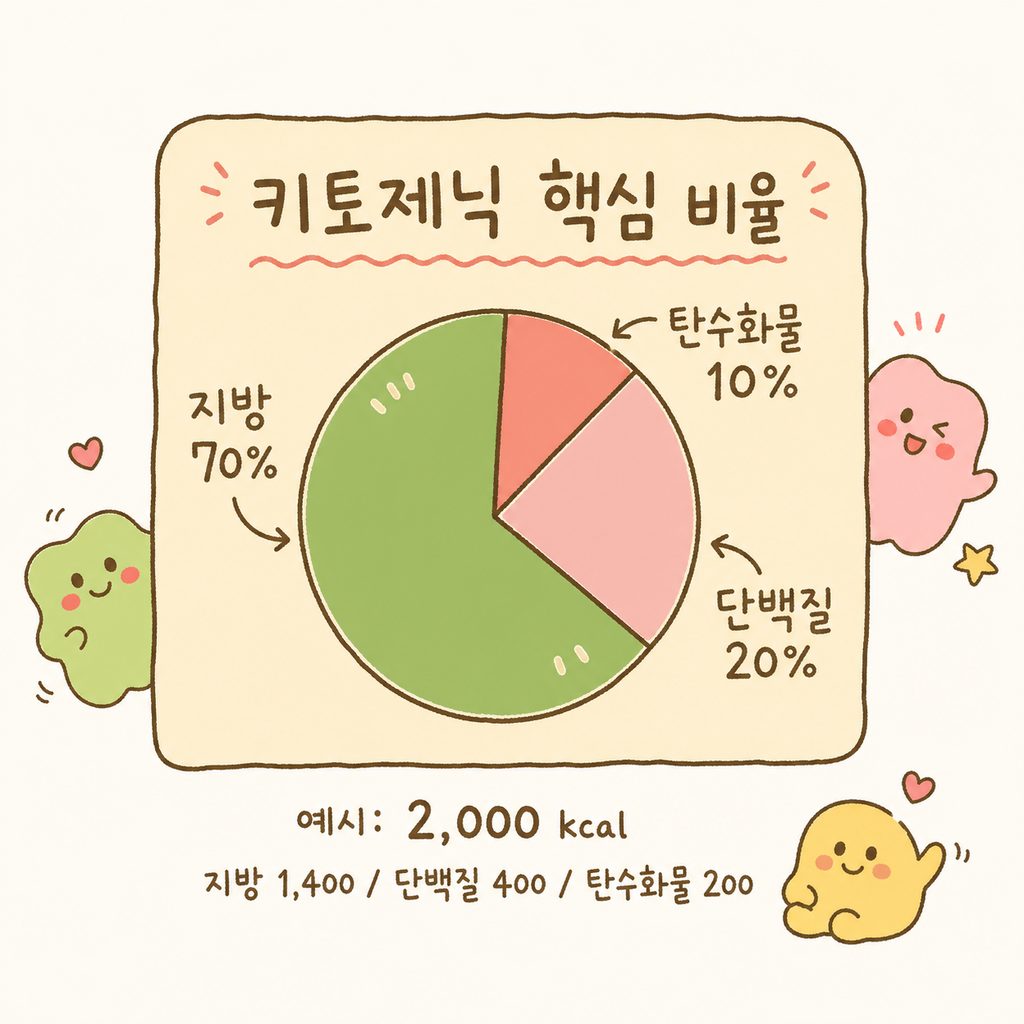
Carbohydrates: Strictly limited to 10% or less of total calories.
Protein: Intake of about 20% of the total.
Fat: A method of filling the remaining 70% with fat.
Only when carbohydrates are lowered this drastically does the mechanism of breaking down fat in the liver to create ketone bodies become active. Since you must control not only grains like bread, rice, and noodles, but even fruits or vegetables with high sugar content, it is a diet that is much more difficult to maintain than one might think.
Parts We Commonly Misunderstand
The point that people I meet in the clinic misunderstand the most is believing that "if you eat a lot of fat, you will unconditionally lose weight healthily." However, the ketogenic diet is not the right answer for everyone. Some companies advertise it as a health food, but in reality, there are many cases where it is not helpful at all for most patients, such as diabetes or cancer patients.
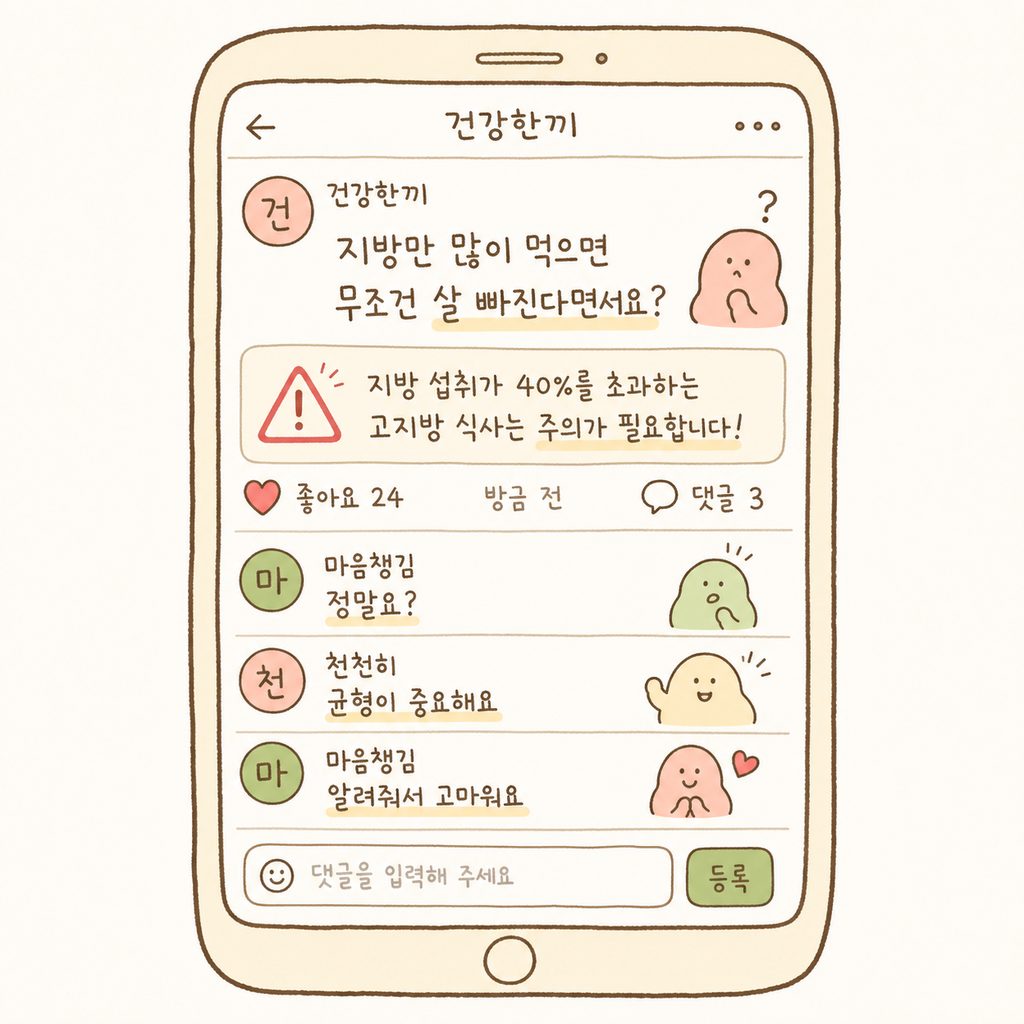
Also, eating fat unconditionally in large amounts is not necessarily good. According to one source, it is mentioned that caution should be exercised with high-fat meals where fat intake exceeds 40% of total calorie intake. If you blindly increase fat intake without considering your own metabolic capacity and constitution, it can instead put a strain on your vascular health or liver function.
Is it really effective from a diet perspective?
To give you the conclusion first, it can be effective in reducing the number on the scale in the short term. However, this is slightly different from losing weight healthily. Because restricting carbohydrates extremely naturally lowers the total calorie intake itself, there is a tendency for weight to decrease temporarily.
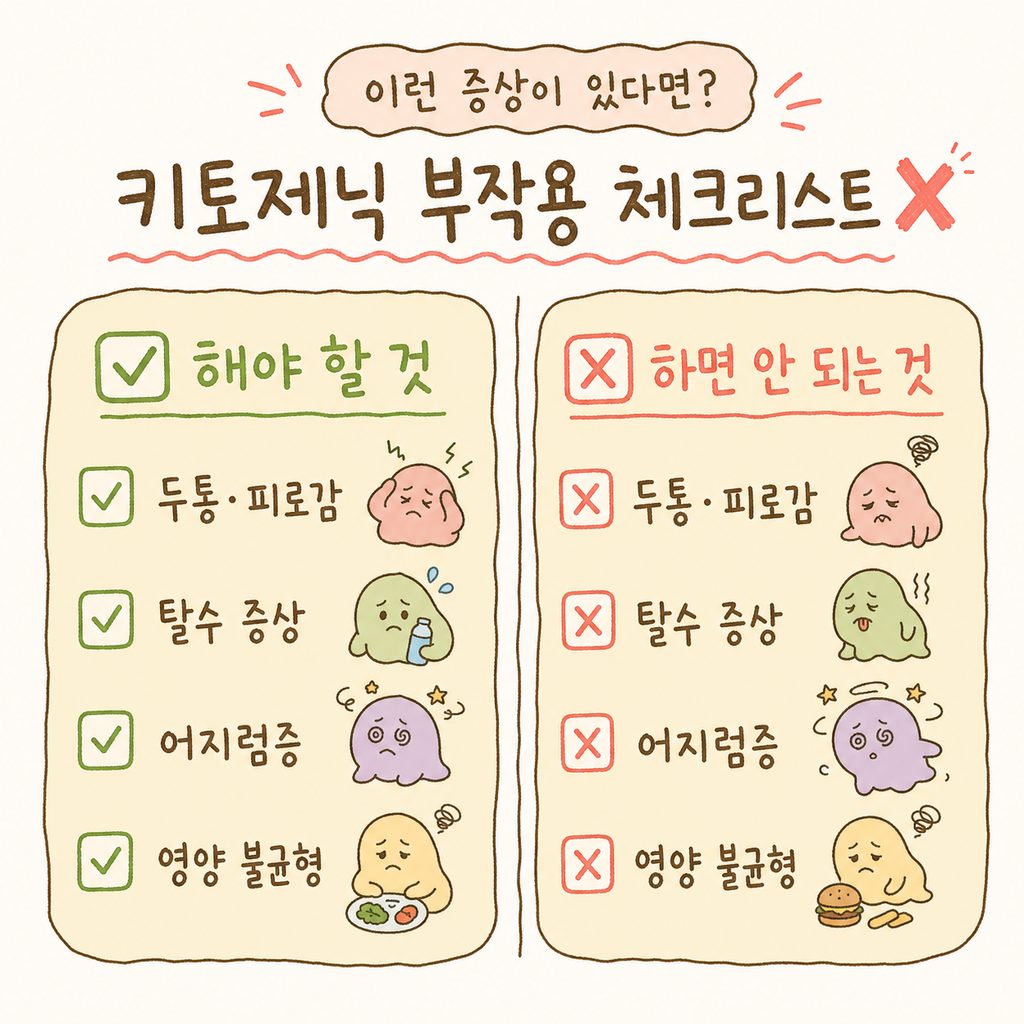
The problem is the side effects that appear as you maintain this diet. If a general person continues this for a long time, blood ketone bodies rise due to excessive oxidation of fat, and the following symptoms may appear:
Persistent headache and fatigue
Dehydration symptoms where moisture leaves the body
Sudden dizziness
Nutritional imbalance due to deficiency of essential nutrients
In the end, if your health worsens due to nutritional imbalance, there is a high probability that the moment you stop the diet, your weight will rapidly bounce back — leading you straight to the yo-yo effect.
Points to remember for healthy weight loss
I also often think about diets between consultations. But the most important things are 'sustainability' and 'whether it suits my body.' Rather than blindly following a trending ratio, you should first examine how your body processes carbohydrates and what your fat metabolism capacity is.

Extreme restrictive diets put your body in an emergency state. Our bodies have a strong survival instinct — when nutrients coming in are too scarce, they have a tendency to store them more aggressively later on. Therefore, rather than forcing yourself to starve or excluding certain nutrients entirely, it is much wiser to approach it by improving metabolic efficiency according to your constitution.
If dietary management feels too difficult, or if you have experienced fatigue and dizziness while trying to manage it on your own, consider consulting a professional. Depending on whether your constitution tends toward dampness accumulation or insufficient energy, the appropriate ratio of carbohydrates to fats varies completely.
With the Baekrokdam Gambi-jeong program, you can balance your body's metabolic harmony and expect much more effective results. Rather than exhausting your body with an extreme diet, I recommend finding a healthy weight-loss method that suits your constitution. Try it next time, and feel free to let me know how your body changed during your next consultation.
References