Pilates for Weight Management: Core Stability, Metabolism & Routine

Table of Contents
"Doctor, can I really lose weight with Pilates alone?"

This is a question I hear very frequently during diet consultations in the clinic. Many of you have heard that Pilates can help shape your body line beautifully, but you're curious about how directly it actually helps with weight reduction.
The Science Behind Pilates and Weight Management
The most common characteristic among people seeking weight management is actually insufficient physical activity. According to the World Health Organization (WHO), only 31% of adults worldwide engage in adequate physical activity. When movement itself is limited, metabolism slows down, creating an environment where weight gain becomes easy.

From this perspective, Pilates becomes an excellent alternative. Developed by Joseph Pilates in 1920, Pilates is a mind-body exercise focused on muscle strength, core stability, flexibility, muscle control, posture, and breathing. Beyond simply working up a sweat, it develops the body's ability to regulate itself, making it an ideal starting point for those without an exercise habit to naturally increase their physical activity level.
Metabolic Health Benefits Observed Over 8 Weeks
You may be wondering how Pilates actually affects weight and metabolism. One study conducted an experiment with 40 overweight or obese women with a BMI of 23 kg/m² or higher.
Among them, the experimental group participated in a Pilates program for 8 weeks, and significant changes were observed. In particular, when they performed full-body routines at a moderately challenging intensity for about 1 hour, 3 times per week, their metabolic health showed improvement. This included better blood sugar regulation and positive changes in blood lipid levels.
Improving metabolic efficiency is more important than simply reducing the number on the scale. Pilates strengthens deep muscles to support basal metabolism and improves bodily circulation, creating a body condition conducive to successful weight management.
Realistic Weight Loss Based on Exercise Intensity
Of course, you may feel that Pilates alone falls short of achieving dramatic weight changes. For example, high-intensity aerobic exercises like idol dance rehearsals lasting 3-5 hours or more daily can burn 400-600 kcal per hour, rapidly reducing body fat.
![Chart comparing calorie consumption by exercise intensity: [High-intensity dance: 400-600 kcal] vs [Pilates: Core strengthening and posture correction focused]](/api/files/assets/2026-08/38854c12.jpg?sig=616021fc4ae08f179dd2e98d4429fa3939ad0281d9230d0b25ee12109ef41404)
But none of us can dance for several hours every day, right? That's why sustainable routines matter. It's more realistic to manage your fitness by doing Pilates consistently 3-4 times per week like BLACKPINK's Jisoo, or maintaining muscle strength with once-weekly advanced movements like Shin Bong-seon.
While Pilates may be slower than aerobic exercise at burning body fat, it stabilizes core strength to create a slimmer physique and builds the stamina needed to perform other high-intensity exercises.
Pilates and Circulation from a Traditional Korean Medicine Perspective
In Korean medicine, weight management is not viewed simply as "eating less and moving more." The approach considers it from a circulatory perspective: how well waste products accumulated in the body, known as phlegm-fluid (담음) and blood stasis (어혈), are eliminated.
From a Korean medicine standpoint, the core Pilates elements of "breathing" and "stretching" are similar to practices that promote qi and blood circulation. When stiff muscles relax and core strength develops, stagnant energy begins to flow, reducing swelling and creating an environment where metabolic waste is better eliminated.
In particular, exercises that strengthen the abdominal core activate organ function and aid digestion, absorption, and elimination processes. I especially recommend these for individuals whose bodies tend to swell easily or feel heavy.
Tips for Practicing Pilates That Fits You
Let me share the guidance I give patients in the clinic for those starting Pilates.
![Checklist for Pilates practice with three items checked: [Choose type based on purpose], [Start with frequency focus], [Combine with diet]](/api/files/assets/2026-08/3540d597.jpg?sig=ae3b62b1c2a031939df782943fdf619aececb347e33350f6c9ab06408b7be4c8)

Choose the type based on your purpose. Options range from mat Pilates that uses only your body weight, to equipment Pilates utilizing spring resistance, and exercises using barrels and similar tools.
Choose between classic (following a set format) and modern Pilates (correcting individual body issues) based on which approach fits your current condition.
Focus on frequency rather than intensity. Rather than pushing too hard from the start, beginning with 2-3 times per week allows your body to become accustomed to movement.
Don't forget to combine with your diet. Once Pilates has laid the foundation for your metabolism, proper nutritional intake must be added to actually accelerate body fat reduction.
Some of you may feel soreness after starting exercise, or perhaps you're so low on energy that even exercising feels difficult. In such cases, rather than simply enduring it, I recommend first having your body constitution and current metabolic status evaluated.
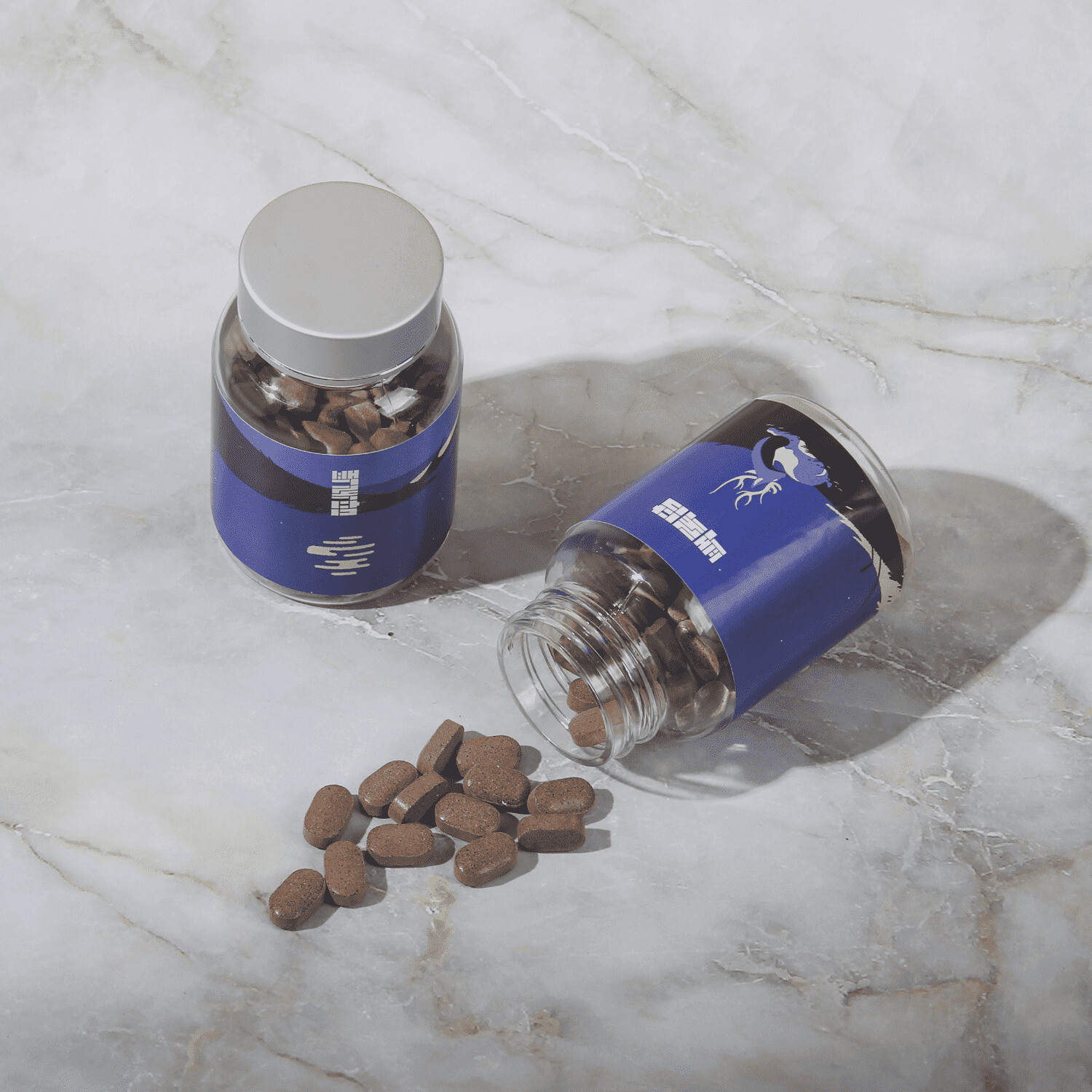
If you establish your body's center with Pilates and boost your metabolism with the Baekrokdam Gambi-hwan program, you can expect even healthier and more satisfying results. Start with light stretching today, and feel free to tell me about any bodily changes you experience during your next consultation.
References