
Hanmi Pharma Obesity Drug: GLP-1, Weight Loss & Metabolism

Table of Contents
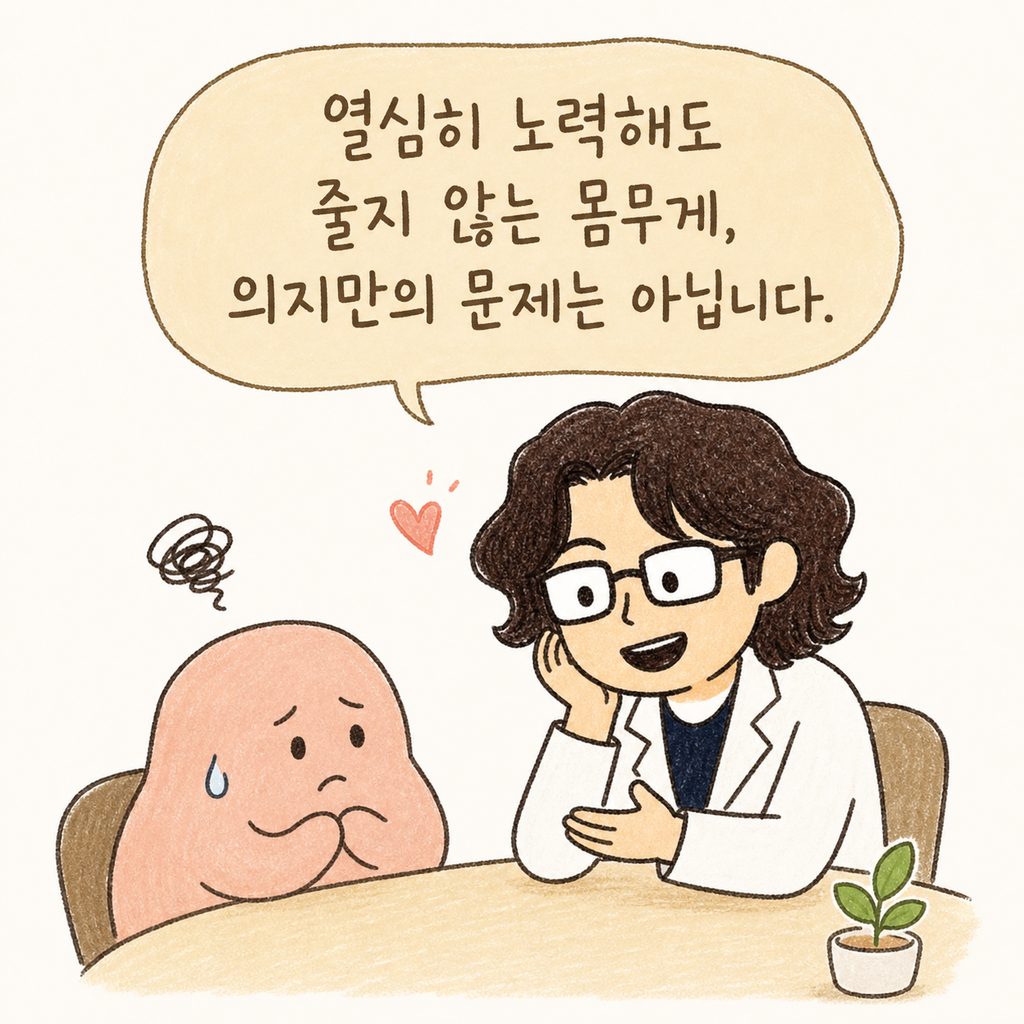
Many feel frustrated when weight doesn't budge despite dietary adjustments and exercise. In the clinic, I often hear "Is there really no way, doctor?" As I listen to these concerns between consultations, I realize obesity isn't simply a matter of willpower—it's a complex issue with multiple intertwined causes.
Why Obesity Is More Than Just Weight Gain
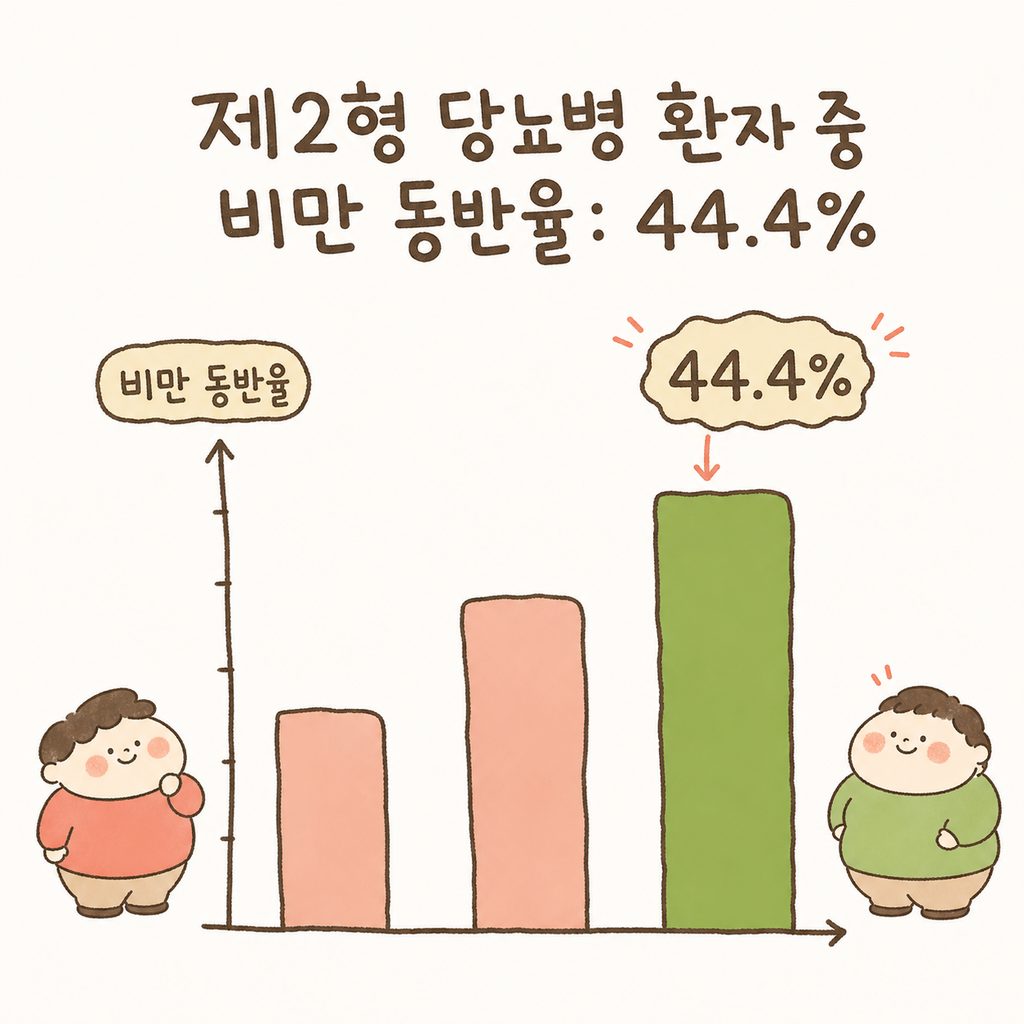
Obesity isn't merely a cosmetic issue—it's a signal that your body's metabolism system has become impaired. In Korea, obesity is defined as a BMI of 25 kg/m² or higher, affecting 30.8% of the adult population. That's truly a common condition. It's also noteworthy that 44.4% of type 2 diabetes patients have comorbid obesity.
The dangers of obesity don't end there. Beyond hypertension and cardiovascular disease, it also increases the risk of sleep apnea syndrome, degenerative joint disease, and even breast and colon cancer. While non-pharmacological treatments like dietary correction and increased exercise are typically recommended first, medication may need to be combined in cases of severe obesity or serious comorbid conditions.
Current Status of Domestic Obesity Drug Development
You've probably been hearing a lot lately about the GLP-1 based domestic obesity treatment developed by Hanmi Pharmaceutical. The protagonist is "Hanmi Efraglenatide Auto-Injector (generic name: Efglenatide)." Phase 3 clinical trial results have been quite specifically announced, involving 448 adult obese patients without diabetes.
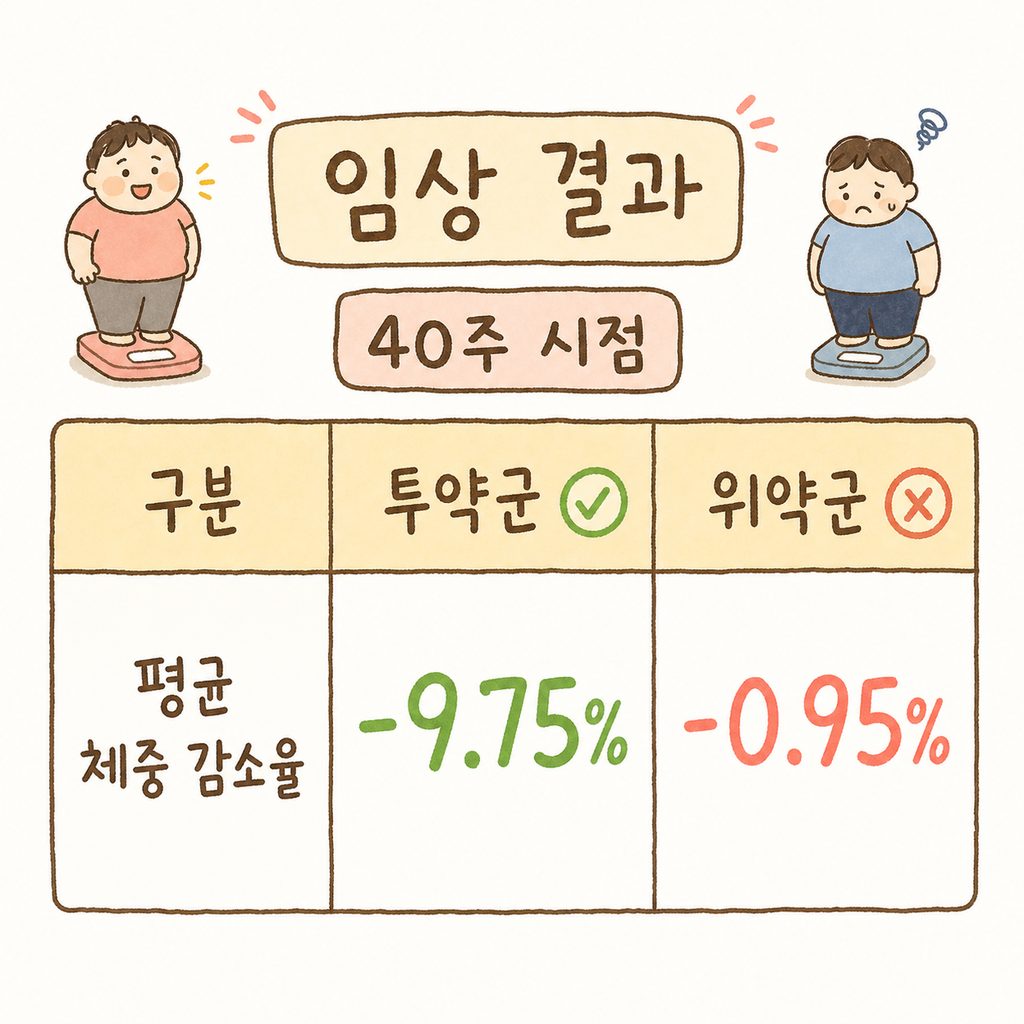
At the 40-week mark, the average weight loss was 9.75%. This is a striking difference compared to the placebo group's -0.95%. An impressive 79.4% of participants achieved at least 5% weight loss, with some cases reaching up to 30% reduction. Additionally, the triple agonist 'HM15275,' which acts on all three receptors—GLP-1, GIP, and glucagon—is currently in Phase 2 clinical trials, targeting severe obesity, dyslipidemia, and type 2 diabetes.
Obesity's Real Impact on Overall Health
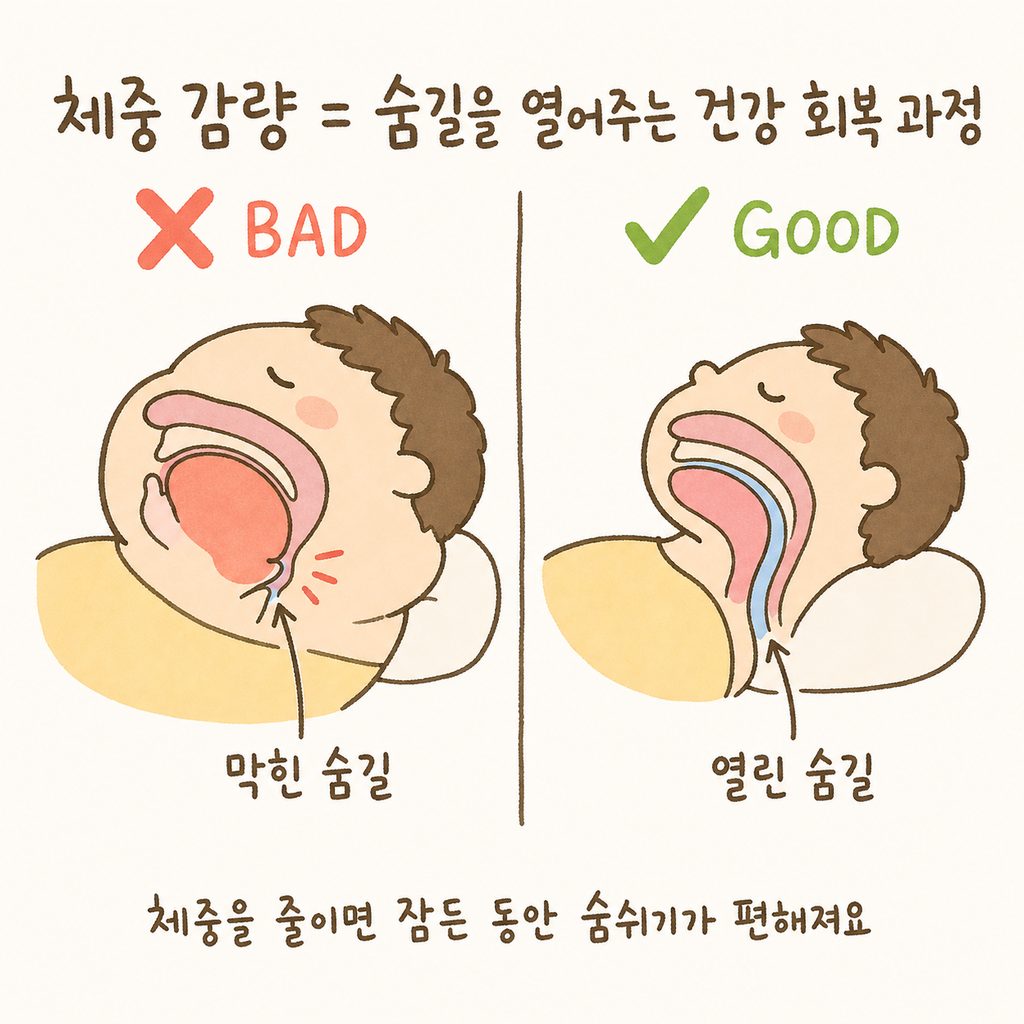
Obesity doesn't just affect appearance—it directly impacts respiratory health as well. Research shows that obesity is significantly associated with severe uvula obstruction, reaching rates of 38.9%[1]. This means a much higher likelihood of snoring or sleep apnea during the night.
Many who still feel unrested despite sleeping and suffer from excessive daytime sleepiness are experiencing these structural changes. So weight loss isn't about reducing the number on the scale—it's a process of regaining health by opening your airways and reducing cardiovascular strain.
Baekrokdam Korean Medicine Clinic's Perspective on Obesity and Metabolism
In Korean medicine, obesity isn't viewed solely as a result of overeating. We first examine constitutional causes such as 'damsip' (dampness accumulation where metabolism slows and waste products build up) and 'gihi' (qi deficiency where energy isn't properly burned).

While Western medications quickly reduce weight through appetite suppression or hormone regulation, Korean medicine treatment focuses on restoring metabolism function by balancing the entire body. Rapid weight loss inappropriate for your constitution can easily lead to muscle loss or decreased basal metabolism, causing the yo-yo effect. That's why I advise patients to first understand their own constitution and find an approach that suits them.
Practical Points You Can Start Today
Whether it's pharmaceutical or Korean medicine treatment, the key ultimately is 'sustainable habits.' Try these starting today:

Reduce refined carbohydrates: Instead of white rice or flour, try gradually switching to multigrain rice or whole wheat bread.
Check your sleep environment: If breathing difficulties like the uvula obstruction mentioned earlier are an issue, sleeping on your side can help for now.
Start with light walking: Sudden high-intensity exercise strains joints, so begin with 30 minutes of flat-ground walking daily.
Consult with an expert: Accurately knowing your BMI and comorbid conditions, and determining a weight loss approach that's right for you, is crucial.
Instead of starving yourself or relying on unverified supplements, what you need is a mindful approach that carefully attends to your body's signals.
Weight loss is a process of caring for yourself with patience. When you feel impatient, take a moment to breathe and reflect on what your body truly needs. With the Baekrokdam Gambi-jung and Baekrok Gambi-hwan program, you can expect better results through systematic, constitution-appropriate management. Try it and let me know how it goes during your next visit. I'm always rooting for you.
References
[1] Drug-Induced Sleep Endoscopy in Children Predicts OSA Severity. (World journal of otorhinolaryngology - head and neck surgery, 2026) — https://pubmed.ncbi.nlm.nih.gov/42500102/
Additional Resources