How Men Can Lose Belly Fat — Visceral Fat, Protein & Strength Training

Table of Contents
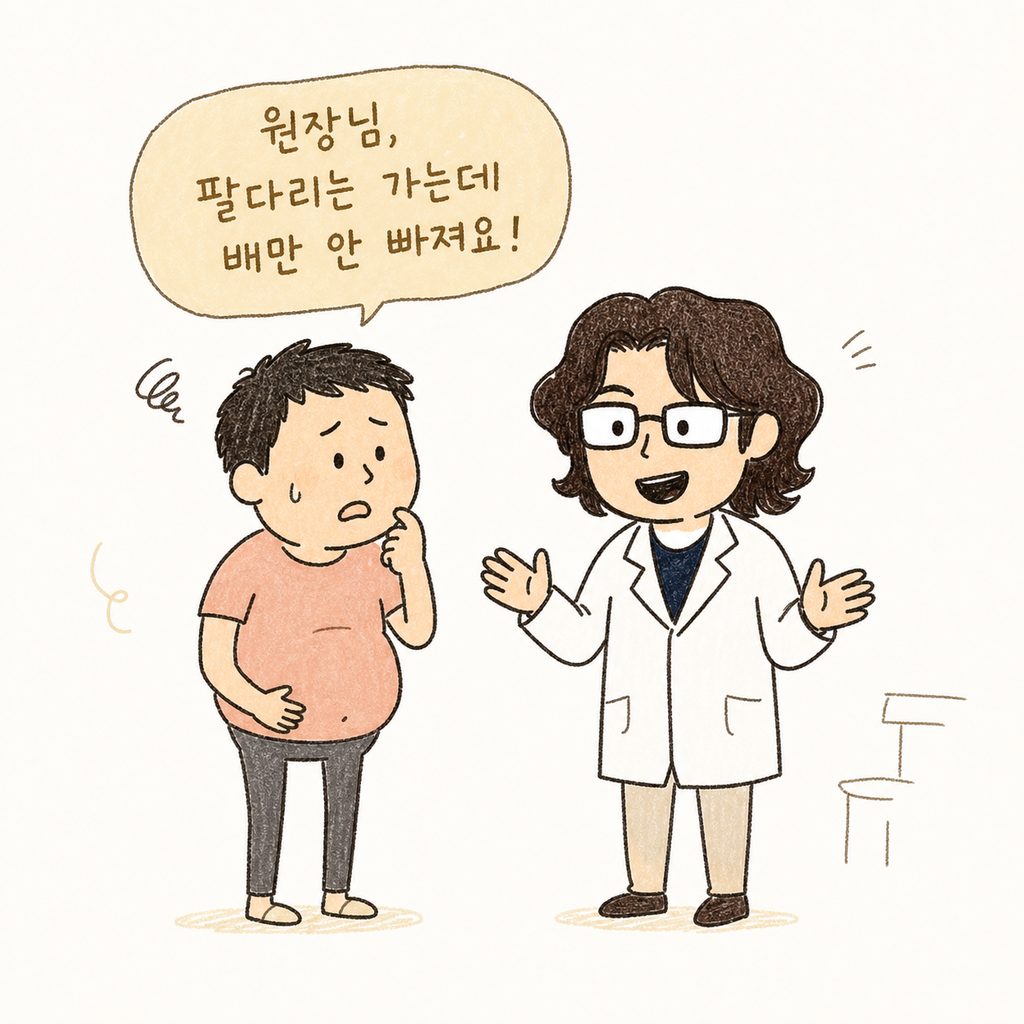
Many men struggle with stubborn belly fat despite exercising and controlling their diet. In the clinic, I frequently hear patients say, 'Doctor, my limbs are getting thinner but my belly stays the same.' I understand this frustration well.
Why Firm Belly Fat Is More Dangerous
First, you need to check the condition of your belly. If your belly fat feels hard and distended when you touch it, there's a high possibility that visceral fat has accumulated significantly.
According to family medicine specialists, male obesity primarily manifests as abdominal obesity. In particular, if obesity begins during adolescence, there's a high likelihood of progressing to visceral obesity. As fat builds up between the liver and intestines and around organs, it increases pressure, causing the belly to become distended and fail to flatten even when lying down.
For reference, belly fat follows a specific order when losing weight: the belly gradually softens before its size actually decreases. If your belly remains consistently firm, your visceral fat levels may be dangerously high, so you should be cautious.
The Current State of Male Abdominal Obesity by the Numbers
Looking at actual statistics, the rate of abdominal obesity among Korean adult men is quite high. According to research using Korea National Health and Nutrition Examination Survey data (2016–2020), the overall obesity prevalence rate for adults aged 19 and over in Korea was 34.4% as of 2019.
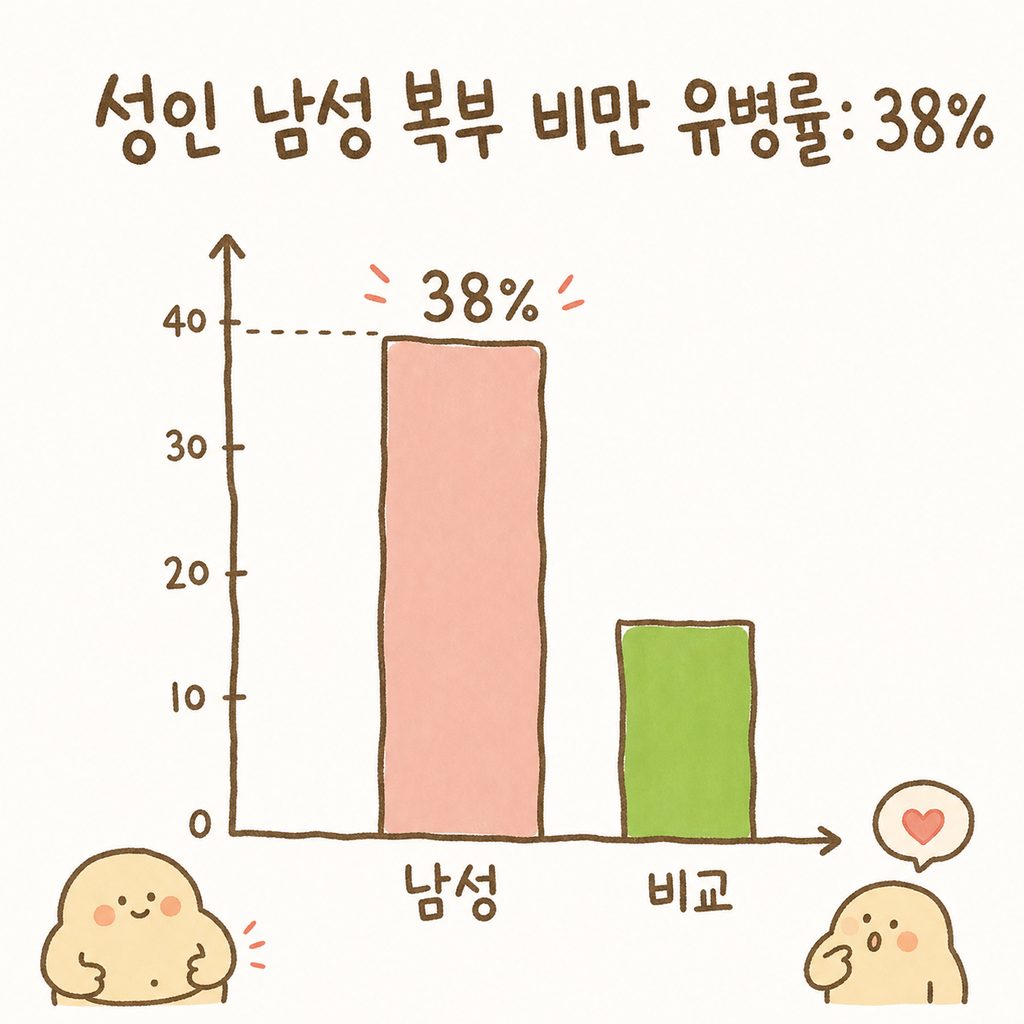
What stands out is the prevalence rate based on abdominal obesity criteria. For men, it reached 38%. Among abdominal obesity patients, men accounted for 58%. Additionally, the rate of increase in obesity with BMI ≥25 kg/m² is steeper than the OECD and other Asian country averages, making management an urgent priority.
Characteristics of Visceral Fat from a Traditional Korean Medicine Perspective
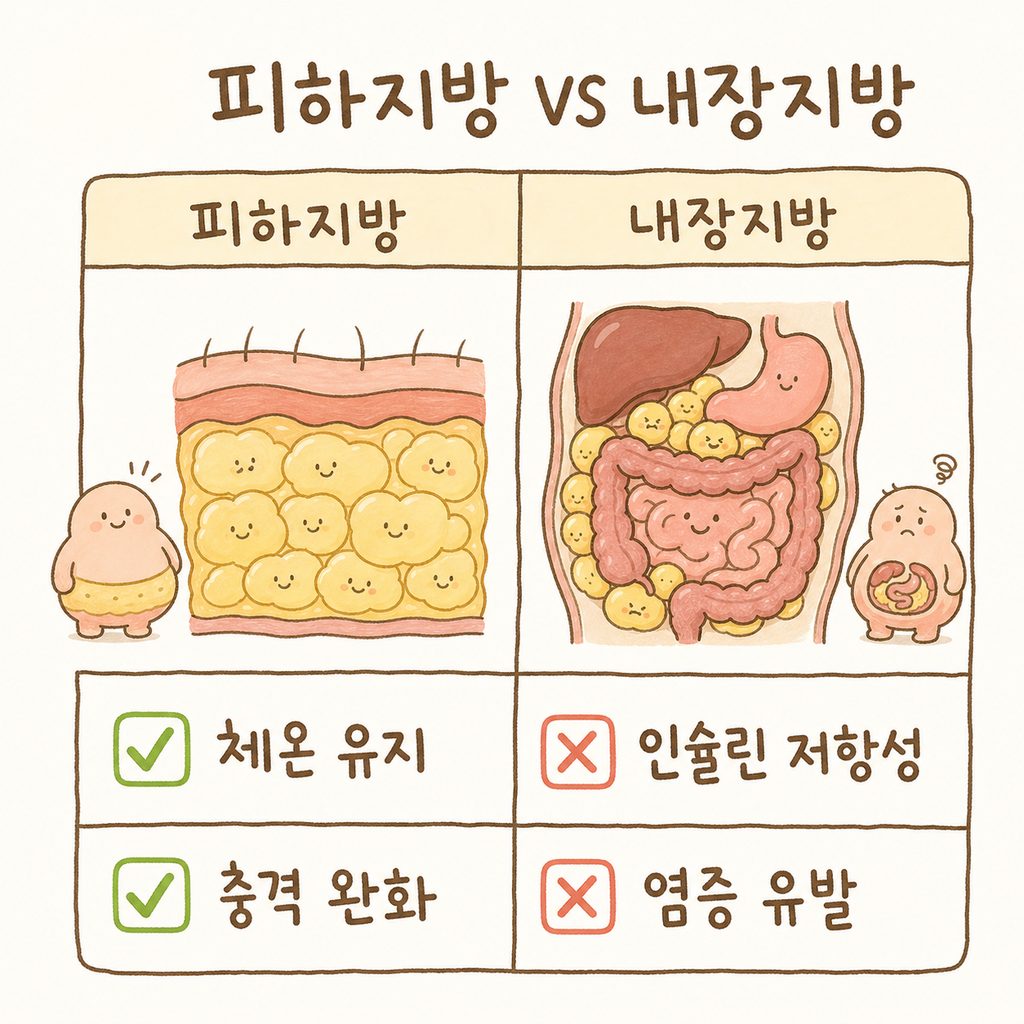
In Korean medicine, belly fat is not simply viewed as 'gaining weight.' It is considered a result of metabolic byproducts not being properly processed in the body. The fat in our bodies is broadly divided into subcutaneous fat and visceral fat.
Subcutaneous fat, located just beneath the skin, plays a role in maintaining body temperature and cushioning against external impacts. The problem lies with visceral fat that accumulates around organs. It reduces blood sugar regulation capacity, increases insulin resistance, and even secretes inflammatory substances, directly damaging health.
Many people search for exercises that specifically target belly fat, but spot reduction for a particular area is scientifically nearly impossible. You need to improve overall metabolism and shed body fat for belly fat to finally decrease.
Actionable Steps You Can Start Today
So how can you effectively manage belly fat? Here are three practical methods I recommend in my clinic.
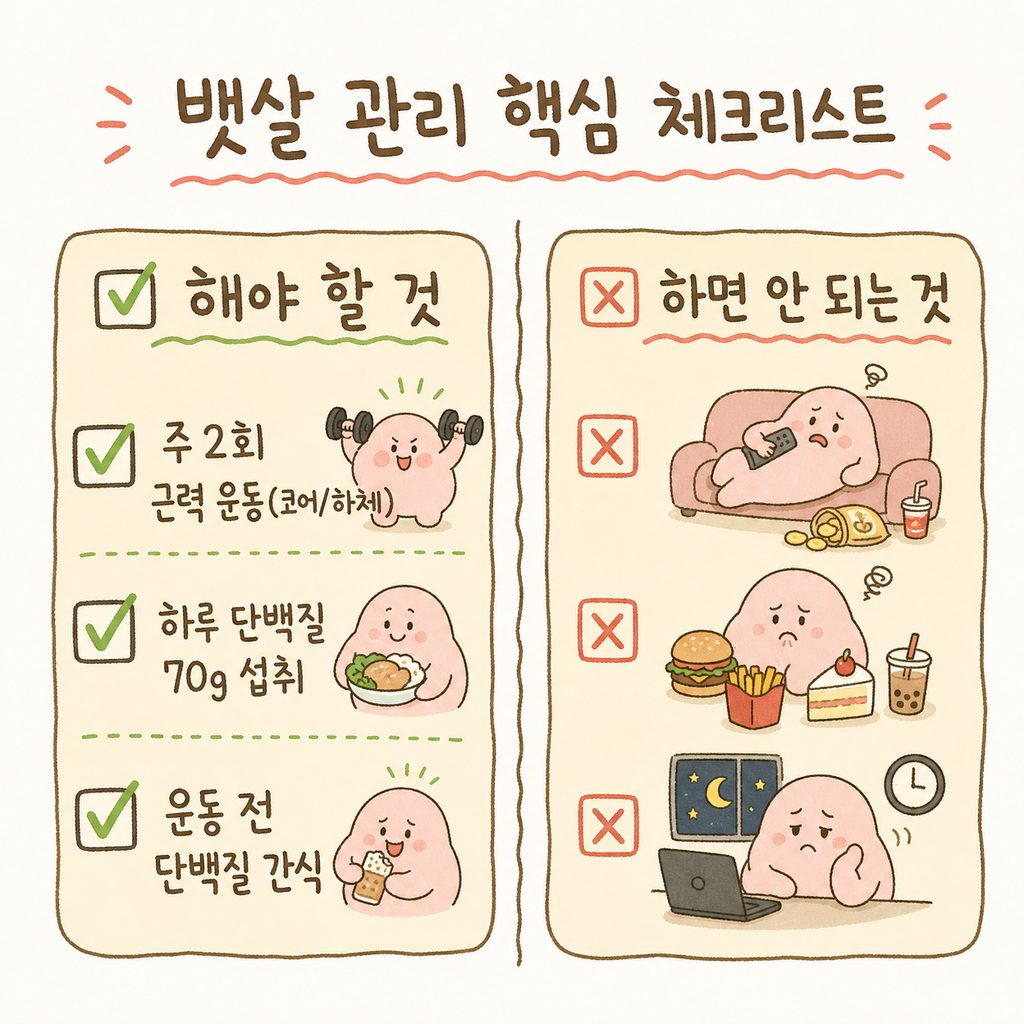
Start by incorporating strength training. Cardio alone isn't enough. Try to focus on strengthening your core and lower body—your body's center—at least twice a week.
You should also pay attention to your protein intake. Your muscles need to recover and become stronger for your basal metabolism to increase and belly fat to reduce. I recommend consuming at least 70g of protein daily.
Finally, try pre-workout snacks. Many people experience intense hunger after exercising and overeat as a form of reward. Lightly eating a snack containing about 12g of protein before your workout can help prevent this.
Small Changes for a Healthier Tomorrow
Belly fat isn't just an appearance issue—it's also a warning signal from your internal organs. Rather than suddenly creating an ambitious plan, I hope you'll gradually build the habits I've mentioned today: protein intake and exercising twice a week.

If managing diet and exercise on your own feels overwhelming, try the Baekrokdam Korean herbal weight management program. When a prescription tailored to your constitution and metabolism is added, you can expect much more efficient results. Next time I see you in the clinic, let's discuss which part was most challenging for you and create a personalized strategy together.
References