Blog & Columns
Useful information about health and Korean medicine.
Total 644 posts
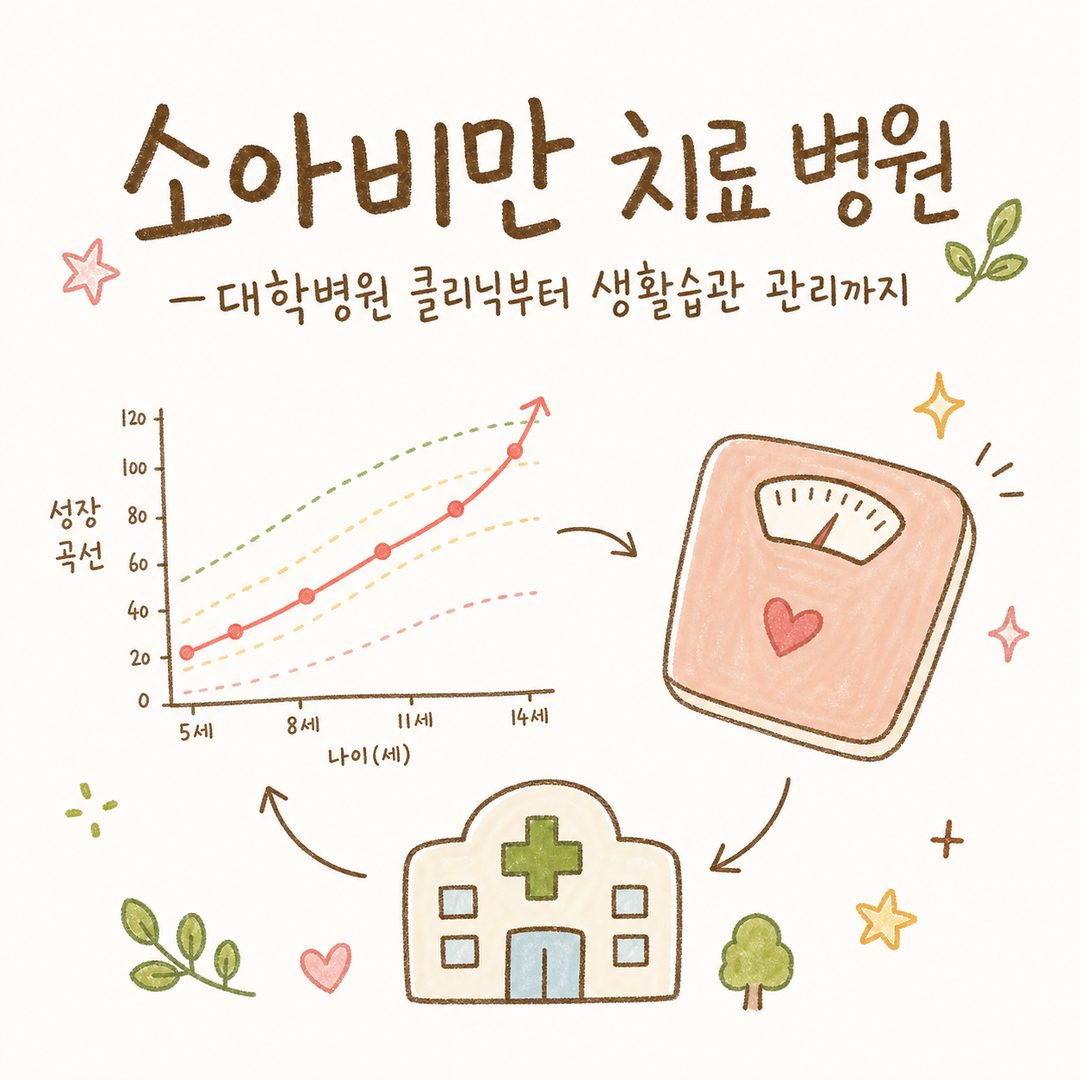
Pediatric Obesity Criteria, Does My Child Correspond? Empathizing with Parents’ Anxiety
null
Facial Psoriasis in Your 20s: Why It's More Than Just a Skin Problem | Incheon Psoriasis
That sinking feeling in your heart every time you face red spots and white scales in the mirror—have you ever experienced something like that?
Menopause Symptoms: Understanding the Story Beyond Hormones | Menopause
"Doctor, I think I'm going through menopause..."
Lose 10kg in a Month: Expert's Realistic Advice
Losing 10kg in a Month, an Expert's Realistic Advice...
Lemon Detox Side Effects: What You Need to Know Before You Start
Lemon Detox Side Effects: Understand Them Fully Before You Start (Safety)...
"Hormone Medicine Intolerance Is Even Worse" | Hormone Therapy Side Effects for Menopausal Women
"Hormone medicine intolerance is even worse" | Hormone therapy side effects for menopausal women...
My Nose is So Itchy! | Our Child's Childhood Allergic Rhinitis During the Change of Seasons
“My Nose is So Itchy” | Our Child’s Pediatric Rhinitis During Seasonal Changes…
Facial Atopy in Your 30s: It's More Than Just a Skin Problem | Incheon Facial Atopy
Doctor, can this awful, persistent facial atopic dermatitis truly get better? I cry every time I look in the mirror. My social life is shrinking, and I'm scared to meet people. Whatever I apply, it's only temporary, and it just keeps flaring up.
Cervicogenic Headache - A Korean Medicine Doctor's Comprehensive Guide
Understanding cervicogenic headache from a Korean medicine perspective...
Why is Anger Control Difficult with Depression? | Incheon Depression
My whole body feels heavy, as if boulders are embedded in it, and I get furiously angry over trivial matters. It feels like my mood is on a rollercoaster several times a day.
Anxiety Hyperhidrosis in My 20s, A War with Sweat | Incheon Hyperhidrosis
<b>Anxiety-induced Hyperhidrosis in Your 20s, A Battle Against Sweat | Incheon Hyperhidrosis...</b>
My Weight Won't Budge No Matter How Hard I Try—Why? | Reasons You're Not Losing Weight
No matter how much you try, your weight stays the same. But why is that? Are you frustrated by the lack of progress, even though you're diligently combining diet and exercise? There are many different reasons why your weight might not change when you're on a diet. If you properly understand the basic principles of weight loss, you can achieve healthy diet results. Today, we'll explore the common reasons why your weight isn't dropping, along with their solutions. <b>Cause 1. Incorrect Diet</b> Simply reducing food intake doesn't necessarily lead to weight loss. It's important to focus on consuming low-calorie foods and maintaining a healthy diet. You should maintain a high-protein, low-fat diet and consume plenty of fresh vegetables and fruits. It's important to control carbohydrate intake and avoid processed foods and those high in sugar. <b>Cause 2. Insufficient or Excessive Exercise</b> Exercise is a crucial factor in weight loss, but it's important to do it correctly. Exercising too little or too much can hinder weight loss. It's recommended to combine aerobic exercise and strength training 3-5 times a week for at least 30 minutes. Stretching before and after exercise is also important to prevent injuries and aid muscle recovery. <b>Cause 3. Insufficient Water Intake</b> Water promotes metabolism and helps burn body fat. It's recommended to drink more than 8 glasses of water a day and avoid caffeinated beverages and those high in sugar. Adequate water intake also helps increase satiety and suppress appetite. <b>Cause 4. Sleep Deprivation</b> Sleep deprivation can lead to hormonal imbalances, increasing appetite and causing body fat accumulation. It's important to get 7-8 hours of adequate sleep a day and maintain regular sleep habits. Before going to bed, it's advisable to limit smartphone use and create a comfortable environment. <b>Cause 5. Stress</b> Stress can increase the secretion of cortisol, leading to body fat accumulation. To manage stress, it's good to engage in regular exercise, meditation, hobbies, and other activities. It's important to find your own methods for stress relief and manage it healthily. <b>Cause 6. Underlying Health Conditions</b> Underlying health conditions such as hypothyroidism and polycystic ovary syndrome can make weight loss difficult. If you suspect an underlying health condition, it's crucial to consult a doctor for diagnosis and treatment. It's advisable to seek professional help to create a healthy weight loss plan. <b>Cause 7. Medication Use</b> Some medications can cause weight gain or hinder weight loss. If you are taking any medications, it's important to consult with your doctor or pharmacist to understand their impact on weight loss. If necessary, medication adjustment or the use of alternative medications can be considered. <b>Cause 8. Increased Muscle Mass</b> Muscle is denser than fat, so the same volume of muscle weighs more. If your weight remains the same but your clothing size has decreased, it's highly likely that your muscle mass has increased. It's better to measure body fat percentage rather than just weight to check changes in body composition. <b>Cause 9. Incorrect Dieting Methods</b> Extreme short-term dieting can actually lead to the yo-yo effect. Sudden dietary changes or extreme exercise can be harmful to your health. It's important to consult with a professional to find a healthy dieting method that suits you. <b>Cause 10. Irregular Meal Times</b> Irregular meal times can disrupt metabolism and lead to body fat accumulation. It's recommended to eat three regular meals a day and maintain meal intervals of about 4-5 hours. It's important to choose healthy snacks and avoid excessive consumption. <b>Cause 11. Chronic Inflammation</b> Chronic inflammation can cause weight gain and make weight loss difficult. It's advisable to consume anti-inflammatory foods (such as vegetables, fruits, whole grains) and reduce processed food intake. If you suspect chronic inflammation, it's crucial to consult a doctor for diagnosis and treatment. <b>Cause 12. Gut Health Issues</b> Gut health significantly impacts weight loss. It's recommended to improve gut health by consuming foods rich in probiotics and prebiotics. If you suspect gut health issues, it's crucial to consult a doctor for diagnosis and treatment. <b>Cause 13. Hormonal Imbalance</b> Various hormones, such as thyroid hormones, insulin, and leptin, affect weight regulation. If you suspect hormonal imbalance, it's crucial to consult a doctor for diagnosis and treatment. It's advisable to maintain a diet and lifestyle that helps regulate hormones. <b>Cause 14. Genetic Factors</b> Genetic factors can influence the speed and methods of weight loss. If you have a family history, it's important to consult with a professional to find a dieting method that suits you. It's advisable to set realistic weight loss goals, taking genetic factors into account. <b>Cause 15. Post-Surgery Weight Gain</b> Weight can increase after some surgeries. If you're concerned about post-surgery weight gain, it's advisable to consult with your doctor to understand the causes and solutions. It's important to maintain a healthy diet and regular exercise after surgery. Weight loss is more than just shedding pounds; it's an important process for a healthy life. It's important to identify the various causes mentioned above and find solutions that suit you. We hope you succeed in healthy weight loss through consistent effort and professional help. If you have any questions, please feel free to ask in the comments.