BPO Cleansing and Topical Retinoids
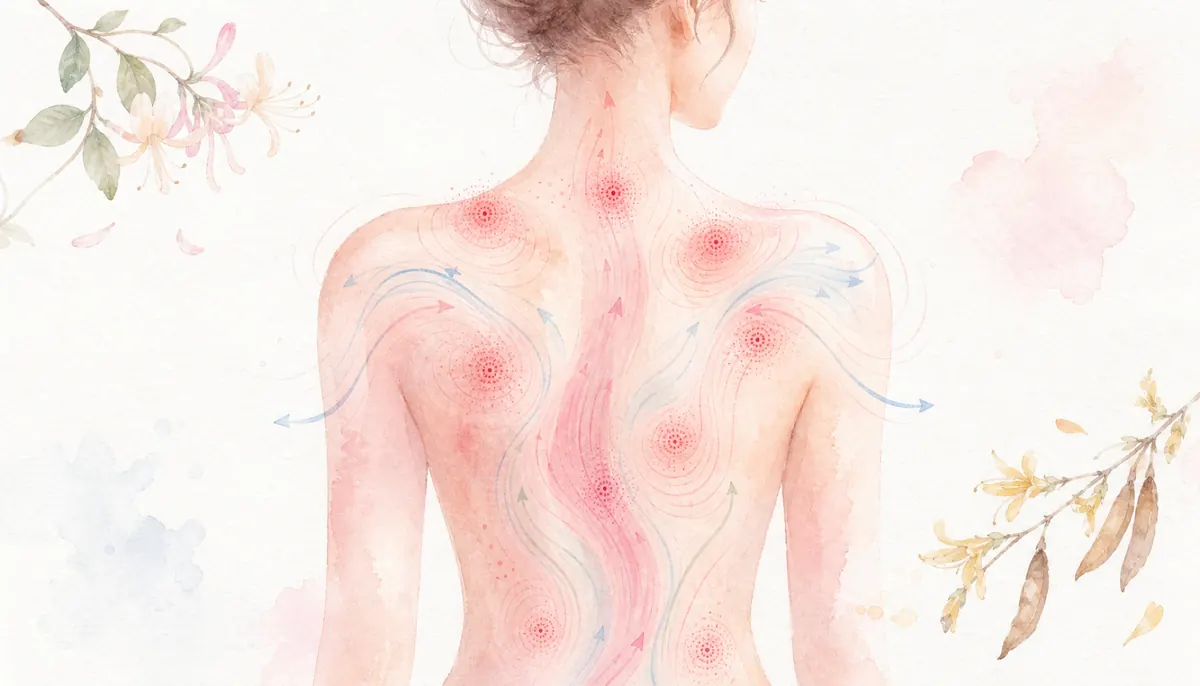
For mild back acne, BPO cleansers are used to reduce inflammation-related bacteria, and topical retinoids such as adapalene are used to relieve clogged pores. Start according to the product instructions and adjust the frequency and moisturizing if irritation occurs.
Antibiotics Limited to Combination Therapy
For widespread inflammatory lesions, a dermatologist may consider topical or oral antibiotics. Avoid using them alone or long-term; use them in combination with non-antibiotic treatments like BPO and re-evaluate the response at a set time.
Systemic Treatment Evaluation for Severe Cases or Scarring Risk
In cases of deep, painful nodules, rapidly forming scars, or failure of sufficient treatment, a dermatologist evaluates the suitability, tests, and side effects of systemic treatments such as isotretinoin. Strict safety procedures are required if there is a possibility of pregnancy.
Wash off sweat quickly, but do not rub the skin
Shower as soon as possible after exercise and change out of wet clothes, but do not rub strongly with exfoliating towels, coarse brushes, or scrubs.
Check for BPO irritation and bleaching
If dryness or stinging occurs, lower the frequency of use and moisturize. Since BPO can bleach clothes and towels, rinse thoroughly and consider using white fabrics.
Distinguish folliculitis that looks like acne
If itchy pustules of similar size suddenly spread without comedones, it may be bacterial or Malassezia folliculitis; do not repeatedly use only acne products.
How Baekrokdam approaches care
Baekrokdam first checks for comedones, inflammation, nodules, scarring risk, the possibility of folliculitis, and current plans for BPO, retinoids, antibiotics, or isotretinoin. Standard dermatology treatment for acute infections or severe/scarring lesions will not be delayed. Only when inflammation remains chronic or recurring despite maintaining standard treatment, and coincides with changes in sleep, menstruation, or digestion, will supportive goals for Korean herbal medicine be set, and responses will be tracked based on new lesions, pain, and scarring.
- Comedones, inflammation, nodules, and scarring risk
- Differentiation between itchy uniform rashes and folliculitis
- Use of topical agents, antibiotics, and isotretinoin
- Sweat, friction, and product contact
- Number of new lesions and daily discomfort
Dermatological treatment remains the primary focus
While maintaining BPO, topical retinoids, and necessary prescriptions, we specifically identify chronic or recurring discomfort that Korean herbal medicine can support.
Compare recurring lifestyle conditions
We provide consultations to ensure that Korean herbal medicine does not conflict with standard treatments by comparing the timing of new lesion increases with changes in exercise, sleep, menstruation, and digestion.
Evaluate progress based on reduction of new lesions, not scars
Rather than temporary feelings of sebum, we monitor the weekly number of new inflammations and nodules, as well as pain and the required amount of antibiotics at each designated check-point.
For fever, rapidly spreading redness and pain, deep nodules, cysts, or new scarring, dermatological diagnosis and standard treatment take priority. Korean herbal medicine treatment does not arbitrarily discontinue or replace BPO, topical retinoids, antibiotics, or isotretinoin; it is performed only as a supplement for chronic or recurring inflammation after differentiating folliculitis and ruling out acute risks.