Only people currently living in Korea with their own Korean 010 mobile number can apply. Overseas residents are not eligible.
Causes of Eye Twitching: From Fatigue and Caffeine to Blepharospasm and Hemifacial Spasm
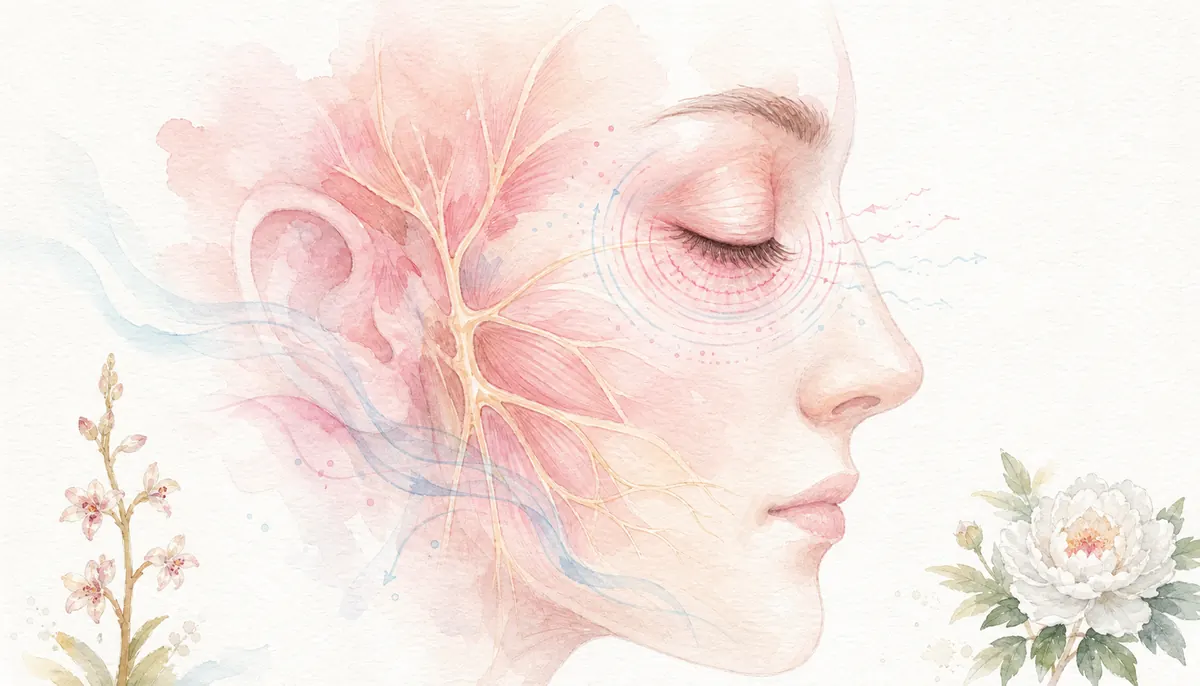
When the lower eyelid twitches, magnesium deficiency is often the first thing that comes to mind; however, common eyelid twitching frequently occurs in conjunction with fatigue, stress, and caffeine, and often resolves on its own. If the condition worsens despite sufficient sleep and reduced caffeine intake, or if both eyes close tightly making it difficult to see, blepharospasm should be evaluated. If the twitching starts in one eye and spreads to the corner of the mouth and cheek, it may be a hemifacial spasm related to blood vessel compression around the facial nerve, which requires medical evaluation.
Eye Twitching Cause Guide
Key points
1Record the timing of the twitching in relation to sleep, stress, and caffeine intake.
2Distinguish whether it is limited to the eyelid or if the eyes are closing or the twitching is spreading to the face.
3Seek immediate evaluation if sudden paralysis, slurred speech, or double vision occur.
Eye Twitching Safety Boundary Chart
Distinguish between common fatigue signals and medical evaluation signals
A single item does not confirm a disease. Use this to organize your current symptoms and determine what to verify during a medical evaluation.
Pattern
Interpretation
Action
Fine twitching of one eyelid
Possible common benign twitching
Adjust sleep and caffeine intake
Worsens after dryness or screen use
Related to eye irritation
Rest and eye care
Persists for several weeks or eye closes involuntarily
Differential diagnosis from other spasms
Medical evaluation
Facial paralysis, double vision, or limb abnormalities
Neurological evaluation required
Immediate medical assistance
What the clinic checks first
Is eye twitching caused by magnesium deficiency?
It is difficult to conclude that this is due to a deficiency in a single nutrient. First, consider fatigue, caffeine, eye irritation, and the range of movement; if symptoms recur, evaluate for neurological or ophthalmological causes.
More detail
Common Triggers for Eyelid Twitching
Fatigue and Lack of Sleep
Small muscle contractions may be more noticeable after a lack of sleep or prolonged eye use.
Stress
Twitching may start or become more frequent during periods of tension and overwork.
Caffeine and Irritants
Observe if symptoms worsen with high intake of coffee or energy drinks, or when there is eye dryness and irritation.
Movements Different from Simple Twitching
Blepharospasm
Both eyelids close tightly repeatedly, which can interfere with daily activities such as driving or walking.
Hemifacial Spasm
Usually begins around one eye and the contractions spread to the cheek and muscles around the mouth on the same side.
Tics and Medication
Repetitive movements that can be suppressed or dyskinesia occurring after starting a new medication are also distinguished based on medical history.
Records to Check Before Your Visit
Range
Note whether it affects the upper or lower eyelid, one or both sides, and if other parts of the face are involved.
Duration and Frequency
Record how many seconds each episode lasts, how many times it occurs per day, and how many weeks it has persisted.
Video
Since symptoms may not be present during the appointment, it is helpful to record a short video showing the entire face in a safe environment.
Frequently asked questions
Is it okay if only the lower eyelid twitches?
Most cases are temporary, but please seek medical evaluation if it persists for several weeks, if the eye closes, or if it spreads to the face.
Will it be cured immediately if I stop drinking coffee?
If caffeine was the trigger, reducing intake may be helpful, but the effect and timing vary. Please also manage your sleep and reduce eye irritation.
Is eye twitching a precursor to a stroke?
Trembling of the eyelid alone is usually different from a stroke. However, if accompanied by sudden paralysis, slurred speech, or double vision, seek emergency evaluation immediately.
Sources
American Academy of Ophthalmology (AAO) — Eyelid Twitching and BlepharospasmCommon eyelid twitching related to fatigue, stress, and caffeine, and the distinction between blepharospasm and hemifacial spasm
National Eye Institute (NEI) — BlepharospasmBasis for distinguishing temporary eyelid twitching from blepharospasm (where the eye closes completely or spreads to the face) and transitioning to an ophthalmological evaluation if it persists for several weeks