
Immune response sustains digestive tract inflammation
If the immune system reacts abnormally to gut microbiota, inflammation can persist. Unlike simple temporary enteritis, it can affect multiple layers and areas of the digestive tract.
Crohn's disease is a condition where an abnormal immune response causes chronic inflammation in the digestive tract, but the exact reason why it starts in specific individuals is not yet fully understood. It is known that genetic predisposition, gut microbiota, and the environment interact, and smoking is a factor that increases the risk. A person's cause of onset cannot be determined by family history or a single specific food alone; recurring diarrhea, abdominal pain, and weight loss must be evaluated by a gastroenterologist to distinguish them from infections or other intestinal diseases.
Guide to the Causes of Crohn's Disease
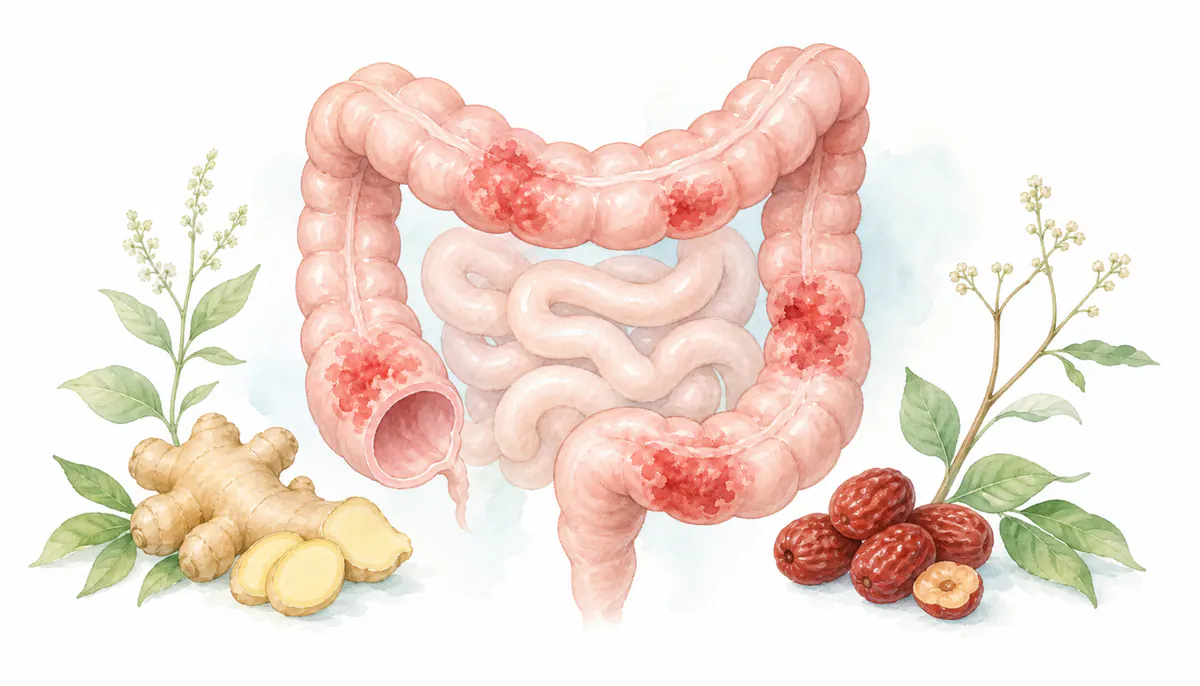
Distinguishing Causes and Risk Factors
| Current Situation | How to Interpret | Next Step |
|---|---|---|
| Family history exists, but there are no intestinal symptoms | Genetic predisposition is only part of the risk and does not mean the disease will develop | Quit smoking, maintain general health care, and seek medical evaluation if new symptoms occur |
| Diarrhea, abdominal pain, or weight loss recurring for several weeks | Requires differential diagnosis for various causes, such as inflammatory bowel disease (IBD) and infections | Consult a gastroenterologist for blood and stool tests and necessary detailed examinations |
| Symptoms worsen after eating specific foods | Foods may trigger symptoms, but this must be distinguished from the cause of onset | Share diet and symptom logs during medical evaluation instead of following overly restrictive diets |
| Currently smoking or have a history of smoking | Smoking is linked to risk and worsening of the condition, but it is not the sole cause | Receive smoking cessation support and separately evaluate the current state of inflammation |
| Severe abdominal pain, bloating with repeated vomiting, or bloody diarrhea | Possibility of acute issues such as bowel obstruction, severe inflammation, or bleeding | Do not wait for a consultation with Baekrokdam; seek emergency evaluation today |
What the clinic checks first
In Crohn's disease, it is believed that the immune system overreacts to microorganisms normally living in the gut, leading to persistent inflammation of the digestive tract wall. A single cause that triggers this reaction has not been identified; rather, various genetic predispositions, differences in gut microbiota, and living environments interact. Risk factors only increase the likelihood and are not a personal fault or a definitive cause, so we first verify current symptoms and objective inflammation.
If the immune system reacts abnormally to gut microbiota, inflammation can persist. Unlike simple temporary enteritis, it can affect multiple layers and areas of the digestive tract.
Various genetic predispositions are involved in the immune response, but not everyone with the same predisposition develops the disease. The interaction between the environment and gut microbiota is also being studied.
Differences in microbiota are observed between Crohn's disease patients and those without the condition, but it cannot be confirmed that one specific bacterium causes Crohn's disease.
Having a parent or sibling with Crohn's disease may increase the likelihood, but a family history does not mean the disease will necessarily develop.
Smoking is an environmental factor that increases the likelihood of onset and the risk of worsening Crohn's disease. Quitting smoking is helpful, but smoking alone does not determine an individual's cause.
Symptoms may start or become apparent after a bowel infection, but the infection itself must be distinguished from chronic inflammatory bowel disease. The onset timing and test results are reviewed together.
If the immune system reacts abnormally to the gut microbiota that normally coexist in the body, it can lead to inflammation in the digestive tract. Currently, this is not explained as a problem of the immune system alone.
There is no single confirmed cause as to why the immune response begins at a specific point in time. It is difficult to conclude that recent stress or a single infection alone is the cause of onset.
Diarrhea, abdominal pain, and fever can also occur during an infection. Crohn's disease is not diagnosed based on symptoms alone; instead, a combination of stool tests, inflammation assessments, and necessary detailed examinations is used.
Having Crohn's disease in a close family member may increase the risk, but it does not determine the onset. A family member without symptoms is not diagnosed based on family history alone.
Smoking increases the likelihood of developing Crohn's disease and may be linked to the worsening of the disease if it is already present. It is advisable to receive smoking cessation support along with a current symptom evaluation.
While diarrhea or abdominal discomfort may vary depending on the food, this does not mean that the food is the cause of the disease. Review dietary records with a professional to avoid nutritional depletion.
If bloody stools suddenly increase, or if stools are black and you feel dizzy, do not wait and attribute it to food; promptly evaluate the extent of bleeding and inflammation.
If the abdomen is severely swollen, vomiting is repeated, and the passage of gas and stool decreases, complications such as intestinal obstruction due to stricture are checked first.
If there is high fever, chills, severe abdominal pain, or swelling around the anus, there is a possibility of infectious complications such as an abscess, requiring same-day medical evaluation.
Baekrokdam's perspective on Crohn's disease cause consultation
For severe pain, bloating, vomiting, bloody diarrhea, or high fever, we prioritize a hospital evaluation on the same day rather than waiting for Korean herbal medicine treatment at Baekrokdam.
While family history, smoking, and diet are recorded as background, the diagnosis is based on the progression of symptoms combined with objective test results from a gastroenterology department.
While maintaining your diagnosis and prescription, we check for post-meal discomfort, fatigue, and changes in sleep to consult on whether to combine Korean herbal medicine treatment and the criteria for re-evaluation.
Preparing the onset timing of symptoms, records of bowel movements and weight, family history, smoking history, recent blood/stool/endoscopy or imaging results, and current medications will help in determining the safety boundaries for your consultation at Baekrokdam.
No. Family history and various genetic predispositions can increase the risk, but they do not determine whether the disease will develop. A diagnosis is not made based on family history alone if there are no symptoms.
Smoking is an important environmental factor associated with the likelihood of occurrence and the risk of worsening, but the cause of the disease in a single individual cannot be attributed to smoking alone. Smoking cessation support is recommended.
While food can affect symptoms, it is not the sole cause of Crohn's disease. Severe dietary restrictions can lead to nutritional problems, so please coordinate with your medical team based on your records.
Symptoms can persist after an infection, but infectious enteritis and Crohn's disease cannot be distinguished by symptoms alone. Please receive the necessary medical evaluation, such as stool tests and inflammation assessments.
Content reviewed:
This information supports, but does not replace, diagnosis or treatment by a qualified healthcare professional.