BRD Clinic
Only people currently living in Korea with their own Korean 010 mobile number can apply. Overseas residents are not eligible.

Causes of Late-life Depression: Looking Beyond Aging to Loss, Isolation, Disease, and Medication

Late-life depression is not a natural part of aging. An individual's biological and psychological predispositions, combined with the loss of a spouse or friends, changes in social roles, social isolation, chronic diseases, pain, and functional decline, can increase the risk. Certain medications, alcohol, or substance use may also contribute to depressive symptoms, so all prescription drugs, over-the-counter medicines, Korean herbal medicine, and supplements are reviewed. The presence of these factors does not inevitably lead to depression, and it should not be dismissed as a lack of family interest or a matter of personal will. Sudden confusion or changes in consciousness must be evaluated for acute causes—such as delirium, infection, or cerebrovascular disease—before considering the causes of depression.

Guide to Causes of Late-Life Depression

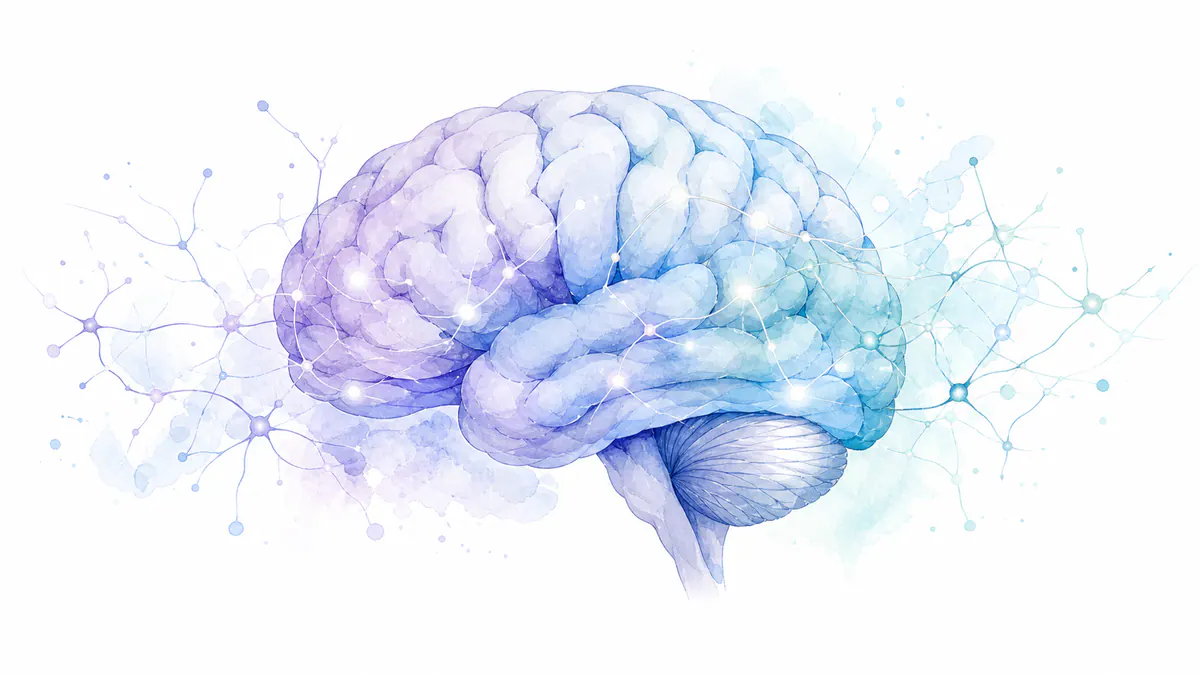
Late-life Depression: Illustration for this condition

Key points

  1. 1Depression is not dismissed as normal aging or a personality change.
  2. 2Loss, isolation, chronic disease, pain, functional decline, all medications, and alcohol use are reviewed chronologically.
  3. 3Sudden confusion, paralysis, or changes in consciousness require an evaluation for acute physical causes before considering depression.

Distinguishing Causal Context

Distinguishing between loss, illness, medication, and acute changes

Risk factors are not confirmed causes, but clues to determine the direction of support and differential diagnosis.
ContextScenario to CheckInterpretationNext Step
Loss & IsolationBereavement, decreased outings or conversationRisk contextConnect to social support
Illness & PainBefore/after hospitalization, pain, or functional declinePotential for mutual exacerbationManage underlying illness
Medications & SubstancesChanges in new medications, dosage, or alcohol intakePotential contributing factorPrescriber review
Changes in Memory & JudgmentManagement of medications, bills, and appointmentsDifferential diagnosis between depression and cognitive impairmentComprehensive evaluation
Sudden ConfusionFever, paralysis, or changes in consciousnessAcute physical causeImmediate emergency evaluation

What the clinic checks first

Is late-life depression a natural change that occurs as one ages?

No. Even if there are more losses and illnesses, depression is not a normal part of aging. Mood, functioning, and quality of life can improve through proper evaluation and treatment.

More detail

Various predispositions and life changes are involved, not just aging

Depression is not normal aging

Rather than explaining symptoms by age alone, we look at how much mood, interest, and daily functioning have changed compared to before.

Loss and isolation are significant risk contexts

We check if symptoms began or worsened following bereavement, retirement, moving, or a decrease in contact with friends and family.

It is not attributed to family fault

Instead of blaming the frequency of contact, we identify specific barriers to care, such as transportation, hearing, mobility, finances, and caregiving.

Chronic diseases, pain, and medication lists are reviewed together

Disease and depression mutually impair functioning

Chronic disease and pain can reduce sleep and activity, while depression can in turn decrease adherence to medical evaluations, medication, and rehabilitation.

Note the timing of new medications and dosage changes

Share all prescription drugs, over-the-counter medicines, Korean herbal medicine, supplements, and alcohol use, but do not stop any suspected medication arbitrarily.

Review diet, weight, dehydration, and sensory decline

We check how changes in appetite and weight, or declines in hearing and vision, have impacted social isolation and medication management.

Memory changes and acute confusion are distinguished by timeline

Concentration and memory can fluctuate in depression

We conduct a comprehensive evaluation to see if these began alongside a decline in mood and interest, and whether functioning changes after encouragement or treatment.

Not prematurely concluded as either dementia or depression

We consider the speed of onset, daily functioning, family observations, cognitive assessments, and physical or medication-related factors.

Sudden confusion requires emergency differential diagnosis first

If attention or consciousness fluctuates rapidly, or if paralysis or speech changes occur, do not wait for a Korean herbal medicine consultation.

Baekrokdam's perspective on the causes of geriatric depression

We look beyond normal aging to examine loss, illness, polypharmacy, and cognitive function

Baekrokdam first screens for sudden suicide risk, confusion, and neurological symptoms. After maintaining primary care, geriatric mental health evaluations, and reviews of illnesses and medications, we consult on the supportive role of Korean herbal medicine only when chronic burdens of sleep, digestion, pain, or vitality hinder functional recovery.
01 · Acute Safety

First, we screen for suicide, delirium, and neurological emergencies

We check for plans and means, as well as confusion, consciousness, paralysis, hallucinations, and the ability to manage meals and medications.

02 · Timeline

We link loss, illness, and medication to functional changes

We examine how sleep, appetite, outings, and housework have changed before and after hospitalization, pain, new medications, or bereavement.

03 · Tracking

We record mood, cognition, and self-care together

We monitor whether interest, hope, the management of medications, bills, and appointments, as well as outings and conversation, are actually recovering.

Please prepare information regarding any loss, hospitalization, or pain before and after the symptoms, as well as changes in sleep, diet, weight, outings, housework, and memory. Additionally, please bring a list of all prescription medications, over-the-counter drugs, Korean herbal medicine, and supplements.

Frequently asked questions

Is it a medical condition to feel depressed after a bereavement?

While sadness can be natural, a professional evaluation is necessary if emotional numbness, loss of interest, and a decline in eating, sleeping, or self-care persist.

Can medications cause depressive symptoms?

Some medications may contribute to these symptoms. Please share all prescription drugs, over-the-counter medicines, Korean herbal medicine, and supplements with your provider and review them without stopping any medication arbitrarily.

Is memory loss a sign of depression or dementia?

A conclusion cannot be reached based on symptoms alone. The speed of onset, changes in mood and function, cognitive evaluations, and physical or medication-related causes are all considered together.

If someone suddenly starts talking nonsense, is it because of depression?

Sudden confusion requires an initial evaluation for acute causes such as delirium, infection, or cerebrovascular disease.

Sources

  1. NIA — Depression and Older AdultsDifferential diagnosis of risks related to loss, illness, pain, and medication in geriatric depression
    Open source
  2. NIMH — Older Adults and Mental HealthMental health signals and isolation or loss in old age
    Open source
  3. NIMH — DepressionMultifactorial causes of depression and the context of chronic diseases and medications
    Open source

Content reviewed:

This information supports, but does not replace, diagnosis or treatment by a qualified healthcare professional.

The clinic is outside telephone hours

You can leave your inquiry now.

Leave an inquiry Call anyway