
Autonomic · Neurological Oriental Medicine Clinic
Autonomic Neuropathy · Autonomic Dysfunction · Vegetative Nerve Insufficiency· Autonomic Dysfunction
Incheon Songdo Baekrokdam Oriental Medicine Clinic
For systemic discomfort of unknown cause, we first correct the broken balance of the autonomic nervous system.
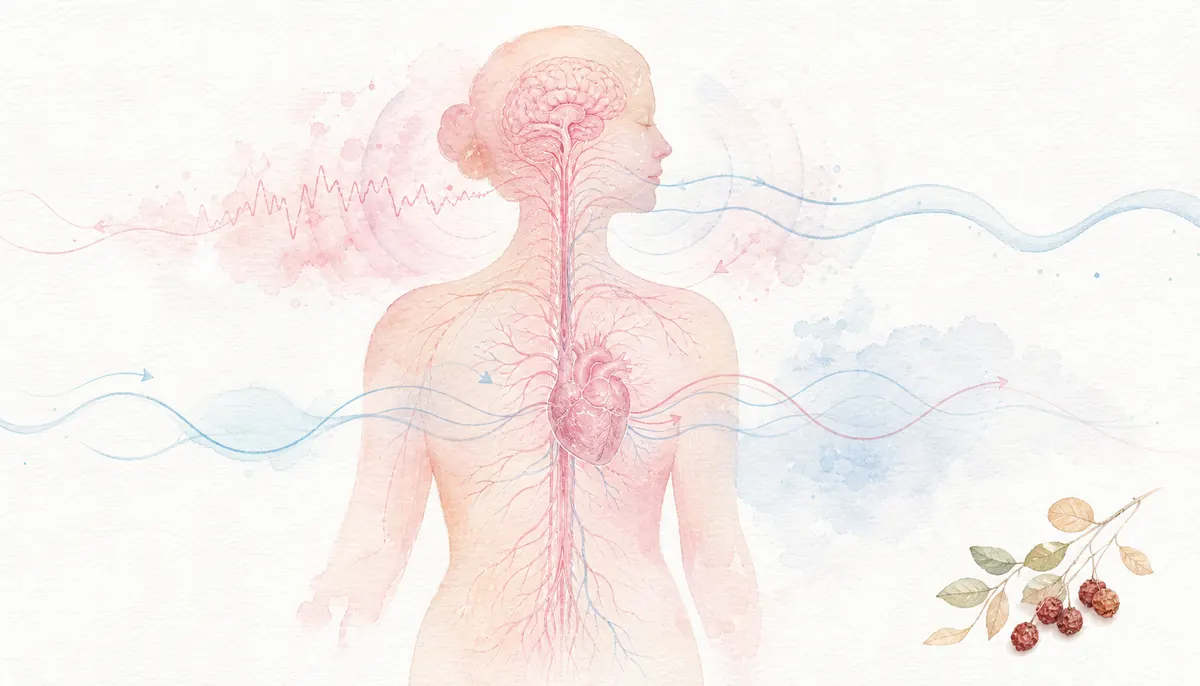
"The tests are normal, but I feel like I'm dying."This single phrase likely captures the common feeling of patients with autonomic neuropathy.
심장 두근거림, 호흡 곤란, 어지럼증, 불면... 이 모든 증상이 한꺼번에 몰려오는데 병명조차 명확하지 않아 '신경성'이라는 말만 듣고 계셨다면, 이제 자율신경의 균형에 주목해야 합니다.
Core disease information at a glance
- Other names
- Autonomic dysfunction, autonomic nervous system disorder, Dysautonomia
- Hanja
- Autonomic dysfunction
- Classification
- Nervous system · Other functional disorders
- Main symptoms
- Palpitations, dizziness, cold sweats, insomnia, chronic fatigue
- Possible comorbidities
- Panic disorder, irritable bowel syndrome, tinnitus, orthostatic hypotension
- Diagnosis
- HRV(심박변이도) · 맥진 · 문진, 기질적 병변 부재 확인
- Treatment
- Herbal medicine centered (Restoring balance between sympathetic and parasympathetic nerves)
- General treatment period
- Approximately 3-4 months (6 months or more for chronic cases)
- 진료 방식
- 상태에 따라 대면·비대면 여부를 의료진이 판단
증상부터 생활관리까지
자율신경실조증의 세부 안내를 확인하세요
Commonly heard in the clinic
Many patients visit using these expressions
My heart suddenly started racing, so I went to the emergency room three times
They say all the tests are normal, but my whole body feels heavy as lead
I feel anxious because I suddenly feel like I can't breathe
My head feels foggy and dizzy, so I can't concentrate on work
Since menopause, I have night sweats and can't sleep at all
There is a sound in my ears and my vision is blurry, but neurology says there is nothing wrong
Every time I stand up, my vision goes dark and I feel dizzy
I have indigestion and gas in my stomach, but the endoscopy is clear
My hands and feet are ice cold, but only my face feels flushed with heat
I get startled by small noises and my chest feels tight
I feel drowsy and foggy after taking the medication, making daily life difficult.
Whenever the seasons change, I feel like my body can't cope and is breaking down.
It hurts the most when people say I'm just being too sensitive.
I'm afraid to open my eyes in the morning and have no energy all day.
My bowel movements are irregular, and my stomach hurts immediately when I'm stressed.
I want to live a normal life again, even without medication.
These are expressions frequently heard in the clinic. If this sounds like your story, you may want to suspect autonomic dysfunction.
Consult via telehealth →What is autonomic dysfunction?
Autonomic dysfunction refers to the body's automatic control system,A state where the balance of the autonomic nervous system (sympathetic and parasympathetic nerves) is disrupted, leading to various abnormal symptoms throughout the body.which is called.
The sympathetic nerve acts as the 'accelerator' and the parasympathetic nerve as the 'brake'; when the harmony between the two is broken, chaos occurs in the body, similar to a car accelerating or stopping uncontrollably.
In traditional Korean medicine, this is viewed as'Imbalance of Yin and Yang'where the homeostasis of the body is collapsed because Yang (sympathetic) is excessive or Yin (parasympathetic) is too deficient.
특히 현대인들에게 흔한 이유는 과도한 스트레스와 불규칙한 생활 때문이에요. 기가 뭉치는 간기울결(肝氣鬱結)이나 심장의 기운이 약해지는 심담허겁(心膽虛怯)이 자율신경실조의 주요 배경이 됩니다.
In Western medicine, this is calledFunctional autonomic disorderand is considered difficult to treat because it is not a disease of a specific organ. However, traditional Korean medicine has strengths in regulating the body's overall energy and can be an effective alternative in this area.
Because the autonomic nervous system is a very sensitive systemMultiple factors acting in combinationTherefore, it collapses.

자율신경실조증 주요 원인, 어떻게 누적되는가
- 1 Chronic stress and overwork
The hypothalamus of the brain becomes overloaded, leading to a loss of the ability to regulate the autonomic nervous system.
- 2 Rapid hormonal changes
Particularly in menopausal women, changes in estrogen levels directly impact the autonomic nervous system.
- 3 Irregular biological rhythms
A reversed day-night cycle and irregular meals are the primary culprits hindering the activation of the parasympathetic nervous system.
- 4 Psychological trauma
Past major shocks are imprinted on the brain, causing the sympathetic nervous system to overreact to even minor stimuli.
- 5 Constitutional sensitivity
Those born with naturally weak energy or a sensitive nervous system are more susceptible to autonomic dysfunction.
Since the autonomic nervous system is spread throughout the entire bodySymptoms can appear anywhere from head to toe.
자율신경실조증 주요 증상, 환자가 실제로 느끼는 것들
Cardiovascular and Respiratory
- 심계항진, 가만히 있어도 심장이 쿵쾅거리고 가슴이 두근거려요
- 호흡 곤란, 숨이 끝까지 안 쉬어지는 느낌, 가슴이 답답하고 조여요
- 기립성 어지럼증, 앉았다 일어날 때 눈앞이 캄캄해지고 핑 돌아요
Digestive and Urinary Systems
- 신경성 소화불량, 체한 느낌이 만성적이고 배에 가스가 가득 차요
- 과민성 대장, 긴장하면 바로 배가 아프거나 설사·변비가 반복돼요
- 빈뇨 및 잔뇨감, 소변을 자주 보고 보고 나서도 시원하지 않아요
Systemic and Nervous System
- 수면 장애, 잠들기 어렵고 자다가 자꾸 깨며 꿈을 많이 꿔요
- 체온 조절 이상, 갑자기 열이 확 오르거나 식은땀이 나고, 손발은 차가워요
- 만성 피로와 두통, 자고 일어나도 개운하지 않고 머리가 무겁고 멍해요
The appearance of these symptomsSimultaneously or alternatelyis a typical characteristic of autonomic dysfunction.
Chronic Autonomic Dysfunction: Baekrokdam's Approach
Summary, 자율신경실조증은 증상을 억누르는 게 아니라, 몸의 조절 리듬을 되찾아주는 게 본질이거든요.
Why Baekrokdam focuses on herbal medicine
The goal of herbal medicine is not just to suppress external symptoms, but to create a body that can recover on its own without medication.
The autonomic nervous systemIt is not a switch that can be simply turned on and off with medication. While Western medicine is closer to symptomatic therapy—forcibly suppressing overactive nerves or supplementing deficient hormones—herbal medicine balances the body's Yin and Yang to induce the autonomic nervous system to function on its own.
Herbal medicine simultaneously manages systemic Qi and blood circulation and imbalances of the internal organs.We correct the 'collapsed axis' unique to each patient, such as lowering heart heat while strengthening the digestive system or filling bodily fluids to extinguish deficiency heat. This is the power of oriental medicine in reducing recurrence.
Why is it not easily detected through tests?
Tests look at numerical values and structures, but the essence is often a 'body imbalance' that is not easily captured by tests.
MRI or blood testsHardware failureIf you are looking for, autonomic dysfunction isSoftware errorcloser to. The machine itself is fine, but the program is tangled and issuing the wrong commands.
Therefore, the phrase "normal on tests" can provide a sense of isolation rather than comfort to the patient. Baekrokdam objectifies the invisible functional areas through HRV tests and Oriental medical diagnosis, focusing on the actual pain the patient feels.
그래서 어떻게 치료하느냐, 백록담의 방식
문진·맥진·복진으로 전신을 살피고, 한약으로 주된 원인을 함께 풀어가요.
To find the invisible rhythms of the nervous system,The overall trajectory of the patient's lifewe examine.
- HRV (Heart Rate Variability) Test, 심장 박동의 미세한 변화를 분석해 교감·부교감 신경의 활성도와 균형 상태를 객관적으로 파악합니다.
- Pulse Diagnosis and Tongue Diagnosis, 기혈의 성쇠와 몸 안의 허열, 담음 등 자율신경을 방해하는 병리적 요인을 진단합니다.
- In-depth Medical Inquiry, 수면 패턴, 스트레스 취약성, 식습관, 호르몬 변화 등 자율신경을 흔드는 트리거를 정밀하게 분석합니다.
Based on the data identified in this way,1:1 Personalized Herbal Medicineis prescribed. Since the autonomic nervous system reacts sensitively to the external environment, it is essential to finely adjust the prescription according to changes in the patient's condition during the treatment process.
Differentiation branches of autonomic dysregulation observed in clinical practice
Autonomic dysregulation is broadly divided into four types depending on the cause and pattern. Which one applies to you?
Heart and Spleen Deficiency Type (心脾兩虛)心脾兩虛
Those who have both a weak heart and digestive system, feeling constantly anxious, lacking energy, and unable to sleep deeply
Treatment direction: Supplementing the Heart and Spleen (補益心脾) using modified Guibi-tang (歸脾湯), etc.
Liver Qi Stagnation Type (肝氣鬱結)肝氣鬱結
Those whose energy is blocked due to severe stress, experiencing chest tightness, frequent sighing, and accompanying indigestion
Treatment direction: Soothing the Liver and Relieving Stagnation (疏肝解鬱) using modified Soyo-san (逍遙散), etc.
Yin Deficiency and Fire Hyperactivity Type (陰虛火旺)陰虛火旺
Those with a deficiency of body fluids leading to deficiency heat, severe palpitations, night sweats, and burning sensations in the hands and feet
Treatment direction: Nourishing Yin and Clearing Fire (滋陰降火) using modified Cheonwangbosim-dan (天王補心丹), etc.
Heart and Gallbladder Deficiency and Timidity Type (心膽虛怯)心膽虛怯
Those whose heart and gallbladder are weakened by mental shock or chronic stress, making them easily startled by small noises and fearful
Treatment direction: Calming the Heart and Stabilizing the Mind (鎭心定志) using modified Ondam-tang (溫膽湯), etc.
Because the autonomic nervous system is not fixed but constantly changing,Follow-up visit every 2–4 weeksthe composition is changed to the most suitable medicinal herbs for the current body condition through .

Step-by-step progress of dysautonomia treatment
- 1개월 차, 예민도 진정기
Stabilizing the overactive nervous systemA period of soothing the most distressing acute symptomsis.
- Frequency of heart palpitations or shortness of breath gradually decreases
- Sleep quality begins to improve slightly (reduction in frequency of waking up)
- Adjusting detailed herbal ingredients while monitoring the body's response to herbal medicine
- 2~3개월 차, 균형 회복기
The sympathetic and parasympathetic nervous systems'The main period where the 'seesaw game' finds stabilityis.
- Digestive function recovers and general malaise improves
- The body reacts less sensitively to external stress stimuli than before
- Autonomic physical symptoms such as cold sweats and dizziness are noticeably alleviated
- 3~4개월 차, 자생력 강화 및 마무리
Even without treatmentA stage of consolidating the body's ability to maintain balance on its ownis.
- Clearing remaining residual symptoms and reinforcing Qi and blood to prevent recurrence
- Gradually reducing the frequency of herbal medicine intake and testing adaptation to daily life
- Education to fully master correct breathing techniques and lifestyle habits
The autonomic nervous system takes time to recover. Rather than rushing, it is important to calmly observe the process of your body's rhythm changing.
In the case of long-term patients: For those who have suffered for over 5 or 10 years, the neural pathways have become rigidAbout 6 months to 1 yeara long-term approach may be necessary. However, even if progress is slow, you can definitely improve if you set the right direction.
진료를 더 구체적으로 시작하려면
자율신경실조증 진료 전에 준비하면 좋은 정보
검사·진료 자료
기존 검사·진료 자료가 있다면: 자율신경실조증과 관련해 받은 기립혈압·기립경사·심전도·혈액검사 결과와 복용약 목록
복용 중인 약
현재 복용 중인 약은 처방전·약 봉투·약 이름 사진 또는 복용 목록으로, 건강기능식품과 함께 정리해 주세요
증상과 변화
관찰해 오면 좋은 변화: 어지럼·두근거림·발한·소화 증상의 자세·식사·활동별 변화.
증상 예시 자세히 보기
자율신경실조증과 관련해 느끼는 증상(심계항진, 가만히 있어도 심장이 쿵쾅거리고 가슴이 두근거려요·호흡 곤란, 숨이 끝까지 안 쉬어지는 느낌, 가슴이 답답하고 조여요·기립성 어지럼증, 앉았다 일어날 때 눈앞이 캄캄해지고 핑 돌아요)의 빈도와 강도도 함께 적어 주세요
이전 치료 반응
이전 치료의 반응: 치료명과 기간, 좋아진 점·남은 불편·중단한 이유·이상반응, 다시 악화된 시점을 함께 적어 주세요

이전 치료 뒤에도 불편이 남거나 다시 반복되나요? 지금까지 받은 검사·치료와 그 뒤 달라진 점을 적어 주세요. 거리가 있어 내원이 쉽지 않아도 먼저 문의하시면 의료진이 대면·비대면 중 적합한 진료 방식을 안내합니다.
Diseases often confused with autonomic dysfunction
Autonomic dysfunction has symptoms very similar to other diseases, so accurate differential diagnosis is required.
The core is sudden, extreme fear and a feeling of impending death. Autonomic dysfunction is characterized more by chronic physical discomfort than by fear.
Characterized by hot flashes, sweating, and mood swings due to hormonal changes. Since menopause itself can be a major cause of autonomic dysfunction, they often need to be treated together.
The primary symptom is extreme fatigue lasting more than 6 months. Autonomic dysfunction is accompanied by malfunctions of systemic functions, such as the heart, digestive system, and body temperature, in addition to fatigue.
A phenomenon where blood pressure drops upon standing, causing dizziness. This can be one of the sub-symptoms of autonomic dysfunction, occurring when the autonomic nervous system fails to regulate blood pressure.
Dysautonomia treatment reviews
Frequently Asked Questions about Autonomic Dysfunction
What exactly is autonomic dysfunction?
It is a state where the balance of the 'autonomic nervous system (sympathetic and parasympathetic),' which operates independently of our will—such as heart rate, digestion, and body temperature regulation—is disrupted. Rather than cancer or inflammation in a specific organ, it should be viewed as a functional issue where the regulation system itself is malfunctioning.
My test results are all normal, so why am I in so much pain?
Endoscopies or MRIs are tests that look at 'structure.' Since autonomic dysfunction is a problem of 'function and rhythm' rather than structure, it does not appear on imaging. A normal test result does not mean "there is no problem," but should be seen as a signal that "there are no structural abnormalities, so we must focus on functional recovery."
I am taking anti-anxiety medication or beta-blockers; can I take herbal medicine at the same time?
Yes, it is possible. We recommend maintaining your current medication while using herbal medicine to strengthen the body's self-healing power, and then gradually reducing the Western medicine in consultation with your prescribing physician once your condition stabilizes. Herbal medicine has a different mechanism of action than Western medicine, so they can play complementary roles.
How long does the treatment period usually take?
It depends on the severity of the symptoms, but typically 3 to 4 months is considered the intensive treatment period. However, those with overlapping menopausal symptoms or those whose condition has been chronic for over 5 years may require consistent management for more than 6 months.
Is prescription possible through telemedicine?
가능합니다. 자율신경 질환은 환자분의 주관적 증상과 생활 패턴 문진이 매우 중요하거든요. 백록담은 비대면 진료 시스템을 통해 상세한 상담 후 한약을 댁으로 보내드리고 있습니다.
Will the symptoms reappear once the herbal treatment ends?
The goal is not simply to suppress the symptoms, but to create an 'environment' where the body can regulate the autonomic nervous system on its own. Because lifestyle habit correction is performed alongside the treatment process, you will gain the strength to manage yourself even after treatment.
Are panic disorder and autonomic dysfunction the same thing?
The two conditions are often confused because their manifestations are similar. When sudden heart palpitations or stress-induced dyspnea occur due to autonomic nervous system abnormalities, it is easy to mistake them for panic disorder. However, while panic disorder is primarily caused by extreme anxiety, autonomic dysfunction is a state where the body's physical regulation functions malfunction due to a break in the balance between the sympathetic and parasympathetic nervous systems.
The reason for my sudden dizziness is orthostatic hypotension; is this also a part of autonomic dysfunction?
A significant number of causes of orthostatic hypotension are related to the decreased regulatory ability of the autonomic nervous system. When you change your body posture, the autonomic nerves that maintain blood pressure properly fail to function, leading to a temporary decrease in cerebral blood flow and a feeling of dizziness. If this is accompanied by autonomic symptoms such as chronic fatigue, a heavy feeling in the head, or tinnitus, it is necessary to check the overall balance of the nervous system.
Neurological disorders to consider alongside autonomic dysfunction
Please also look into other disorders closely related to the autonomic nervous system.
근거와 검토 정보
자율신경실조증 안내에 참고한 자료
아래 자료는 질환의 일반적인 정의·증상·검사·안전 기준을 확인하는 데 사용했습니다. 백록담의 진료 관점은 이 자료의 결론을 그대로 옮긴 것이 아니며, 개인에게 적용할 때는 진찰과 검사 결과를 함께 봐야 합니다.
콘텐츠 검토 기준일:
- MedlinePlus, Autonomic Nervous System Disorders
이 자료에서 확인한 범위자율신경계 장애의 포괄적 범주와 원인별·증상별 치료 목표
- NINDS, 신경계 진단검사
이 자료에서 확인한 범위신경학적 진찰과 자율신경계 평가의 역할
- 미국자율신경학회·미국신경학회 합의문, 자율신경검사
이 자료에서 확인한 범위기립·발살바·심호흡·발한검사의 종합 해석
- NIH - Autonomic Dysfunction (StatPearls)
이 자료에서 확인한 범위정의·일반 의학정보에 관한 연구의 설계·결과와 해석 범위를 확인하기 위한 원문
함께 보면 좋은 문서
다음으로 보면 좋은 자료
현재 보고 있는 문서Autonomic Neuropathy
관련 주제와 진료 정보를 이어서 확인하면 이해가 더 빠릅니다.
이 페이지의 요약과 검수 정보
검수 의료진
최연승 한의사 Chief Director
페이지 요약
자율신경실조증은 교감신경과 부교감신경의 균형이 깨져 두근거림·호흡 불편·어지럼·소화 문제·수면장애가 여러 장기에 나타나는 상태입니다. 갑작스러운 죽음의 공포가 중심인 공황장애와 달리 신체 불편이 만성적으로 이어지는 경향이 있습니다.
이 페이지가 다루는 내용
- 무엇을 설명하나요
- 두근거림·어지럼·소화불량·불면이 번갈아 나타나면 자율신경실조증인가요?
- 어떤 상황을 다루나요
- 심계항진·호흡 불편·기립성 어지럼·소화장애·체온 변화가 함께 나타나는 분이 대상입니다.
- 무엇을 구별해서 보나요
- 공황장애는 갑작스러운 극심한 공포가 중심이고 자율신경실조증은 만성적인 신체 불편이 중심입니다.
- 어떻게 이해하면 되나요
- 여러 장기 증상이 번갈아 나타나면 공황장애·갱년기·만성피로·기립성 저혈압과 구분해야 합니다.
핵심 내용
- 자율신경실조증은 교감신경과 부교감신경의 균형이 깨져 전신 증상이 나타나는 상태입니다.
- 두근거림·호흡곤란·기립성 어지럼·소화불량·빈뇨·수면 및 체온 조절 이상이 나타날 수 있습니다.
- 공황장애는 극심한 공포가 핵심이지만 자율신경실조증은 신체 불편이 만성적으로 지속됩니다.