
Damage to peripheral autonomic nerve fibers
When systemic diseases such as diabetes damage the nerves that regulate blood pressure, heart rate, digestion, the bladder, and sweating, a combination of symptoms across various functions may appear.
Autonomic dysfunction is not a single disease caused by one specific factor, but rather a term referring to various conditions where the functions that automatically regulate blood pressure, heart rate, body temperature, digestion, urination, and sweating are impaired. It is necessary to first identify underlying diseases that cause nerve damage, medications being taken, and orthostatic blood pressure changes, and then evaluate the condition based on the most bothersome function. If chronic dizziness, throbbing, digestive discomfort, and poor sleep recur despite no urgent cause being found during examinations, you may consult for Baekrokdam herbal medicine treatment.
Guide to the Causes of Autonomic Dysfunction
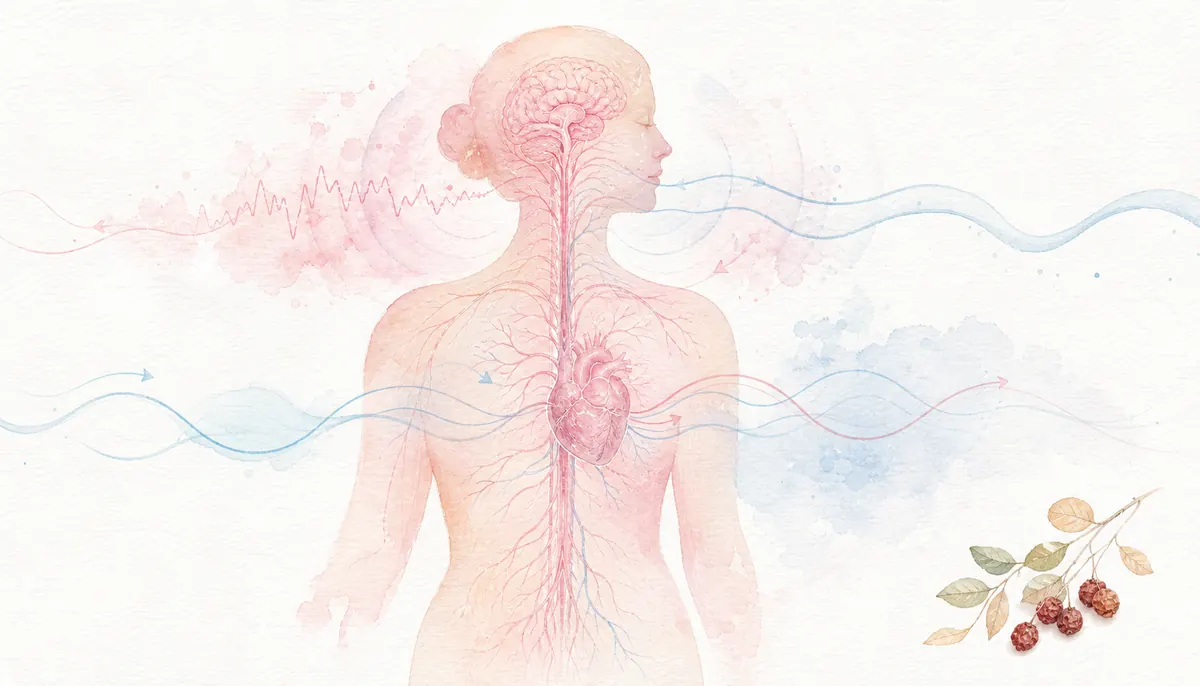
Distinguishing Causes
| Primary Pattern | Causal Context to Verify | Next Step |
|---|---|---|
| Dizziness, feeling of fainting, or pulse changes when standing | Orthostatic blood pressure and heart rate regulation issues | Measurement in lying and standing positions |
| Post-meal bloating, nausea, or changes in bowel movements | Impact on autonomic function of the digestive tract | Meal logs and digestive evaluation |
| Changes in sweating or body temperature regulation compared to before | Sweating control function and medication effects | Check affected area, situation, and medications |
| Accompanied by urinary discomfort or changes in sexual function | Autonomic nerve influence on bladder and sexual function | Evaluation by specific function |
What the clinic checks first
Dysautonomia is often used as a general term for abnormalities in automatic regulatory functions—such as blood pressure and heart rate upon standing, digestion, urination, and sweating—rather than as a single definitive diagnosis. To distinguish between underlying causes such as diabetic neuropathy, autoimmune or degenerative neurological diseases, post-infection changes, medications, and dehydration, it is necessary to examine the posture and sequence in which symptoms occur, vital signs, and current medications to select the appropriate standard functional tests.
When systemic diseases such as diabetes damage the nerves that regulate blood pressure, heart rate, digestion, the bladder, and sweating, a combination of symptoms across various functions may appear.
Certain degenerative neurological diseases or autoimmune processes can affect autonomic regulation, but a specific disease is not confirmed based on a cluster of symptoms alone.
Blood pressure medications, diuretics, dehydration, and bleeding can cause dizziness upon standing and throbbing, or worsen existing impairments; therefore, correctable causes are identified first.
Long-term diabetes and certain autoimmune, metabolic, or infiltrative diseases can increase the risk of autonomic neuropathy, so previous diagnoses and control status are reviewed.
Some individuals experience orthostatic discomfort for the first time after an infection or surgery, but causality is not confirmed by sequence alone and is evaluated alongside other causes.
Blood pressure medications, diuretics, certain mental health medications, as well as vomiting, diarrhea, and excessive sweating, can exacerbate symptoms; these should be adjusted with the prescriber without arbitrary discontinuation.
If blood pressure and heart rate are not properly regulated when standing up, symptoms such as dizziness, a feeling of fainting, or throbbing may occur.
Gastrointestinal motility, bladder function, sweating, and body temperature regulation are also influenced by the autonomic nervous system. We identify which function is primarily affected.
Similar discomforts can stem from different underlying diseases, medications, or affected functions, so we review medical history and necessary tests together.
We check for underlying diseases that may cause nerve damage and prioritize their management if present.
We examine whether there are medications affecting blood pressure, heart rate, sweating, or digestion, but these should not be discontinued arbitrarily.
Depending on current symptoms, we determine the necessary tests among tilt-table tests, heart rate and blood pressure response tests, sweating tests, or gastrointestinal and bladder evaluations.
We check the daily sequence of symptoms, such as whether throbbing follows dizziness, or if digestive discomfort and cold sweats occur together after meals.
We examine whether symptoms worsen after poor sleep and how much the time you can spend standing or going outdoors has decreased.
While ensuring that urgent causes and necessary treatments are not overlooked, we provide consultations focusing on the aspects—such as dizziness, digestion, sleep, or fatigue—that most disrupt your daily life.
Baekrokdam's perspective on dysautonomia cause consultation
If there is chest pain, shortness of breath, fainting, or sudden neurological changes, these are evaluated immediately rather than being dismissed as autonomic issues.
We examine your daily routine to identify which functions—blood pressure, heart rate, digestion, or sweating—become unstable first depending on your posture, meals, or exposure to heat.
We adjust your Korean herbal medicine prescription by comparing actual changes in how long you can stand, the distance you can travel outdoors, post-meal discomfort, sleep, and fatigue.
Your consultation will be more detailed if you prepare information on the posture and time when symptoms begin, records of pulse and blood pressure, changes in eating/bowel movements/sweating, current medications, and test results.
A single test cannot confirm everything. Tests are selected based on medical history, blood pressure and heart rate upon standing, and primary symptoms related to digestion, urination, and sweating.
If symptoms are intermittent, they may not appear during the test. Please record the posture in which they occur and their relationship with meals, heat, and sleep, and show this during your medical evaluation.
It does not replace the treatment of the underlying cause. After ruling out urgent causes, we provide consultations to recover from discomfort when standing and reduced activity levels caused by digestion, sleep, and fatigue issues.
Content reviewed:
This information supports, but does not replace, diagnosis or treatment by a qualified healthcare professional.