
Korean Medicine Treatment for Special Diseases & Burnout Syndrome
Burnout Syndrome · Occupational Burnout · Emotional Exhaustion· Burnout Syndrome
Incheon Songdo Baekrokdam Korean Medicine Clinic
Korean medicine treatment that creates the "strength to live again" by restoring autonomic nerves, cardiovascular health, and vital essence.
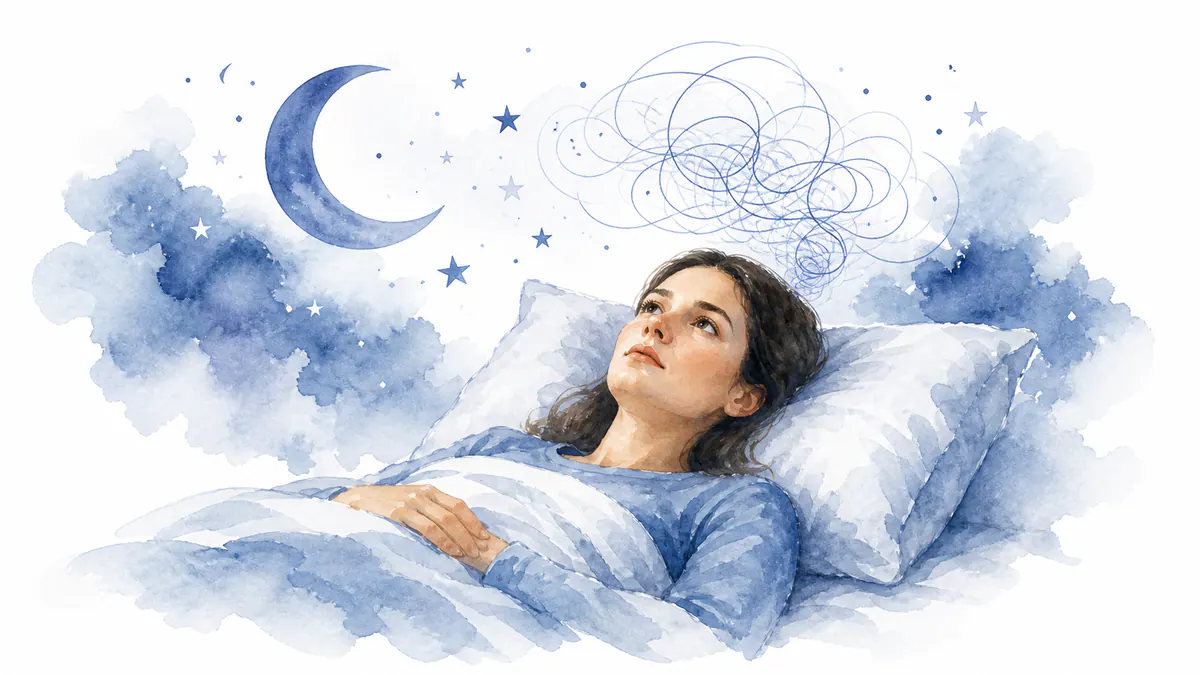
Does the commute suddenly turn into terror one day, and even simple tasks feel like a giant wall?Burnout, where both physical and mental fuel are exhausted, is not a simple lack of will, but a final SOS signal from your body. Do not worry and blame yourself alone. Baekrokdam will breathe life back into your extinguished vitality.
Burnout is a complex condition that causes an overall decline in physical function beyond simple mental fatigue. Baekrokdam Korean Medicine Clinic offers a systematic, customized Korean medicine solution through an integrated approach that replenishes depleted vital energy (Qi) and corrects misaligned blood circulation, helping you regain the joy of daily life and return to society healthily.
Core disease information at a glance
- Other names
- Burnout, Job Burnout, Emotional Exhaustion, Occupational Burnout, Burnout Syndrome
- Hanja
- 燃燒症候群
- Classification
- Work-related chronic stress response (Listed in WHO ICD-11)
- Main symptoms
- 정서적 소진·이인화(무감각)·성취 저하, 3축
- Accompanying symptoms
- Chronic fatigue, Insomnia, Somatization (Headache/Digestion), Depression, Autonomic dysfunction
- Primary Affected Groups
- Office workers, teachers, medical staff, working moms, childcare providers, emotional laborers
- Traditional Korean Medicine Diagnosis
- Heart-Blood Deficiency + Kidney-Essence Deficiency + Liver Qi Stagnation + Autonomic Nervous System Imbalance
- Treatment
- Herbal medicine for autonomic/heart-blood/kidney-essence recovery + Rest guide + (If necessary) Western medicine collaboration
- Treatment Period
- Initial 3–6 months / Chronic 6–12 months
- 진료 방식
- 상태에 따라 대면·비대면 여부를 의료진이 판단
증상부터 생활관리까지
번아웃 증후군의 세부 안내를 확인하세요
Commonly heard in the consultation room
Many patients visit with these symptoms
Suddenly I don't want to do anything, and going to work is terrifying.
Tasks that used to be easy are now difficult; even writing a single email is exhausting.
I tear up at minor criticism and can't control my emotions at all.
I'm frustrated because I don't know why I'm like this, and my lethargy is severe.
Everything feels meaningless, and I'm just barely getting through each day.
Fatigue persists even after enough sleep, and my judgment isn't what it used to be.
I've become cynical about work and increasingly irritable with my colleagues.
Resting on weekends doesn't feel like resting, and chronic fatigue persists.
Meeting people is draining and exhausting, so I find myself avoiding them.
My insomnia is so severe that my only wish is to get a good night's sleep.
My heart keeps racing and I've lost my appetite, so I've lost weight rapidly.
Between three-shift work and emotional labor, my body has completely broken down.
My neck and shoulders hurt so much, and the tension headaches are driving me crazy.
My chest always feels tight because of the anxiety that everything will end if I close my shop.
My stomach always feels bloated and I have indigestion, making my body feel heavy as lead.
I see no hope for the future, and every part of my body aches.
These are expressions often heard in the consultation room. If this sounds like you, you might want to suspect burnout syndrome.
Consult via non-face-to-face treatment →What is Burnout Syndrome?
Burnout Syndrome is a condition where the three-axis symptoms of "emotional exhaustion + depersonalization (numbness) + reduced personal accomplishment" caused by chronic stress from work or roles persist for more than 6 months. It is listed as an "occupational phenomenon" in the WHO ICD-11 and is particularly common among office workers, teachers, medical staff, working moms, and emotional laborers.
In Korean Medicine, burnout is viewed as'심혈부족 + 신정부족 + 간기울결 + 자율신경 불균형'a chronic combination of. Accumulated stress consumes heart-blood, weakens kidney-essence, and blocks liver-qi, creating a state where "recovery does not occur even with rest." Herbal medicine treats all of these in an integrated manner.
Let's address one misconception.Burnout is not a "lack of willpower." 자율신경·내분비·면역의 깊은 변화이고, 의지로 극복하는 게 아니라 신체의 회복이 필요한 영역입니다. 또 "퇴사하면 낫는다"도 부분만 맞아요, 만성 번아웃은 환경 변화 후에도 신체 회복에 시간이 걸립니다.
In Western medicine, there is no standalone diagnosis, but it is listed as an "occupational phenomenon" in ICD-11, and accompanying depression, anxiety, and chronic fatigue syndrome are prescribed as separate diagnoses. Korean medicine views burnout itself through integrated pattern identification, so the direction of prescription is clear.
Burnout isChronic Stress + Lack of Recovery Opportunities + Individual Resiliencethe result of.
번아웃 증후군 주요 원인, 어떻게 누적되는가
- 1 Chronic occupational stress
Accumulation of overwork, high intensity, and overload for over 1-2 years is the core cause.
- 2 Emotional labor
Cumulative burden of emotional suppression and absorbing others' emotions in roles like teachers, nurses, and customer service
- 3 Loss of sense of control
Lack of control over schedule and decision-making accelerates helplessness.
- 4 Lack of social support
If support from colleagues, family, or self-care is weak, recovery does not accumulate.
- 5 Hormonal fluctuations
임신·산후·갱년기에 번아웃 발현 위험이 폭증해요
Burnout is3-axis symptoms + somatizationis diagnosed as.
번아웃 증후군 주요 증상, 환자가 실제로 느끼는 것들
Emotional and cognitive domains
- 정서적 소진, 감정의 고갈, 더 줄 게 없는 느낌
- 이인화 (무감각), 일·관계에 대한 냉소·무감각·거리감
- 성취 저하, 자신감·효능감 상실, 무력감
- 정서 둔화, 기쁨·슬픔 모두 약해진 감정의 평탄함
Somatization and immune domains
- Chronic fatigue (not relieved by sleep)
- Sleep disorders (difficulty falling asleep, early morning awakening)
- Headache, indigestion, abdominal pain
- Palpitations, autonomic dysfunction
- Frequent colds, weakened immunity
Burnout isSystemic physical symptoms come together.
If physical symptoms are present togetherIntegrative approach of Korean medicine is particularly effective.
Chronic burnout syndrome, Baekrokdam's approach
Summary, 번아웃은 휴식만으로 회복 안 되는 자율신경·내분비의 깊은 변화예요. 한약으로 심혈·신정·자율신경을 회복해 "휴식이 통하는 몸"으로 만들어요.
Why Baekrokdam focuses on herbal medicine
The goal of herbal medicine is not just to suppress external symptoms, but to create a body that recovers on its own without medication.
Burnout isAn area where Western medicine alone has no treatment. SSRIs only address comorbid depression, and Concerta only addresses comorbid ADHD. For the essence of burnout—chronic fatigue, autonomic collapse, and weakened immunity—Western medicine has few answers beyond "get some rest."
Herbal medicine directly restores the autonomic nervous system, heart-blood, and kidney essence. If Western medicine is "symptom-specific blocking," herbal medicine is "rebuilding the body's own resilience." It creates a body where rest works, building a foundation so that burnout does not recur even when returning to the same work or relationships.
Why it doesn't show up well on tests
Tests look at numerical values and structures, but the essence is often a 'body imbalance' that is not easily caught by tests.
Western medical tests (fatigue scale, MBI burnout inventory)Severity of symptomslook at these, but they do not comprehensively examine autonomic nervous system status, endocrine, and immune patterns. That's why the question "Why am I so tired when the tests are normal?" remains.
Korean medicine'Deficiency of Heart-Blood + Deficiency of Kidney-Essence + Stagnation of Liver-Qi + Autonomic Nervous System Imbalance'is diagnosed as a chronic combination of. We design the person's recovery path by synthesizing emotional, sleep, digestive, and immune status.
그래서 어떻게 치료하느냐, 백록담의 방식
We examine the whole body through medical inquiry, pulse diagnosis, and abdominal diagnosis, and resolve the root cause together with herbal medicine.
We look at the mind, body, relationships, and environment as a whole. The combination of rest and herbal medicine is key.
- Burnout self-diagnosis + Pattern identification, MBI 척도·증상 패턴·자율신경 상태·동반 우울/불안 평가
- Pattern-specific herbal medicine, 심혈부족·신정부족·간기울결 비율에 맞춘 처방으로 자율신경·내분비·면역 회복
- Rest and environment guide, 단계적 휴직·근무 조정·인간관계 정리 가이드와 함께 한약 진행
On top of thisAcupuncture treatment(GV20, HT7, CV4, KI3) andSleep and diet guideare performed in parallel to accelerate the recovery speed.
Clinical Pattern Differentiation of Burnout Syndrome
Burnout also has different roots for each patient. It is largely divided into 4 types.
Heart-Blood Deficiency Type心血不足
Those with prominent insomnia, palpitations, memory loss, and emotional numbness
Treatment Direction: Nourishing Blood and Calming the Mind(補血安神)
Kidney-Essence Deficiency Type腎精不足
Those whose core symptoms are deep lethargy, loss of motivation, and chronic fatigue (especially during menopause)
Treatment Direction: Tonifying the Kidney and Benefiting the Essence(補腎益精)
Liver Qi Stagnation Type肝氣鬱結
Those with prominent anger and frustration due to emotional labor and relationship stress
Treatment Direction: Soothing the Liver and Relieving Stagnation(疏肝解鬱)
Spleen-Stomach Deficiency Type脾胃虛弱
Those with weak digestion, appetite fluctuations, and chronic fatigue (especially working moms/childcare)
Treatment Direction: Strengthening the Spleen and Benefiting Qi(健脾益氣)
Adjusting the proportion according to the patient's stage,Autonomic nervous system, emotional, and physical recovery every 2–4 weeksAdjust the prescription by checking .

Progress of Burnout Syndrome Treatment by Stage
- 1~2개월 차, 진단과 응급 안정화
Soothe current exhaustion and begin the rest guide.
- 한약 복용을 정착시키고 응급 증상(불면·심계·소화불량)을 진정
- Guide for short-term leave or work adjustment if necessary
- Sleep recovery clearly begins
- 2~6개월 차, 자율신경·내분비 회복
A period to create a "body where rest works" through the recovery of heart-blood and kidney-essence.
- Chronic fatigue recovers and rest becomes effective
- Emotional blunting softens and interest in work and relationships returns
- Physical symptoms (headache, digestion, immunity) stabilize
- 6~12개월 차, 일상 복귀와 재발 방지
This is the stage of building a foundation so that burnout does not recur even when returning to work or the same environment.
- Check if stability is maintained even after gradual reduction of herbal medicine
- Block recurrence by supplementing constitutional weaknesses (heart-blood, kidney-essence, liver-qi)
- Establishment of work, relationship, and self-care patterns
Burnout treatment consists of 4 stages: diagnosis, stabilization, recovery, and prevention of recurrence.
Chronic burnout (1 year or more) or comorbid depression, menopause, or postpartumisLong-term comorbidity of 1 year or moremay be needed.
진료를 더 구체적으로 시작하려면
번아웃 증후군 진료 전에 준비하면 좋은 정보
검사·진료 자료
기존 검사·진료 자료가 있다면: 번아웃 증후군과 관련해 받은 혈액검사·영상검사·신경전도검사 등 기존 검사 결과와 처방전
복용 중인 약
현재 복용 중인 약은 처방전·약 봉투·약 이름 사진 또는 복용 목록으로, 건강기능식품과 함께 정리해 주세요
증상과 변화
관찰해 오면 좋은 변화: 출근 전 탈진, 업무 거리감·집중과 퇴근 뒤 회복. 번아웃 증후군과 관련해 느끼는 증상(정서적 소진, 감정의 고갈, 더 줄 게 없는 느낌·이인화 (무감각), 일·관계에 대한 냉소·무감각·거리감·성취 저하, 자신감·효능감 상실, 무력감)의 빈도와 강도도 함께 적어 주세요
이전 치료 반응
이전 치료의 반응: 치료명과 기간, 좋아진 점·남은 불편·중단한 이유·이상반응, 다시 악화된 시점을 함께 적어 주세요

이전 치료 뒤에도 불편이 남거나 다시 반복되나요? 지금까지 받은 검사·치료와 그 뒤 달라진 점을 적어 주세요. 거리가 있어 내원이 쉽지 않아도 먼저 문의하시면 의료진이 대면·비대면 중 적합한 진료 방식을 안내합니다.
A period to create a "body where rest works" through the recovery of heart-blood and kidney-essence.
Conditions often confused with burnout syndrome
Burnout needs to be differentiated from other chronic fatigue and mental health disorders.
Unexplained fatigue for over 6 months. Burnout has job stress as a clear cause.
Emotional disorder unrelated to environment. Burnout recovers to some extent when away from work.
Overlaps with somatization of burnout. Managed together through an integrated Korean medicine approach.
코르티솔 부족으로 인한 만성 피로. 번아웃과 자주 동반, 한방 통합 가능
Similar chronic fatigue and emotional blunting. Differentiation via Western medical tests is essential.
Burnout syndrome treatment reviews
Burnout Syndrome Frequently Asked Questions
번아웃 증후군에 좋은 음식은 무엇인가요?
규칙적인 식사와 단백질·통곡물·채소를 포함한 균형식으로 에너지 변동을 줄이는 것이 좋아요. 과도한 카페인·에너지음료와 과음은 수면과 불안을 악화시킬 수 있으며, 음식만으로 업무 환경과 우울·불안을 해결할 수는 없습니다. 백록담에서는 심비양허·기허·간울을 함께 살핍니다.
번아웃 증후군 검사는 어떻게 하나요?
특정 혈액검사로 확진하는 병명은 아니며 업무 관련 소진·냉소·효능감 저하와 수면·기분·기능 영향을 면담하고 척도로 평가해요. 빈혈·갑상선·수면질환과 우울증을 감별하며 자해 생각이나 일상 유지가 어려우면 정신건강 전문 진료가 우선입니다.
I can't take a break from work right now; will treatment help improve my work efficiency?
In Oriental medicine, burnout is viewed as 'Qi and Blood Deficiency,' a state of depleted energy. Forcing operation without fuel not only reduces efficiency but also damages the body's self-healing power. At Baekrokdam, we replenish deficient vital energy (Jeong-gi) and facilitate the flow of blocked energy, creating a physical foundation that allows you to focus on work naturally rather than just enduring it. While rest is best, if you cannot rest, Oriental medicine treatments that increase the body's resilience can be of practical help.
Herbal medicine is a financial burden; does it have a long-term effect on preventing recurrence?
Burnout is very likely to recur if the environment does not change. Oriental medicine treatment does not simply suppress symptoms temporarily but focuses on strengthening the energy of the 'Heart and Gallbladder (Sim-dam)' to resist stress. Customized herbal medicine tailored to your constitution reinforces 'Heo-ro' (consumptive disease), the root cause of chronic fatigue, building physical durability to overcome daily stress on your own even after treatment. This can be an economical choice in the long run by reducing frequent hospital visits and work absences.
I can't sleep even after taking sleep inductors; can Oriental medicine improve the quality of my sleep?
Sleep inductors force the brain to suppress activity to induce sleep, but you may feel less refreshed after waking up. In Korean medicine, this is viewed as 'deficiency of both the heart and spleen' or 'deficiency of the heart and gallbladder with fear,' and treatment is provided to stabilize the anxious mind and replenish deficient blood (血). Rather than artificial suppression, it creates an environment where the body can fall into a deep sleep on its own, helping to restore sleep rhythms and regain vitality even in irregular lifestyles such as shift work.
I thought it was a psychological issue, but is severe neck and shoulder pain also a symptom of burnout?
Yes, that's correct. Burnout is often accompanied by somatic symptoms. Excessive psychological tension causes 'liver qi stagnation,' which contracts muscles throughout the body and creates chronic pain. Heavy pain in the neck and shoulders and headaches are danger signals from the mind. At Baekrokdam, we perform integrated treatment that physically relaxes tense muscles with acupuncture and pharmacopuncture, and lowers internal fire (火) with herbal medicine to manage both physical pain and psychological anxiety simultaneously.
I am taking Western antidepressants or anti-anxiety medications; is it okay to combine them with Korean medicine treatment?
Yes, they can be taken together. Western medicine has strengths in acute emotional regulation, while Korean medicine is effective for restoring systemic vitality and alleviating side effects such as dry mouth and indigestion caused by medication. Baekrokdam establishes a complementary Korean medicine treatment plan considering the medications you are currently taking. Especially for those who want to gradually reduce drug dependency, Korean medicine treatment is an excellent partner that enhances the body's self-healing power.
How does Korean medicine diagnose burnout and determine the direction of treatment?
Baekrokdam performs objective tests such as stress index measurement along with pulse and tongue diagnosis. We define burnout not as simple fatigue but as the 'loss of vital energy (精氣),' and provide 1:1 customized treatment according to individual pattern identification, such as 'liver qi stagnation type' where stress is stagnant, or 'heart-spleen deficiency type' where nutrition and blood are lacking. Beyond simple advice to rest, Baekrokdam's treatment goal is to directly provide the energy needed to stand up again.
How do you distinguish between burnout syndrome and depression?
Burnout syndrome is primarily caused by emotional exhaustion occurring in the context of excessive work or specific stressful situations. While depression is a state of losing motivation in overall daily life, burnout syndrome is characterized by a sharp drop in work efficiency and becoming uniquely cynical only about one's job. However, if lethargy in office workers becomes prolonged, it can transition into depression, so it is important to find peace of mind and body through Korean medicine treatment.
My body feels heavy and it's so hard to wake up in the morning; is this also a symptom of burnout?
It might not just be a lack of sleep, but a typical physical signal that appears when mental and physical exhaustion deepens. In a state of adrenal fatigue syndrome where the body's energy is depleted, fatigue does not easily resolve even with sufficient rest, and the body feels incredibly heavy every morning. In such cases, it is helpful to gradually adjust the collapsed condition through herbal medicine or acupuncture treatment that replenishes vitality and balances the autonomic nervous system.
Special conditions to consider alongside burnout syndrome
These are chronic diseases that often appear with or are easily confused with burnout.
근거와 검토 정보
번아웃 증후군 안내에 참고한 자료
아래 자료는 질환의 일반적인 정의·증상·검사·안전 기준을 확인하는 데 사용했습니다. 백록담의 진료 관점은 이 자료의 결론을 그대로 옮긴 것이 아니며, 개인에게 적용할 때는 진찰과 검사 결과를 함께 봐야 합니다.
콘텐츠 검토 기준일:
- NIH/PMC - Therapy of the burnout syndrome
이 자료에서 확인한 범위치료·관리에 관한 연구의 설계·결과와 해석 범위를 확인하기 위한 원문
- PubMed - Burnout syndrome: diagnosis, principles of treatment, prophylaxis
이 자료에서 확인한 범위검사·진단·치료·관리에 관한 연구의 설계·결과와 해석 범위를 확인하기 위한 원문
- Mayo Clinic - How to Recover from Burnout Syndrome
이 자료에서 확인한 범위정의·일반 의학정보에 관한 의료기관·전문단체의 일반 의학정보를 확인하기 위한 자료
함께 보면 좋은 문서
다음으로 보면 좋은 자료
현재 보고 있는 문서Burnout Syndrome
관련 주제와 진료 정보를 이어서 확인하면 이해가 더 빠릅니다.
이 페이지의 요약과 검수 정보
검수 의료진
최연승 한의사 Chief Director
페이지 요약
번아웃 증후군은 일이나 역할에서 받은 만성 스트레스로 정서적 소진·무감각·성취 저하가 이어지는 직업적 현상입니다. 직무 스트레스라는 원인이 뚜렷하고 일에서 벗어나면 일부 회복되는 점에서 환경과 무관하게 지속되는 우울증과 구분합니다.
이 페이지가 다루는 내용
- 무엇을 설명하나요
- 일 때문에 감정이 고갈되고 무기력한 상태가 계속되면 번아웃인가요?
- 어떤 상황을 다루나요
- 장기간 직무 스트레스 뒤 정서적 소진·냉소·성취감 저하와 만성 피로가 생긴 분을 위한 내용입니다.
- 무엇을 구별해서 보나요
- 번아웃은 직무 스트레스와 연결되고 일에서 벗어나면 일부 회복되지만 우울증은 환경과 무관하게 지속될 수 있습니다.
- 어떻게 이해하면 되나요
- 피로와 정서 둔화가 오래가면 우울증·만성피로증후군·갑상선 기능 저하와 감별해야 합니다.
핵심 내용
- 번아웃 증후군은 일과 역할의 만성 스트레스로 정서적 소진·무감각·성취 저하가 이어지는 상태입니다.
- 정서적 소진·냉소·효능감 저하와 잠으로 풀리지 않는 피로·수면장애가 나타날 수 있습니다.
- 번아웃은 직무 스트레스가 명확하고 일에서 벗어나면 일부 회복된다는 점이 우울증과 다릅니다.