
Oriental Medicine Treatment for Other Diseases and Aftereffects
Concussion Aftereffects · Post-Concussion Syndrome · Post-Traumatic Syndrome· Post-Concussion Syndrome
Incheon Songdo Baekrokdam Korean Medicine Clinic
Functional decline of the brain that cannot be detected by tests; we resolve blood stasis with herbal medicine and restore brain function.
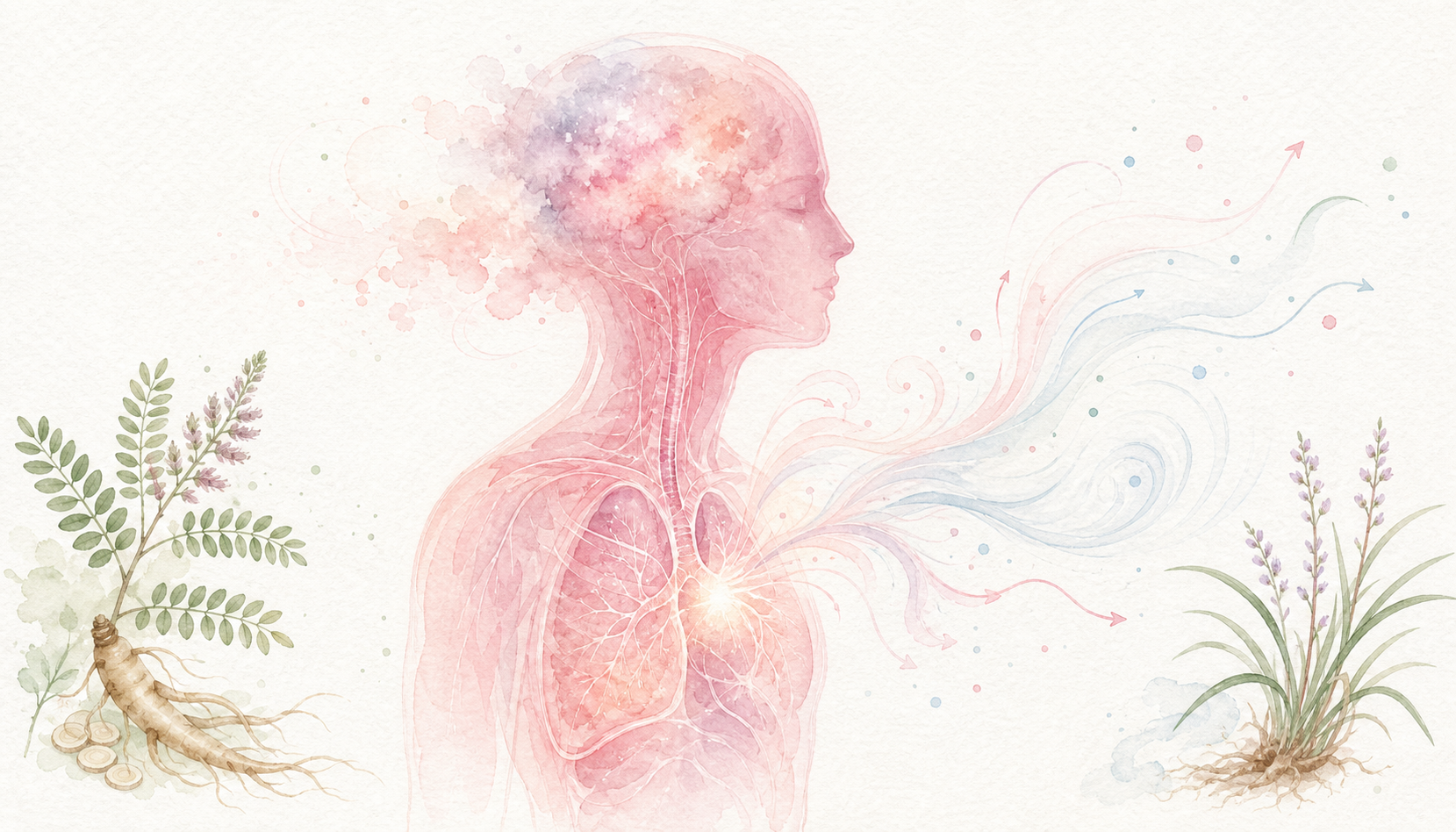
Do you feel a brain fog and nausea even though the test results are normal?If you have only been taking painkillers, this page may provide the answer.
Concussion aftereffects are not caused by structural damage to the brain, butIssues of blood stasis and disrupted energy caused by impactBaekrokdam unties those tangled knots with herbal medicine.
Key disease information at a glance
- Other names
- Post-concussion syndrome, post-traumatic encephalopathy, Eohyeol (blood stasis)
- Hanja
- 腦震盪 後遺症 (Post-concussion sequelae)
- Classification
- Other diseases · Sequelae
- Main symptoms
- Headache, dizziness, brain fog, light/noise sensitivity, anxiety
- Main Causes
- Traffic accidents, falls, sports injuries, physical impact
- Diagnosis
- Pulse, abdominal, and inquiry diagnosis — Determining qi-blood circulation and blood stasis
- Treatment
- Focused on herbal medicine for removing blood stasis and restoring brain function
- Treatment Period
- Basic 2-3 months (6 months or more for chronic cases)
- Telemedicine
- Possible
Commonly heard in the clinic
Many patients visit using these expressions
These are expressions often heard in the clinic. If this sounds like you, you may want to consider post-concussion syndrome.
Consult via telehealth →What is post-concussion syndrome?
Post-concussion syndrome occurs when there is no structural damage to the brain from an external impact, buta state where brain function is decreased and various symptoms persistit refers to. It is usually diagnosed when symptoms persist for 2 weeks to more than 3 months.
In Korean medicine, this is viewed within the categories ofBlood Stasis (瘀血)andQi Reversal (氣逆). Due to the impact, blood stagnates and the flow of energy is reversed, leading to a lack of mental clarity and pain.
In particular, heart palpitations areJeongchung (Palpitations), dizziness isHyeonhun (Vertigo)The Donguibogam also provides in-depth coverage of the mental and physical shocks that appear after trauma.
Western medical tests often result in a 'no abnormality' diagnosis, but patientsBrain fog or sensory sensitivityexperience significant disruption in daily life. This is a signal that microcirculatory disorders in the brain have not been resolved.
Medical Staff

Chief DirectorDr. Yeonseung Choe
Many people find that their daily lives are not the same after hitting their head. While CT or MRI scans are normal, they suffer from a foggy head (brain fog) and sensitivity to small sounds. Post-concussion syndrome is not resolved simply by the passage of time; the 'stagnant blood' (eohyeol) and disrupted 'energy' (gi) caused by the trauma must be fundamentally corrected. We will help you find a path to recovery through Korean medicine so that your fogged mind clears and you can return to the peaceful daily life you had before the accident.
- Graduated from Gyeonggi Science High School
- Graduated from Kyung Hee University, Pre-medical course in Korean Medicine
- Graduated from Kyung Hee University, College of Korean Medicine
- Current) Chief Director of Baekrokdam Korean Medicine Clinic
- Former) Chief Director of Miol Korean Medicine Clinic, Incheon Songdo Branch
- Former) Director of Miol Korean Medicine Clinic, Gangnam Main Branch
- Former) Chief Director of Dolbom Korean Medicine Clinic, Seocho Main Branch
- [Publications]
- Overcoming Polycystic Ovary Syndrome
- Overcoming Chronic Vaginitis - Symptoms, Causes, and Treatment
- Post-Miscarriage Care as Important as Postpartum Care: Herbal Medicine A to Z
The brain is a very soft tissue, so it can be damaged in various situations beyond direct impact.

Main Causes of Concussion Aftereffects — How They Accumulate
- 1 Traffic Accidents (Whiplash Injury)
When a vehicle collides, the neck and head shake back and forth, delivering micro-shocks to the brain.
- 2 Falls and Slips
When hitting the head after falling on icy roads or in the bathroom, blood stasis occurs in the vessels around the brain.
- 3 Sports Injuries
Collisions during games or repeated light impacts can gradually impair brain function.
- 4 Falls in the Elderly
As one ages, the brain's self-healing capacity weakens, causing aftereffects from light impacts to persist longer.
- 5 Psychological Trauma
The fear at the time of the accident can be imprinted on the autonomic nervous system, increasing neural sensitivity.
Concussion aftereffects manifest as a complex combination of physical pain and cognitive/emotional changes.
Main Symptoms of Concussion Aftereffects — What Patients Actually Experience
Physical and Cognitive Domain
- Persistent headaches — Recurring heavy or stabbing pain in the head
- Dizziness and nausea — Feeling like the world is spinning or feeling sick to the stomach, making eating difficult
- Brain fog — Feeling dazed as if there is a fog in the head, with a significant decrease in concentration
- Sensory hypersensitivity — Headaches and sensitive reactions to bright lights or small noises
Emotional and Autonomic Nervous System Domain
- Unexplained anxiety and heart palpitations
- Easily fatigued and unable to sleep deeply
- Decreased memory, frequently forgetting things just done
- Difficulty regulating emotions and getting irritated by trivial matters
- Back of the neck and shoulders always feel stiff and heavy
Psychological changes also occur due to imbalances in the nervous system.
If these symptomsIf they do not disappear even after 2 weeks following the accidentActive Korean medicine treatment is required.
Chronic concussion sequelae, Baekrokdam's approach
Summary— The essence is not simply blocking pain signals, but normalizing the circulation system around the brain that was tangled by the impact.
Why Baekrokdam focuses on herbal medicine
The goal of herbal medicine is not just to suppress external symptoms, but to create a body that can recover on its own without medication.
Western medical prescriptions (painkillers, sedatives, etc.)temporarily alleviate current symptomsfocus on their specific role. However, headaches or dizziness often recur once the medication wears off. This is because the functional decline itself has not been resolved.
Herbal medicine removes blood stasis from the microvessels around the brain and improves the nutritional status of the cranial nerves.Cognitive decline symptoms, such as brain fog, will only fundamentally disappear when the autonomic nervous system, sensitized by the impact, is stabilized and cerebral blood flow is smoothed.
Why it doesn't show up well in tests
Tests look at numerical values and structures, but the essence is often a 'body imbalance' that is not easily captured by tests.
CT or MRI scans performed at university hospitalsphysical damage such as cerebral hemorrhage or fracturescheck for these. However, post-concussion syndrome is a state where the signal transmission system between brain cells is disrupted or microcirculation is blocked. This does not appear on imaging tests.
Therefore, just because the test results are normalThe patient's pain is not fake. This is because the 'function' of the brain has deteriorated, not its structure. Korean medicine precisely reads that 'state' through pulse diagnosis, abdominal tenderness, and systemic symptoms.
So how do we treat it — The Baekrokdam method
We examine the entire body through inquiry, pulse diagnosis, and abdominal diagnosis, and resolve the root cause together with herbal medicine.
The brain is like a mirror reflecting the state of Qi and blood throughout the entire body. Therefore,Treatment that balances the entire bodyis necessary.
- Pulse Diagnosis (脈診)— We determine the direction of the prescription by identifying whether blood stasis is stagnant (choppy pulse) or if the heart is beating anxiously (rapid pulse)
- Medical Interview— Detailed analysis of subjective symptoms, such as the situation at the time of the accident, sleep patterns, and sensitivity to light/noise
- Abdominal Examination— Check for the presence of blood stasis and the sensitivity of the autonomic nervous system through abdominal pressure points
Based on the information identified in this wayHerbs that remove blood stasis and herbs that stabilize the cranial nerveswe blend them according to the constitution. It is not simply a 'headache remedy,' but a comprehensive prescription that creates an environment where the brain can recover on its own.
Differentiation of post-concussion syndrome observed in clinical practice
Post-concussion syndrome is largely divided into four types depending on the cause and constitution.
Blood Stasis Accumulation Type瘀血阻滯
Those who experience piercing headaches due to blood clotting from the impact, with pain worsening at night
Treatment Direction: Activating Blood and Removing Stasis (Hwalhyeol-geo-eo)
Qi Reversal and Upward Surge Type氣逆上衝
Those who experience severe dizziness, nausea, and a feeling of heat rising as energy surges toward the head
Treatment Direction: Descending Qi and Calming the Spirit (Ganggi-ansin)
Heart and Gallbladder Deficiency/Fright Type心膽虛怯
Those who experience heart palpitations after the accident, are easily startled by small noises, and suffer from insomnia
Treatment Direction: Calming the Heart and Stabilizing the Will (Jinsim-jeongji)
Liver and Kidney Yin Deficiency Type肝腎陰虛
Those with chronic symptoms, lacking energy, experiencing memory loss, blurred vision, and a heavy feeling in the head
Treatment direction: Nourishing the Liver and Kidney (滋補肝腎)
Depending on the patient's condition, these types are applied in combinationPersonalized prescriptionto compose the treatment.

Step-by-step progress of post-concussion syndrome treatment
- Month 1 — Blood Stasis Removal Phase
This period focuses on resolving stagnant blood stasis around the brain and stabilizing intracranial pressure.
- Intensity of sharp headaches begins to decrease
- Nausea and dizziness are relieved, making meals more comfortable
- Sleep quality improves, and the head gradually clears up in the morning
- Months 2-3 — Functional Recovery Phase
This is the stage where nutrients are supplied to the cranial nerves and cognitive functions are restored.
- Brain fog decreases and concentration recovers to pre-accident levels
- Sensitivity to light and noise decreases, enabling daily work
- Anxiety and palpitations disappear, and emotional stability is restored
- Months 3-4 — Stabilization and Strengthening Phase
This is the period for consolidating recovered brain functions and preventing recurrence.
- Management to ensure headaches do not recur during long hours of work or study
- Maintaining a healthier condition than before the accident through supplementation of Qi and Blood
- Fully restore autonomic nerve balance to strengthen stress resistance
Brain function recovery begins with unblocking tangled Qi and blood, and recovery speed varies depending on the patient's baseline physical strength.
In cases where chronic headaches or cognitive decline have already become establishedConsistent treatment for 6 months or more may be required, but it is important not to give up until the end.

Consult comfortably via non-face-to-face services for your current concerns.Herbal medicine prescriptions are available from anywhere in the country.
In cases where chronic headaches or cognitive decline have already become establishedConsistent treatment for 6 months or more may be required, but it is important not to give up until the end.
Diseases often confused with post-concussion syndrome
These are diseases with symptoms similar to post-concussion syndrome that require differential diagnosis.
Unstoppable vomiting, clouded consciousness, and paralysis in one arm or leg occur. This is an emergency and requires immediate detailed examination.
Headaches caused by problems in the neck joints; often accompanies concussions, but pain is managed only when neck treatment is performed concurrently.
Severe vertigo occurs only when turning the head in a specific direction. Post-concussion syndrome often involves a foggy feeling and dizziness regardless of movement.
Fear and avoidance reactions due to memories of the accident predominate over physical pain. In Korean medicine, this is viewed as Sim-Dam-Heo-Geop and treated accordingly.
Concussion sequelae treatment reviews
Frequently Asked Questions about Concussion Sequelae
How does Korean medicine view concussion sequelae?
In Korean medicine, this is viewed as a state of 'Eohyeol' (stagnant blood) caused by external impact and 'Giyeok' (reversal of qi). Since the cause is the blockage of circulation in the microvessels around the brain, cutting off the nutrient supply, we proceed with treatment to clear the stagnant blood and help stabilize the cranial nerves.
My CT or MRI scans are normal, so why do I still feel pain?
That is the most frustrating part for patients with concussion sequelae. Imaging tests only detect 'structural abnormalities' such as cerebral hemorrhage or fractures. However, actual pain comes from 'functional decline' of the brain. Our role is to identify the minute circulatory disorders and nerve sensitivity that tests cannot detect through Korean medicine diagnosis.
Several months have passed since the accident; will taking herbal medicine still be effective?
Yes, absolutely. In cases where symptoms have become chronic due to insufficient initial response, Korean medicine treatment to reinforce qi and blood and remove stagnant blood is essential. Brain function can only return to normal once the 'stagnant blood'—which does not heal on its own over time—is removed.
Can brain fog (mental cloudiness) also be improved?
Yes, it is possible. Brain fog appears when the brain's metabolic function drops and inflammatory responses persist. By increasing cerebral blood flow and calming nerve inflammation through herbal medicine, you can feel your head clear and your concentration recover, as if a fog is lifting.
Is it possible to be prescribed herbal medicine through non-face-to-face consultation?
Yes, it is. Baekrokdam has a nationwide non-face-to-face consultation system. Even if you have difficulty moving after an accident or live far away, you can receive herbal medicine tailored to your symptoms and constitution through a detailed telephone interview and have it delivered via courier.
How long is the expected treatment period?
It varies depending on the severity of symptoms and the onset time, but we generally recommend 2 to 3 months of intensive treatment. For elderly patients or those whose symptoms have become chronic after being left untreated for several months, long-term reinforcement of qi and blood and management for 6 months or more may be necessary.
Are concussion sequelae and post-traumatic headaches the same disease?
Concussion sequelae refer to a state where various symptoms, including post-traumatic headaches, dizziness, and cognitive decline, appear complexly. It is not just about head pain, but a syndrome where functional damage to the brain has not recovered, causing inconvenience in daily life. Therefore, comprehensive management is needed to not only relieve pain but also help stabilize the cranial nervous system.
My head feels foggy and I can't concentrate after the accident; is this a concussion sequela?
Yes, if you felt fine immediately after the accident but later experience symptoms such as a ringing head or brain fog, there is a high possibility of concussion sequelae. Even if there are no abnormalities on imaging tests, patients can continue to feel subjective discomfort such as mental cloudiness, tinnitus, or vertigo. In Korean medicine, this is viewed as a problem of minute stagnant blood around the brain, and we help recovery by promoting the flow of qi and blood.
Other conditions to consider alongside post-concussion syndrome
Please check for other symptoms related to brain function and neurological issues.