
Autonomic Nerve · Circulation Oriental Medicine Clinic
Orthostatic Hypotension · Orthostatic Presyncope · Orthostatic Dizziness· Orthostatic Hypotension
Incheon Songdo Baekrokdam Oriental Medicine Clinic
Dizziness when standing up; recover by filling the autonomic nerve's regulatory power and Qi and blood.
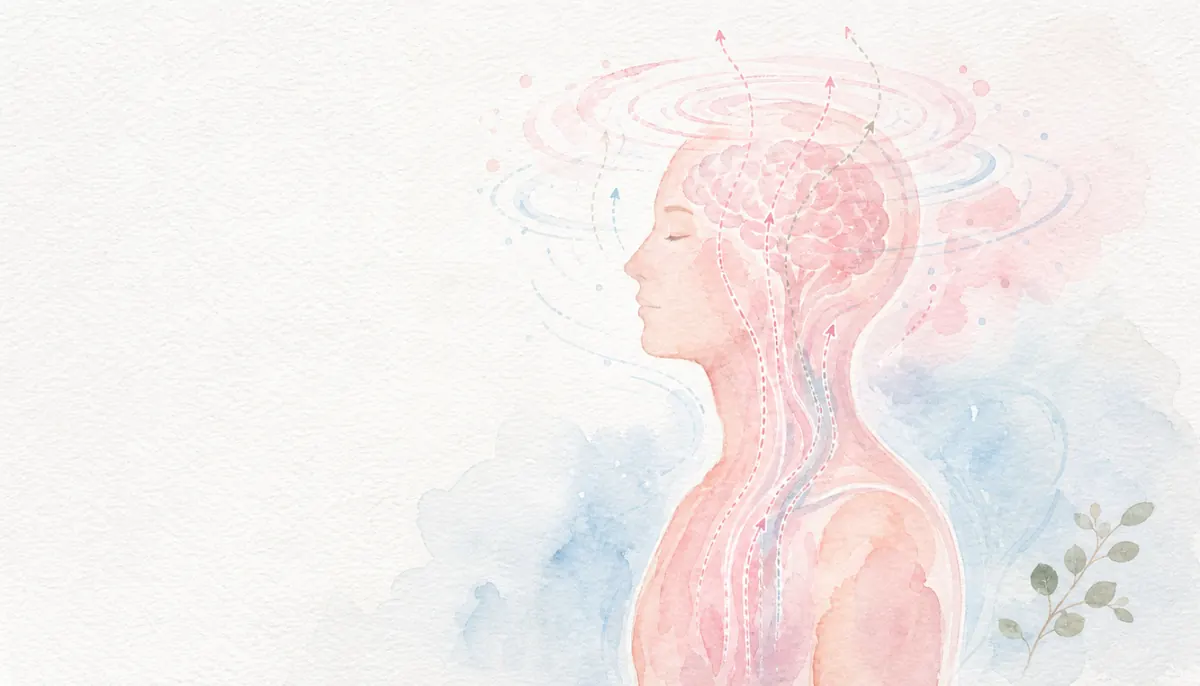
Do you feel a spinning sensation and darkness before your eyes when standing up, but tests say it's not anemia?It can be too unstable and dangerous for your daily life to simply dismiss it, thinking "I'll be fine after a short rest."
Orthostatic Hypotension은 단순히 피가 부족한 게 아니라, 중력을 이기고 혈액을 머리까지 보내는 자율신경의 조절력이 약해진 상태거든요. 백록담은 이 "조절의 힘"을 회복하는 데 집중합니다.
Core disease information at a glance
- Other names
- Orthostatic dizziness, autonomic hypotension
- Hanja
- 起立性 低血壓 (Rise, Stand)
- Classification
- Autonomic · Circulatory system diseases
- Main symptoms
- Dizziness upon standing, visual impairment, presyncope, headache
- Possible comorbidities
- Chronic fatigue, indigestion, heart palpitations
- Diagnosis
- Tilt table test (Western medicine), pulse diagnosis, abdominal diagnosis, pattern identification (Korean medicine)
- Treatment
- Centered on herbal medicine (autonomic nerve regulation and reinforcement of Qi and blood)
- General treatment period
- Approximately 3 months (varies depending on condition)
- 진료 방식
- 상태에 따라 대면·비대면 여부를 의료진이 판단
증상부터 생활관리까지
기립성 저혈압의 세부 안내를 확인하세요
Commonly heard in the clinic
Many patients visit using these expressions
When I stand up, my vision goes dark and I have to lean against the wall
I thought it was anemia and took iron supplements, but it's the same
Dizziness has worsened since I started dieting
Getting out of bed in the morning is the scariest part
Even standing for a short time makes my head feel foggy and I break out in a cold sweat
I feel particularly more dizzy and drained of energy after eating
Dizziness occurs more frequently when I am stressed
They say all the test results are normal, but I feel dizzy every day
I almost fainted once when standing up after using the restroom
I'm afraid to go outside in the summer because I get dizzy
I feel lethargic and get short of breath even after walking just a little
I still feel tired even after sleeping, and it's hard to wake up in the morning
I suddenly feel dizzy when coming out of the shower
It's harder to stay standing still than it is to climb stairs
My head feels heavy and I keep losing focus
I want to go about my daily life without feeling dizzy, even without medication
These are expressions often heard in the clinic. If this sounds like you, you may want to suspect orthostatic hypotension.
Consult via telehealth →What is orthostatic hypotension?
It is a condition that occurs when blood pools in the lower body due to gravity upon suddenly standing up from a sitting or lying position, causing a momentary sharp drop in blood flow to the brain. It is diagnosed when systolic blood pressure drops by 20 mmHg or more.
In traditional Korean medicine, this isHyeon-un (眩暈), meaning it is viewed within the category of dizziness. In particular, it is defined as a state where the clear energy (Cheong-yang) that should ascend cannot do so, which is not simply a problem with the head but an issue of circulation energy throughout the entire body.
It is easily confused with anemia, but it is a completely different condition. Anemia is a matter of poor blood "quality," whereas orthostatic hypotension is a weakening of the "pump and regulator" that sends the blood. This is why people who see no effect from iron supplements visit Baekrokdam.
When the autonomic nervous system is healthy, it immediately constricts blood vessels in response to changes in posture to maintain blood pressure; however, when the autonomic nerves are exhausted, this response is delayed, leaving the brain temporarily starved. That is the reality of the spinning dizziness.
Orthostatic hypotension occurs due to the accumulation of various causes that weaken the regulatory power of the autonomic nervous system.
기립성 저혈압 주요 원인, 어떻게 누적되는가
- 1 Decreased regulatory capacity of the autonomic nervous system
This occurs when the nervous system that regulates blood pressure malfunctions due to stress, chronic fatigue, or diabetic complications.
- 2 Deficiency of Qi and Blood and decreased circulation
A state where energy to push blood up to the head is depleted after excessive dieting or suffering from a major illness.
- 3 Lack of lower body muscle mass
Lower body muscles act as a pump to push blood upward; if this strength is weak, it is difficult to maintain blood pressure upon standing.
- 4 Drug side effects
고혈압약, 전립선 비대증 약, 항우울제 등을 오래 복용하면 자율신경 반응이 둔해질 수 있습니다.
- 5 Decreased vascular elasticity due to aging
This refers to geriatric hypotension, which occurs when blood vessels cannot contract as elastically as they once did.
Beyond simple dizziness, signs of decreased circulation appear throughout the body.
기립성 저혈압 주요 증상, 환자가 실제로 느끼는 것들
Typical orthostatic symptoms
- 기립 시 시야 장애, 일어날 때 눈앞이 캄캄해지거나 하얗게 번쩍임
- 핑 도는 어지럼증, 순간적으로 중심을 잡기 어렵고 쓰러질 것 같은 느낌
- 실신 전조 증상, 식은땀이 나고 속이 메스꺼우며 정신이 아득해짐
Systemic and accompanying symptoms
- Chronic lethargy and extreme fatigue
- Stiffness in the back of the neck and a feeling of heaviness in the shoulders
- Decreased concentration and a "brain fog" phenomenon where the head feels clouded
- Drowsiness and dizziness that become particularly severe after meals
- Heart palpitations and unexplained anxiety
If blood flow is not regulated, not only the brain but the condition of the entire body collapses. Patients often report these symptoms as a set along with dizziness.
If these symptoms appear in combination, you should not simply rest but check your circulatory system.
Chronic Orthostatic Hypotension, Baekrokdam's Approach
Summary, 혈압 수치만 억지로 올리는 게 아니라, 왜 혈압 조절 능력이 떨어졌는지 그 뿌리를 찾아야 하거든요. 한약으로 몸의 순환 시스템 자체를 재정비합니다.
Why Baekrokdam Focuses on Herbal Medicine
The goal of herbal medicine is not just to suppress external symptoms, but to create a body that can recover on its own without medication.
Orthostatic Hypotension isIt is not an area that can be solved simply with blood pressure medication. 양방의 혈관 수축제는 즉각적인 효과는 있지만, 누웠을 때 혈압이 너무 높아지는 부작용이 생기기도 하거든요. 자율신경의 조절 능력을 회복하지 못하면 약을 끊었을 때 다시 제자리로 돌아가기 쉬워요.
Herbal medicine simultaneously addresses the "energy (lifting action)" that pushes blood up to the head and the stability of the autonomic nervous system.We fill the body's energy to create the drive for circulation and manage the sensitized nervous system so that the blood pressure regulation system functions on its own. This is the essential treatment to prevent recurrence.
Why It Does Not Often Appear in Tests
Tests look at values and structures, but the essence is often a 'body imbalance' that is not easily captured by tests.
What Hospital Tests Look AtStructures and values in a fixed stateis whether there is a lack of iron in the blood (anemia) or if the shape of the heart is abnormal. However, the essence of orthostatic hypotension is the "dynamic regulatory power to respond to changes in posture." Normal values while lying down do not fully show the functional decline at the moment of standing up.
Therefore, feeling dizzy despite "normal test results" isA signal that "my body's regulation system has slowed down"because the problem lies in the process of regulation rather than the result of a numerical value; thus, Oriental medical diagnosis, which reads the overall condition of the person, is often more effective.
그래서 어떻게 치료하느냐, 백록담의 방식
문진·맥진·복진으로 전신을 살피고, 한약으로 주된 원인을 함께 풀어가요.
The causes of orthostatic hypotension vary significantly depending on the patient's constitution and lifestyle patterns. Therefore,Individualized Pattern Identificationthis is more important than anything else.
- Pulse Diagnosis and Abdominal Diagnosis, 기혈이 얼마나 부족한지, 소화기(비위)의 기운이 아래로 처져 있지는 않은지 직접 확인하여 처방의 강도를 정합니다.
- Autonomic Nervous System Questionnaire, 수면 질, 스트레스 민감도, 식후 증상 등을 꼼꼼히 체크해요. 어지럼증이 언제 심해지는지가 치료의 핵심 단서거든요.
- Customized Herbal Medicine Prescription, 부족한 기혈을 채우는 보법(補法)과 맑은 기운을 머리로 올리는 승양(升陽) 처방을 환자 상태에 맞춰 정밀하게 조합합니다.
Through this process,heart pumping, vascular elasticity, and autonomic nervous system response speedwe improve them simultaneously. The goal is not simply to eliminate dizziness, but to achieve a change where the body feels light and refreshed upon waking up in the morning.
Pattern Identification Branching of Orthostatic Hypotension Observed in Clinical Practice
In Korean Medicine, orthostatic hypotension is approached by classifying it into four major types.
Qi and Blood Deficiency Type (氣血兩虛)氣血兩虛
Cases where both energy and complexion are deficient after overwork or dieting, causing dizziness with minimal movement
Treatment Direction: Greatly Tonify Qi and Blood (大補氣血)
Heart and Spleen Deficiency Type (心脾兩虛)心脾兩虛
Cases where the digestive system is weak and the personality is sensitive, accompanied by palpitations and insomnia
Treatment Direction: Modified Gwibi-tang (歸脾湯)
Liver and Kidney Yin Deficiency (肝腎陰虛)肝腎陰虛
주로 노년층에서 나타나며, 진액이 부족해 혈관 탄력이 떨어지고 이명·두통이 동반되는 경우
Treatment direction: Tonify Liver and Kidney (補肝腎) · Nourish Yin (滋陰)
Failure of Clear Yang to Ascend (淸陽不升)淸陽不升
Cases where clear energy cannot ascend to the head and sinks downward, resulting in a heavy and clouded head
Treatment direction: Raise Yang and Augment Qi (升陽益氣)
We fine-tune the prescription by checking changes every 2 to 4 weeks while compensating for the patient's constitutional weaknesses.

Progress by stage of orthostatic hypotension treatment
Below is the general recovery flow.
- 1개월 차, 기운을 돋우고 신경을 안정시키는 단계
부족한 기혈을 채우기 시작하며 몸의 반응을 살펴요.
- Extreme fatigue upon waking up in the morning gradually eases
- Frequency of dizziness decreases, or the recovery speed after dizziness increases
- Digestive power improves, and a feeling of energy returning to the body begins
- 2~3개월 차, 자율신경 조절력 회복 단계
This is the period when the blood pressure regulation system begins to stabilize in earnest.
- Significant reduction in symptoms of vision darkening (blacking out) when standing up
- Improvement in postprandial dizziness or anxiety felt when going outdoors
- Strength returns to the lower body and daily activity levels increase
- 3개월 차 이후, 재발 방지 및 체질 안정화
We conclude the treatment so that the body can regulate blood pressure on its own without medication.
- Dizziness symptoms almost disappear and condition remains consistent
- Solidifying the recovered state through lifestyle habit correction (hydration, lower body exercise)
- Autonomic nerve balance is restored, stabilizing sleep and emotional state
Treatment progress may vary depending on the patient's basic physical strength and duration of the disease.
For elderly patients with underlying conditions such as diabetes or Parkinson's disease, treatment continues with a goal of gradual recovery from a longer-term perspective.
진료를 더 구체적으로 시작하려면
기립성 저혈압 진료 전에 준비하면 좋은 정보
검사·진료 자료
기존 검사·진료 자료가 있다면: 기립성 저혈압과 관련해 받은 누운·선 자세 혈압, 심전도·기립경사·혈액검사 결과와 혈압약 등 복용 목록
복용 중인 약
현재 복용 중인 약은 처방전·약 봉투·약 이름 사진 또는 복용 목록으로, 건강기능식품과 함께 정리해 주세요
증상과 변화
관찰해 오면 좋은 변화: 일어설 때 어지럼·실신의 빈도와 식사·더위·수분·약 복용의 관계.
증상 예시 자세히 보기
기립성 저혈압과 관련해 느끼는 증상(기립 시 시야 장애, 일어날 때 눈앞이 캄캄해지거나 하얗게 번쩍임·핑 도는 어지럼증, 순간적으로 중심을 잡기 어렵고 쓰러질 것 같은 느낌·실신 전조 증상, 식은땀이 나고 속이 메스꺼우며 정신이 아득해짐)의 빈도와 강도도 함께 적어 주세요
이전 치료 반응
이전 치료의 반응: 치료명과 기간, 좋아진 점·남은 불편·중단한 이유·이상반응, 다시 악화된 시점을 함께 적어 주세요

이전 치료 뒤에도 불편이 남거나 다시 반복되나요? 지금까지 받은 검사·치료와 그 뒤 달라진 점을 적어 주세요. 거리가 있어 내원이 쉽지 않아도 먼저 문의하시면 의료진이 대면·비대면 중 적합한 진료 방식을 안내합니다.
Conditions often confused with orthostatic hypotension
Dizziness has various causes, so accurate differential diagnosis is the start of treatment.
A state where hemoglobin levels in the blood are low. Dizziness persists even when sitting, complexion tends to be pale, and it is clearly distinguished via blood tests.
Caused by displaced otoliths in the ear; characterized by "rotational vertigo" where the world spins when turning the head in a specific direction. This differs from the "fading out feeling" of orthostatic hypotension.
Sudden fainting caused by specific triggers such as extreme pain or stress. Orthostatic hypotension differs in that the "act of standing up" itself is the trigger.
This is a symptom where blood flow to the brain decreases because too much blood concentrates in the gastrointestinal tract for digestion after a meal. It often occurs alongside orthostatic hypotension.
Orthostatic hypotension treatment reviews
Orthostatic Hypotension Frequently Asked Questions
What is the difference between orthostatic hypotension and anemia?
Anemia is a deficiency in the "components (hemoglobin)" of the blood, whereas orthostatic hypotension is a problem with the "system (autonomic nervous system)" that sends blood upward. If dizziness persists even after taking anemia medication (iron supplements), there is a high probability of orthostatic hypotension. In Oriental medicine, this is approached as an issue of the circulation power of Qi and blood.
My test results are normal, so why do I keep feeling dizzy?
Since orthostatic hypotension involves the ability to regulate blood pressure momentarily, it often appears normal during tests conducted while sitting still. "No abnormalities in tests" does not mean "no problems at all." The actual cause is a slowed autonomic nerve response speed in reacting to changes in body position.
Is there a reason why this occurs particularly often in young women?
For women in their 20s, it is due to nutritional imbalances caused by excessive dieting, lack of muscle mass, and high autonomic nerve sensitivity due to stress. In Oriental medicine, this is called Sim-Bi-Yang-Heo (心脾兩虛), a state where the energy of the digestive system and the heart are weakened together.
Can orthostatic hypotension occur if I have diabetes?
Yes, blood pressure regulation can decline due to autonomic neuropathy, which is one of the complications of diabetes. In particular, "postprandial hypotension," where blood flow to the brain decreases as blood concentrates in the gastrointestinal tract after a meal, frequently appears in elderly diabetic patients.
Does Oriental medicine treatment increase blood pressure levels?
It is not about forcibly raising the numbers, but about increasing the "resilience" for the body to regulate blood pressure on its own according to the situation. For those unable to raise it due to lack of energy, we fill their energy; for those whose regulation is disrupted due to sensitive nerves, we treat them by stabilizing the nerves.
Can I exercise while undergoing treatment?
Lower body muscles act as a second heart, pumping blood upward. However, rather than exercises that involve standing up suddenly, it is safer to start slowly with seated lower body muscle exercises, such as an indoor bicycle.
What is the difference between orthostatic hypotension and Postural Orthostatic Tachycardia Syndrome (POTS)?
While orthostatic hypotension is characterized by a sharp drop in blood pressure upon standing, POTS is characterized by an abnormal spike in heart rate rather than blood pressure changes. Both share the commonality of causing dizziness when standing up from a sitting position, but they differ in how the autonomic nervous system regulates the blood vessels and the heart. Therefore, it is important to accurately understand your body's circulation status through a dizziness examination at an Oriental medical clinic.
Is it a symptom of orthostatic hypotension when my vision goes dark upon standing up suddenly?
Yes, blurred vision or blacking out due to a temporary decrease in cerebral blood flow when raising the body is a very typical symptom of orthostatic hypotension. This is frequently seen in dizzy patients in their 20s with weakened energy or elderly patients with decreased vascular elasticity. Rather than mistaking this for simple anemia, one should systematically find the cause and manage it to see if it is a symptom of autonomic dysfunction.
Autonomic/Circulatory diseases to consider alongside orthostatic hypotension
These are diseases that share the same root as orthostatic hypotension or are easy to confuse with it.
근거와 검토 정보
기립성 저혈압 안내에 참고한 자료
아래 자료는 질환의 일반적인 정의·증상·검사·안전 기준을 확인하는 데 사용했습니다. 백록담의 진료 관점은 이 자료의 결론을 그대로 옮긴 것이 아니며, 개인에게 적용할 때는 진찰과 검사 결과를 함께 봐야 합니다.
콘텐츠 검토 기준일:
- NHLBI, 저혈압
이 자료에서 확인한 범위일어설 때 생기는 저혈압 증상과 원인, 실신 위험
- NHS, Low blood pressure
이 자료에서 확인한 범위저혈압의 수분·소량 빈번 식사와 과음 회피
- 국가한의임상정보포털(NCKM), 한의표준임상진료지침
이 자료에서 확인한 범위근거와 환자 상태를 함께 보는 한의 진료지침과 통합적 의사결정 원칙
- CDC STEADI, Measuring orthostatic blood pressure
이 자료에서 확인한 범위기립혈압의 5분 누움·1분·3분 측정과 비정상 기준
함께 보면 좋은 문서
다음으로 보면 좋은 자료
현재 보고 있는 문서Orthostatic Hypotension
관련 주제와 진료 정보를 이어서 확인하면 이해가 더 빠릅니다.
이 페이지의 요약과 검수 정보
검수 의료진
최연승 한의사 Chief Director
페이지 요약
기립성 저혈압은 앉거나 누웠다가 일어설 때 자율신경의 혈압 조절이 늦어져 어지럼·눈앞이 캄캄함·실신 위험이 생기는 상태입니다. 헤모글로빈이 부족한 빈혈과 달리 위치 변화에 따른 혈압 시스템의 문제이므로 평소 검사만 정상이어도 기립 혈압과 심박을 측정해야 합니다.
이 페이지가 다루는 내용
- 무엇을 설명하나요
- 앉았다 일어나면 눈앞이 캄캄하고 어지러운데 빈혈이 아니라 기립성 저혈압일 수 있나요?
- 어떤 상황을 다루나요
- 누웠거나 앉은 자세에서 일어설 때 어지럼·실신 전 느낌이 반복되는 분에게 해당합니다.
- 무엇을 구별해서 보나요
- 빈혈은 혈액 성분 부족이고 기립성 저혈압은 자세 변화 때 혈압을 유지하는 자율신경 시스템 문제입니다.
- 어떻게 이해하면 되나요
- 실신·흉통·검은변이나 낙상이 있으면 즉시 진료받고 복용약·탈수·출혈 원인을 확인해야 합니다.
핵심 내용
- 기립성 저혈압은 자세 변화 때 혈압 조절이 늦어진 상태입니다.
- 빈혈은 헤모글로빈 부족으로 구분됩니다.
- 평소 앉아서 하는 검사에서는 정상일 수 있습니다.