
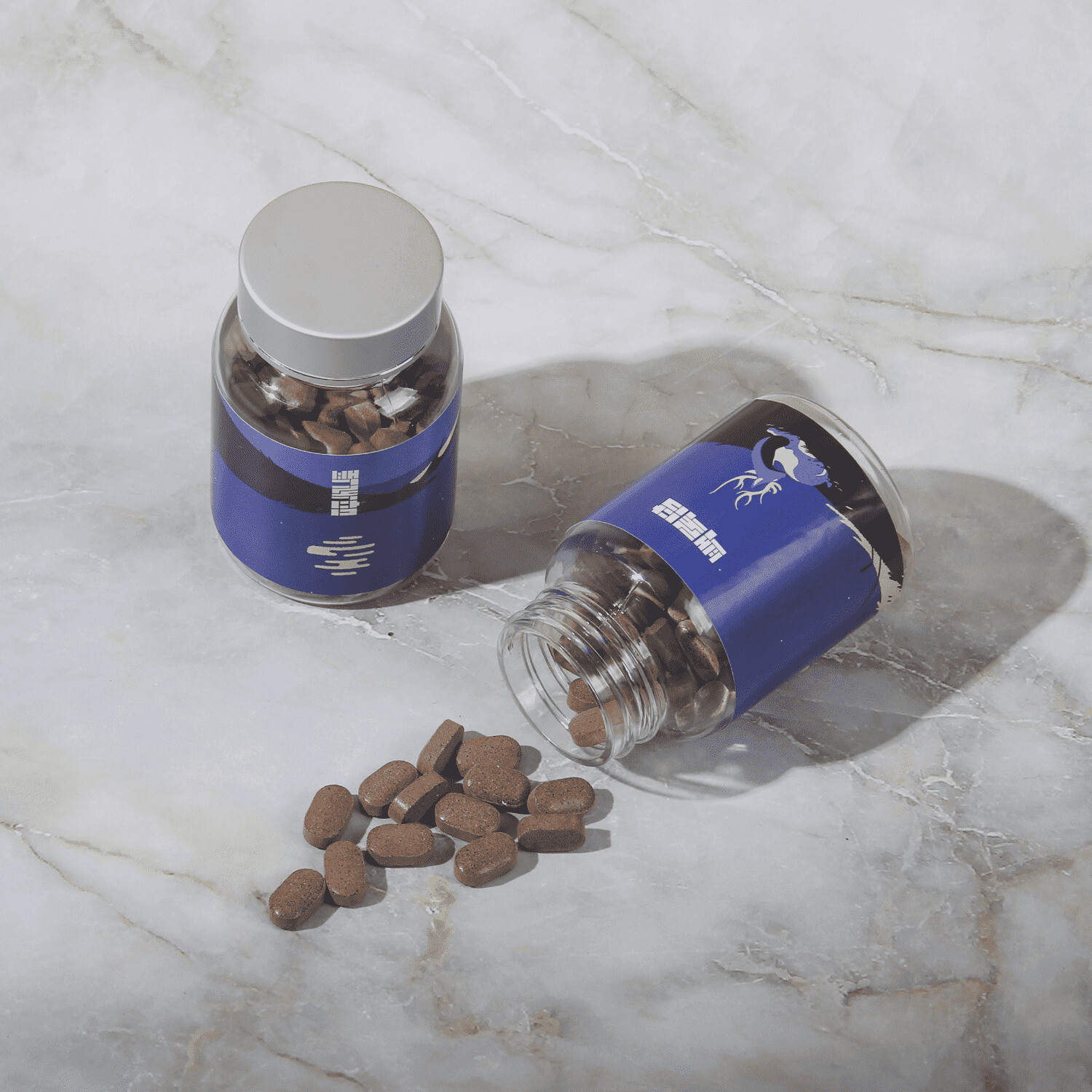
한약 병행·약물 상호작용
Q. I'm an office worker. Can I still maintain my daily routine while following a Korean medicine diet program?
A.
Yes, it's possible. Herbal medicine is taken 2–3 times a day after meals or before bed, and acupuncture or moxibustion sessions can be scheduled during lunch or after work. You may feel a bit tired at first as your body adjusts, and dietary changes might be slightly inconvenient during social gatherings, but most people manage without major issues.
📝 Detailed Answer
I initially worried that an office worker wouldn't have time for a Korean medicine diet program, but after trying it, I found it fits well into daily life. First, the advantages: herbal medicine is taken 2–3 times a day at set times—before work, after work, and before bed—so it’s easy to incorporate. Acupuncture or moxibustion sessions typically last 20–30 minutes, so you can drop by during lunch; 2–3 times a week is sufficient. Dietary adjustments are gradual and based on your constitution (chejil), not extreme fasting. For example, those with spleen deficiency (biheo) and weak digestion often switch to easily digestible foods and feel better. However, there are drawbacks: the first 1–2 weeks may bring mild fatigue or loose stools as your body adapts—this is a sign of the spleen-stomach (biwi) system rebalancing. Occasionally, scheduling appointments can be tricky, and dietary restrictions during business dinners may be uncomfortable. Those with phlegm-fluid (dameum) or blood stasis (eohyeol) constitutions may need to reduce greasy foods, which can be socially inconvenient. In summary, it depends on your workload and constitution. If you travel frequently or work late, you can adjust the herbal formulation or treatment frequency with your doctor. Most people find a rhythm within 2–3 weeks. You don’t need to worry that the diet will disrupt your work—we treat many office workers and can flexibly adjust schedules. I recommend consulting a Korean medicine doctor for a personalized plan.
#feasibility
#pros-cons

Expert Verified
Dr. Yeonseung Choe
Chief Director