
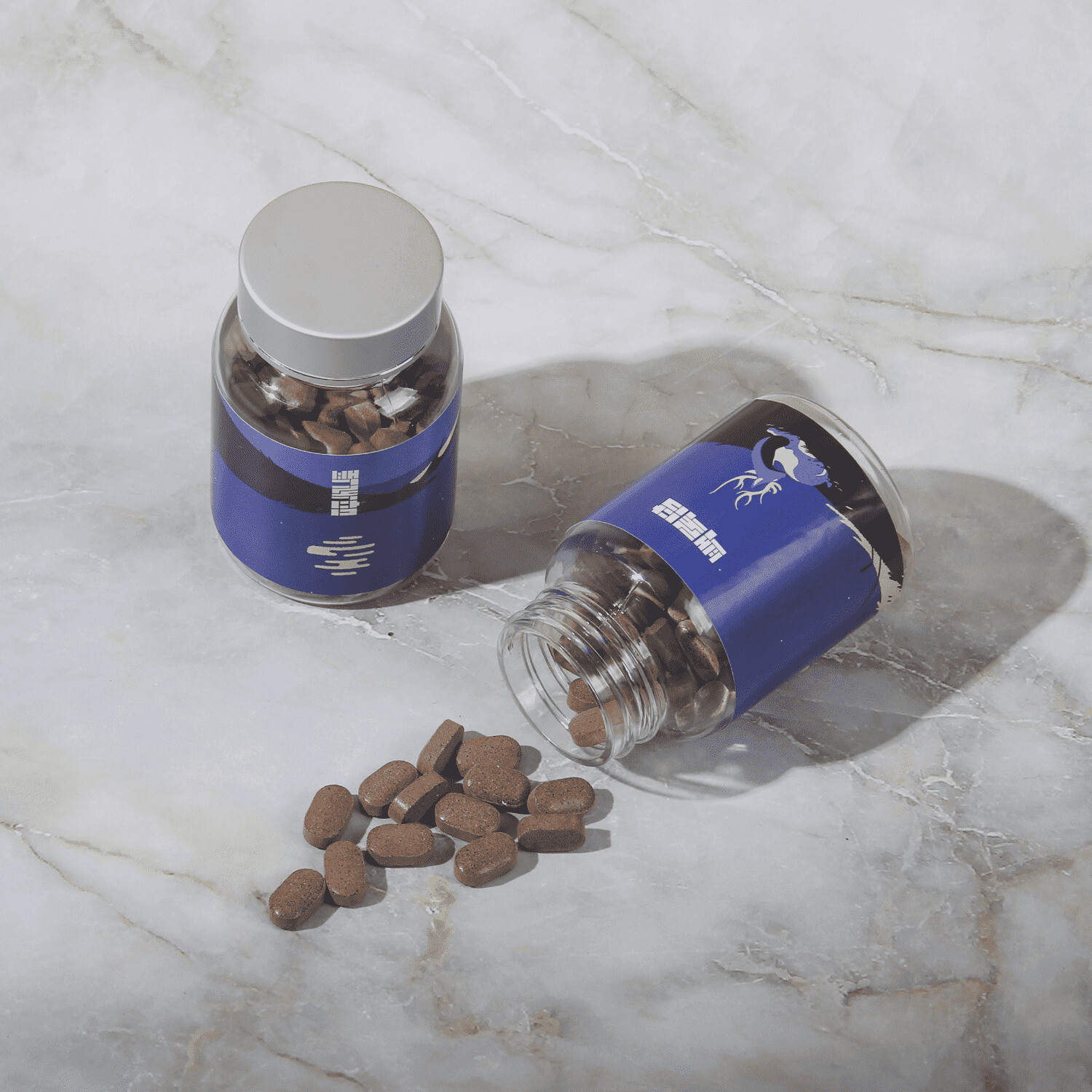
한약 병행·약물 상호작용
Q. Can you lose weight with herbal medicine without dietary control?
A.
Herbal medicine can help, but it's difficult to see effects without dietary control. The advantages include boosting metabolism and appetite control, but the disadvantage is that relying solely on herbal medicine without lifestyle changes has clear limitations. It varies by situation, but ultimately both need to go together.
📝 Detailed Answer
Yes, many people ask this. I also initially thought 'just taking herbal medicine would be enough,' but when I actually tried it, it wasn't the case. Herbal medicine works to help metabolic function and regulate appetite according to one's constitution and symptoms. For example, for those with Spleen Deficiency (bi xu) who have poor digestion, it strengthens spleen function; for those with excessive Phlegm-Fluid (dam eum), it removes Dampness-Phlegm. This kind of action definitely helps with appetite stabilization and energy expenditure. However, there are also downsides. If existing eating habits remain unchanged with only herbal medicine, calorie intake itself does not decrease, so weight loss effects are limited. Moreover, if there are accompanying issues like Blood Stasis (eo hyeol) or Qi and Blood circulation problems, some aspects are difficult to resolve with herbal medicine alone. Ultimately, herbal medicine is just a tool. Relying solely on medication without dietary control can lead to disappointment. So when I consult with patients, I explain that 'herbal medicine is not a substitute for diet, but a partner that helps you control your diet better.' Although there are differences depending on the situation, combining both seems the most realistic approach.
#feasibility
#pros-cons

Expert Verified
Dr. Yeonseung Choe
Chief Director