
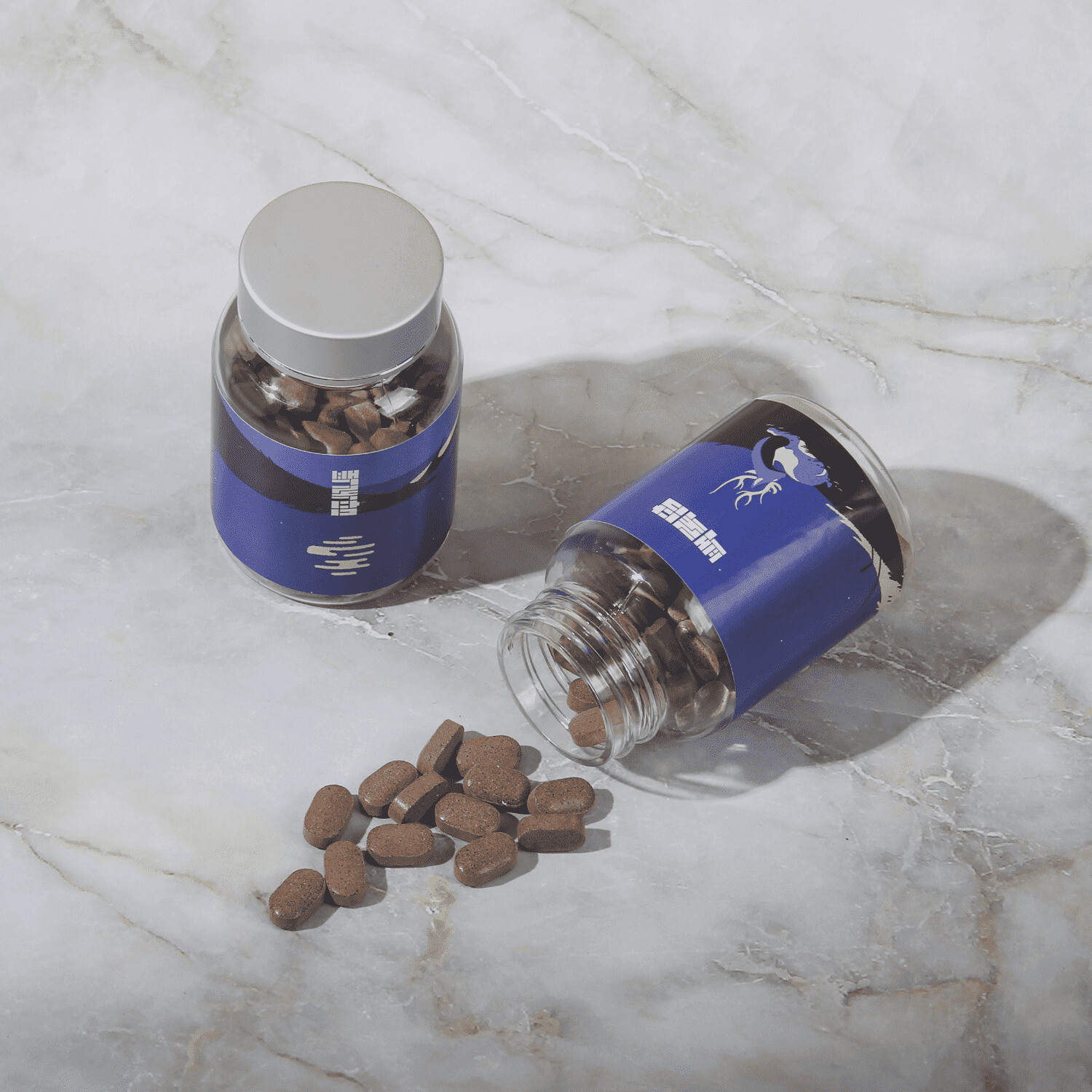
한약 병행·약물 상호작용
Q. Should I exercise while on a herbal medicine diet, or can I lose weight with herbal medicine alone?
A.
Herbal medicine alone can improve constitution and regulate appetite, but combining exercise significantly helps reduce body fat and preserve muscle. Exercise is a crucial 'safety mechanism' against rebound weight gain and for maintaining metabolic rate. The most realistic approach is to appropriately combine both methods.
📝 Detailed Answer
In Traditional Korean Medicine (TKM) for weight loss, combining exercise is more of a recommendation than an option. Herbal medicine alone can indeed lead to weight loss: it corrects constitutional biases such as spleen deficiency (biheo) or phlegm-dampness (seuptam), stabilizing appetite and normalizing digestion and absorption. Many patients experience gradual weight loss with consistent herbal medicine alone. The advantage is convenience—even busy office workers can simply take their prescribed herbs. However, there are clear drawbacks: losing weight with herbs alone often reduces muscle mass and lowers basal metabolic rate, increasing the risk of rebound weight gain after stopping medication. Also, without dietary adjustments, the effect is halved. Based on clinical experience, patients who combine appropriate exercise (aerobic and resistance training 3–4 times per week) show much better results in body composition improvement and long-term maintenance. In conclusion, the answer is 'it depends.' For those with very high initial weight or extremely low activity, it's wise to first build a metabolic foundation with herbs and then gradually add exercise. For those already active, maintaining exercise from the start while using herbs as a supplementary tool is more efficient. Personally, after initially trying herbs alone and struggling, I found that incorporating exercise provided much more stable management. It's best to decide through consultation based on individual condition and schedule.
#feasibility
#pros-cons

Expert Verified
Dr. Yeonseung Choe
Chief Director