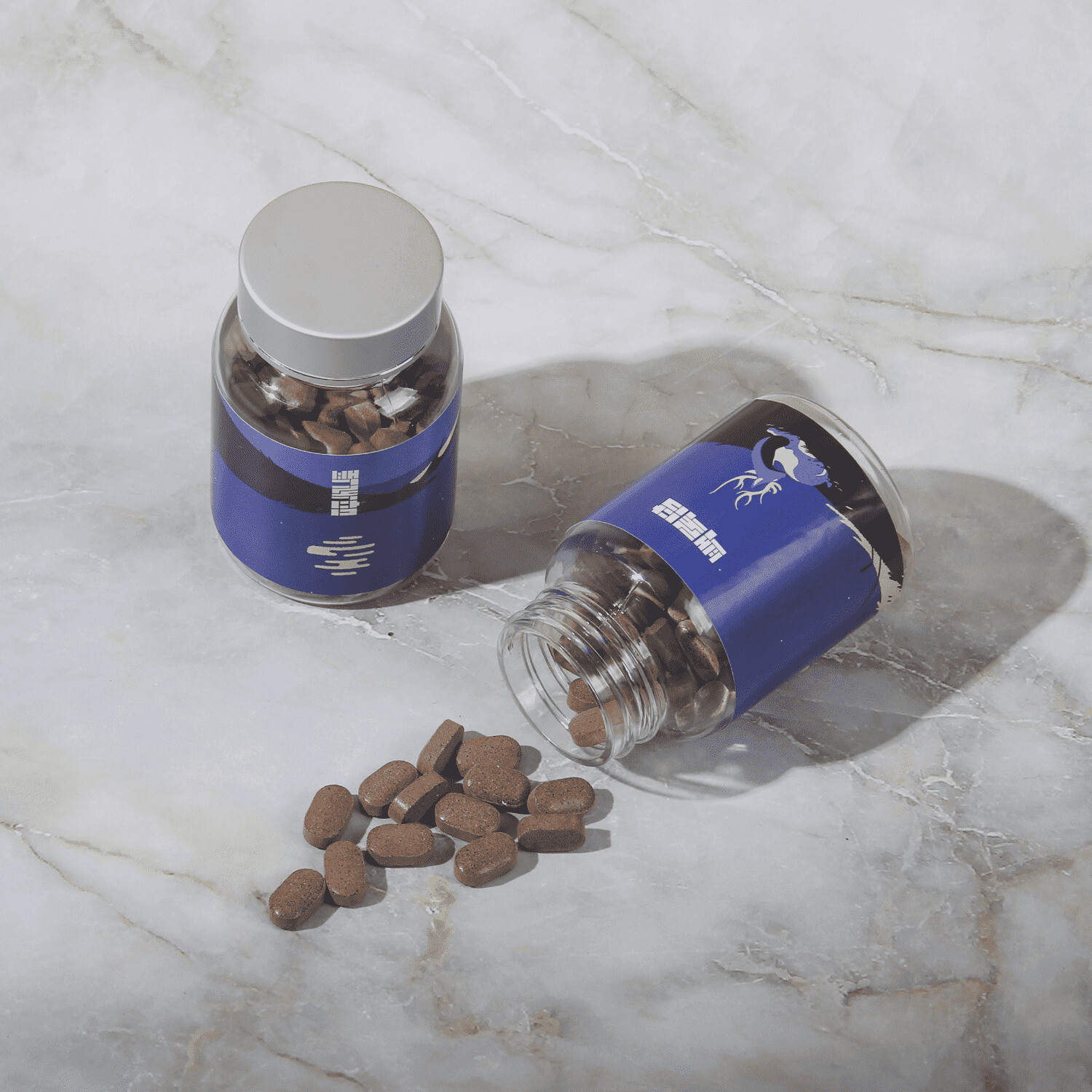
한의원 다이어트 진행 방법 step-guide
Q. 식단 조절하겠다고 닭가슴살이나 다이어트 도시락만 먹는데, 왜 저는 효과가 없을까요?
A.
무조건 적게 먹는다고 빠지는 게 아니더라고요. 저도 예전에 무작정 굶어봤는데 기운만 없고 결국 폭식하게 되더라고요. 한의학에서는 단순히 칼로리의 문제가 아니라, 몸 안의 노폐물을 처리하는 '대사 능력'이 핵심이라고 봅니다. 내 몸의 상태에 맞춰 정체된 기운을 뚫어주는 과정이 함께 이루어져야 건강한 감량이 가능해요.
상세 답변
많은 분이 '적게 먹는데 왜 살이 안 빠질까' 고민하며 내원하십니다. 사실 저도 공부하던 시절, 무작정 샐러드만 고집하다가 어지러움에 쓰러질 뻔했을 만큼 시행착오를 겪은 적이 있습니다.
한의학 관점에서 보면, 같은 식단을 유지해도 사람마다 결과가 다른 이유는 '대사 효율'의 차이 때문입니다. 다음과 같은 단계로 접근해 보시길 권합니다.
- 1. 내 몸의 '담음(痰飮)' 확인하기: 담음이란 체내에 정체된 비정상적인 수분과 노폐물을 말합니다. 담음이 많으면 대사가 느려져 적게 먹어도 몸이 붓고 무겁게 느껴집니다.
- 2. '비허(脾虛)' 상태 개선하기: 비장 기능이 약해진 상태를 비허라고 합니다. 소화 흡수 능력이 떨어지면 영양분은 제대로 활용하지 못하고 독소만 쌓여, 오히려 살이 잘 찌는 체질이 됩니다.
- 3. '어혈(瘀血)' 제거로 순환 돕기: 혈액순환이 되지 않아 정체된 피인 어혈이 많으면 에너지 소모가 더뎌집니다. 이를 먼저 풀어주어야 식단 조절의 효과가 제대로 나타납니다.
- 4. 기력 보강과 배출의 균형 잡기: 무조건 굶는 것이 아니라, 필요한 에너지는 채우고 불필요한 노폐물은 밀어내는 리듬을 만드는 것이 중요합니다.
결국 핵심은 '무엇을 먹느냐'보다 '내 몸이 그것을 어떻게 처리하느냐'에 있습니다. 내 몸의 정체 구간이 어디인지 먼저 살피는 것이 가장 효율적인 다이어트 방법입니다.

✓ 의료진 감수
백록담한의원
최연승 대표원장
다이어트 · 체질개선 · 해독 전문
최종 검토 2026.05.12
#step-guide
#ordered-list
← 한의원 다이어트 진행 방법 FAQ 목록으로