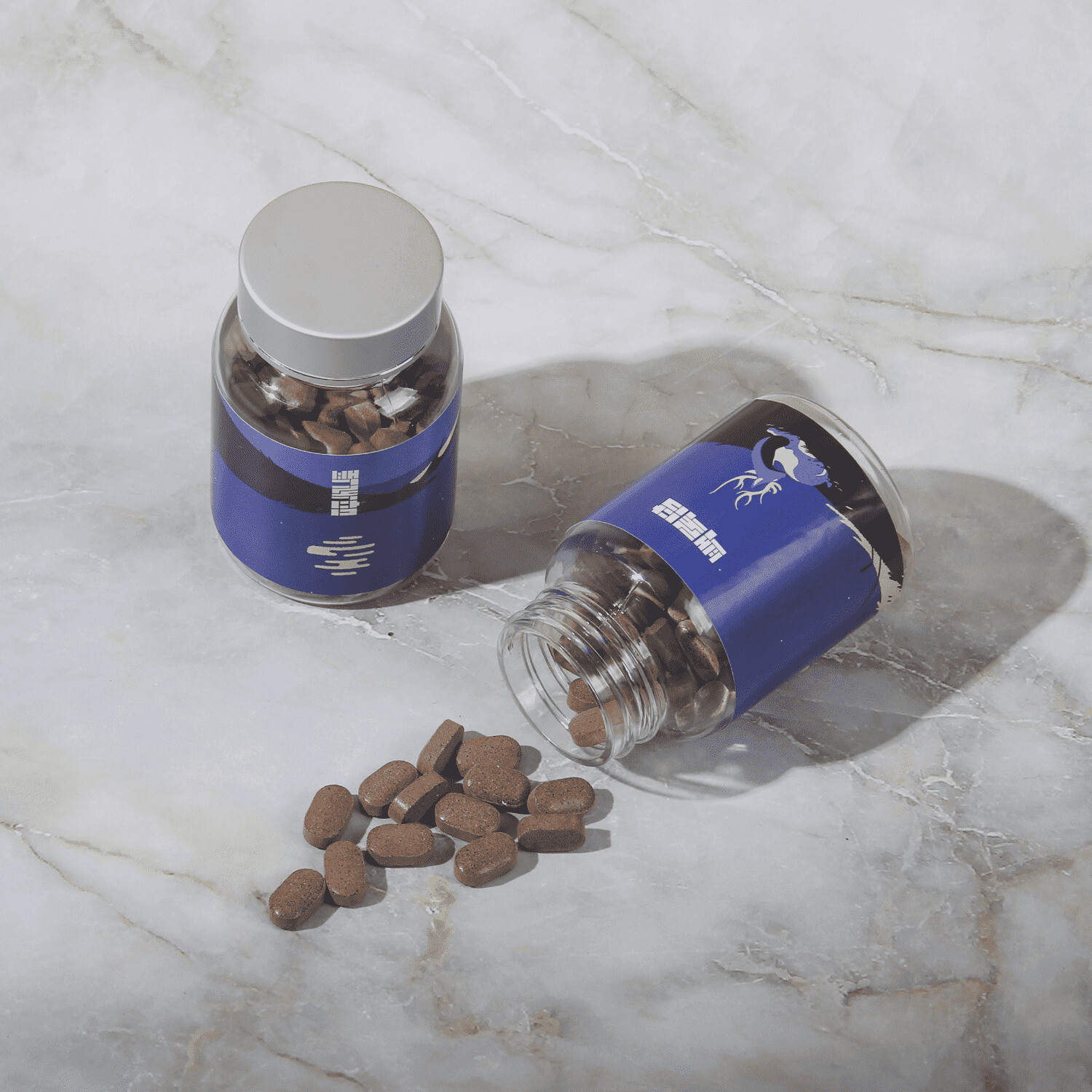
Q. I've heard there are many regulations on obesity medications lately; is herbal weight loss medicine safe?
It is safe provided the prescription is tailored to your individual constitution, as it focuses on restoring metabolic functions rather than the indiscriminate use of drugs.
📝 Detailed Answer
It is understandable that you may feel anxious due to the news regarding regulations on weight loss medications. Having studied the mechanisms of various drugs extensively, I empathize with those concerns.
Regulations on conventional weight loss drugs often stem from structural side effects or issues with misuse and abuse. However, the Traditional Korean Medicine (TKM) approach goes beyond simple appetite suppression and focuses on altering the body's overall internal environment.
In TKM, obesity is not viewed simply as a result of overeating, but as a state where Damjeok (痰積)—the accumulation of metabolic waste—blocks the circulation of Qi and Blood. When this is coupled with Bi-heo (脾虛), a deficiency in the Spleen's digestive and absorptive capacity, the metabolism slows down further.
- Damjeok (痰積): A state where abnormal waste products accumulate in the body, hindering metabolism.
- Bi-heo (脾虛): A weakened Spleen function leading to reduced energy efficiency and a tendency toward edema (swelling).
- Eo-hyeol (瘀血): Stagnant blood flow that can trigger inflammatory responses or edema.
💡 Treatment Goal
The goal is not mere weight loss, but the normalization of metabolic function, enabling the body to burn energy naturally on its own.
Ultimately, if your body's condition is accurately diagnosed and the medicinal herbs are formulated accordingly, safe management is possible through a method fundamentally different from the ingredients subject to regulation.
Expert Verified
Dr. Yeonseung Choe
Chief Director