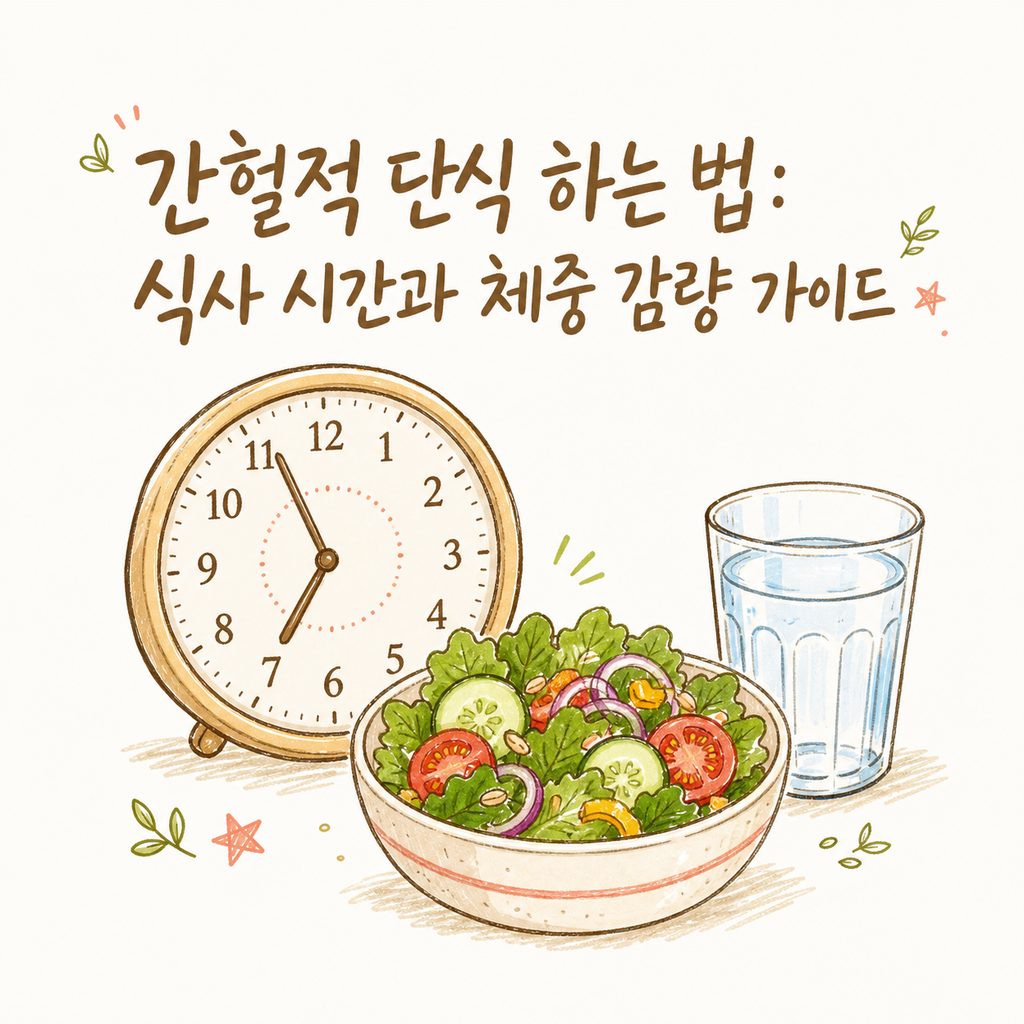
Intermittent Fasting: Meal Timing and Weight Loss Guide

Table of Contents
"Doctor, everyone talks about intermittent fasting trending—how should I start?" This is one of the most common questions I hear in the clinic. You might think you can just skip meals starting tomorrow, but when you actually try, it feels overwhelming to figure out timing and what to eat.
Changes Intermittent Fasting Brings to Your Body
The core of intermittent fasting isn't simply skipping meals—it's restricting your eating window. The most common approach is eating only within an 8-hour window. By limiting your meal times this way, your body switches into "fasting mode," where fat becomes the primary energy source.
During this process, hormones like insulin and leptin are regulated, helping with weight loss. Once you enter fasting mode, your metabolism slows down, causing you to burn more calories than usual, and insulin production—which regulates blood sugar levels—decreases. Then when you resume eating, insulin is produced and your metabolism speeds up again, creating a rhythm.
What Results Can You Actually Expect?
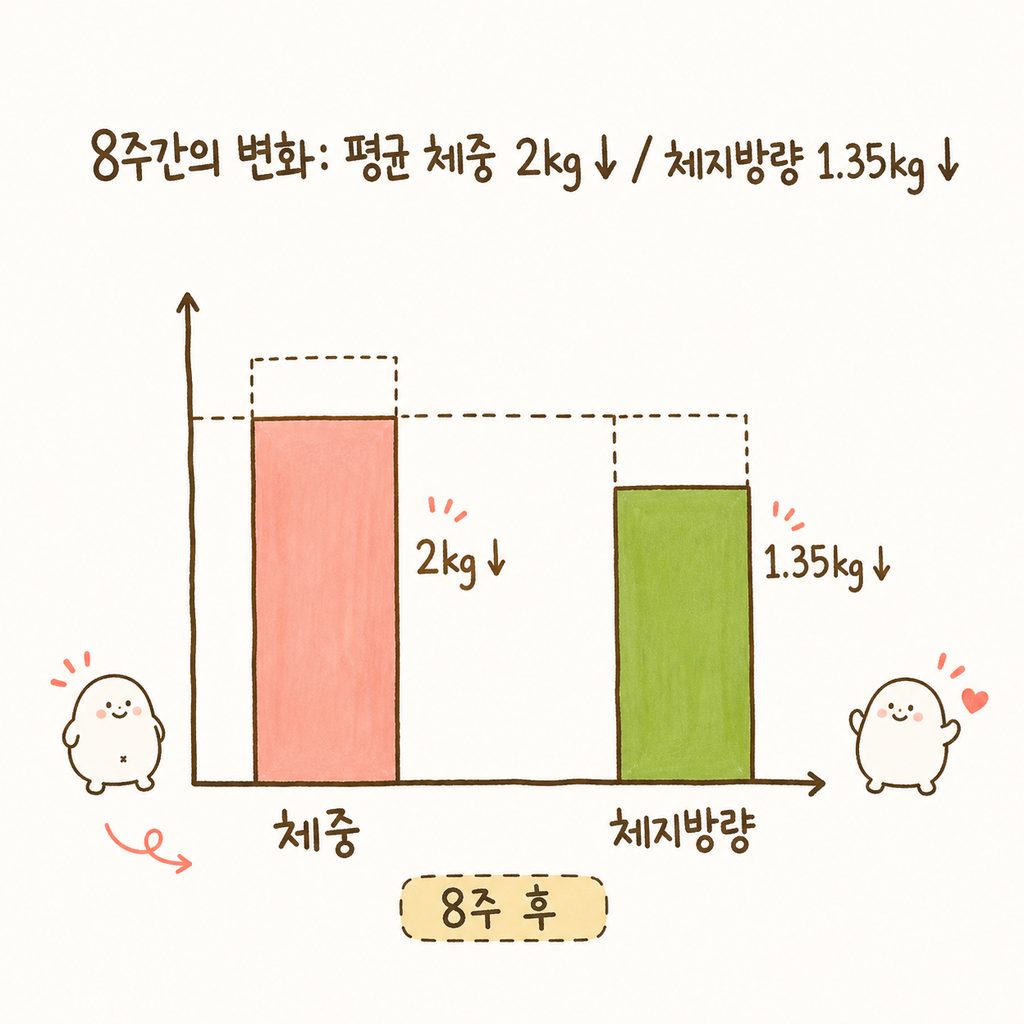
Instead of just theoretical talk, looking at actual research data helps you understand the outcomes better. In one study, participants who followed an early eating pattern saw an average weight loss of 2kg after approximately 8 weeks of intermittent fasting.
What's particularly noteworthy is the change in body composition, not just the number on the scale. In the same study, body fat mass decreased by an average of 1.35kg, and waist circumference also showed a declining trend. However, these results don't appear identically for everyone; individual constitution and lifestyle habits can create variations.
Fasting and Metabolism from a Traditional Korean Medicine Perspective
In Korean medicine, rather than extreme calorie restriction, we emphasize metabolic flow and balance. For your body to shift from simply storing energy to using it, the body's vital energy needs to circulate smoothly—not just by skipping meals.
Some people experience severe dizziness or weakness during fasting—this happens because the body hasn't adapted to the sudden interruption of energy supply. So in the clinic, instead of just telling patients to fast on a strict schedule, I first assess their digestive capacity and basal metabolic state. Clearing accumulated waste products from the body before implementing fasting allows for much more efficient weight loss.
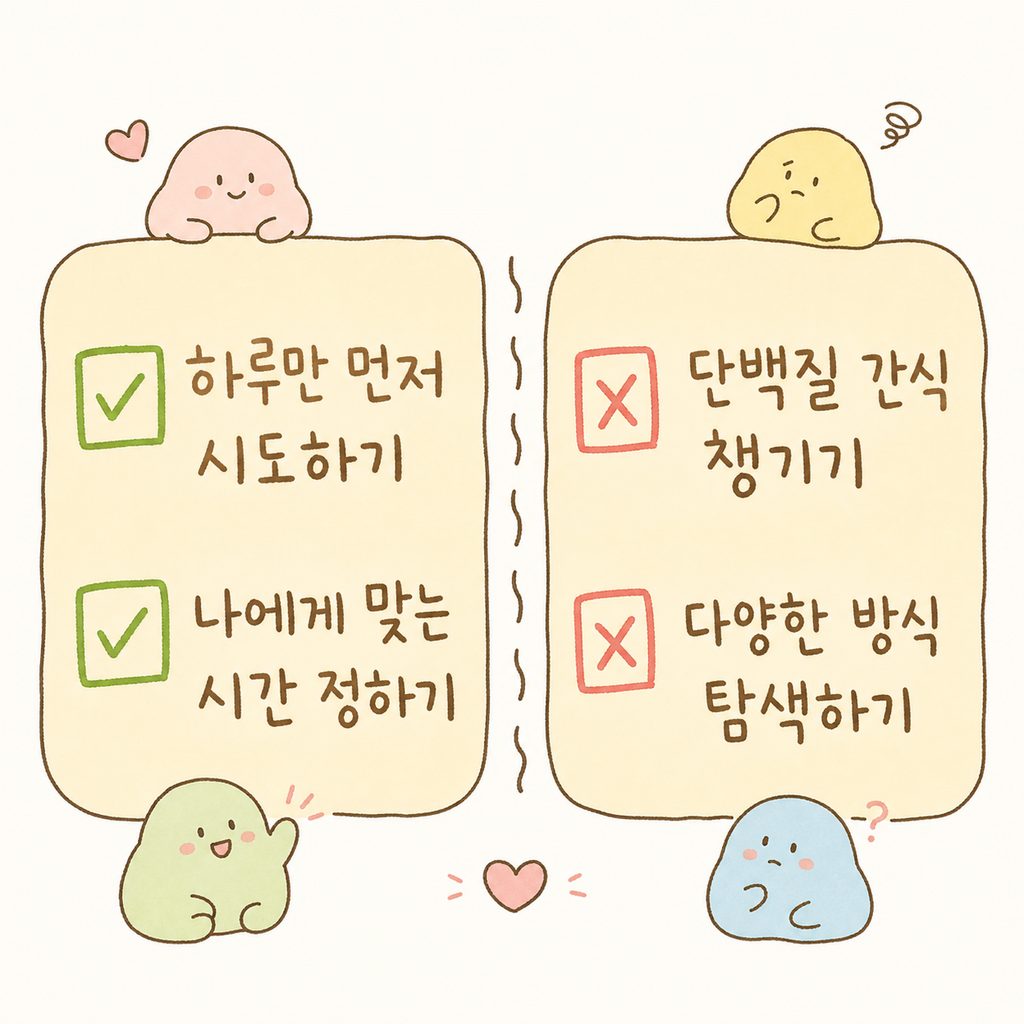
Actionable Tips to Start Today
If you're trying intermittent fasting for the first time, rather than an overly ambitious plan, try using the methods below.

Try just one day first: If you try to be strict from the start, you'll burn out quickly. You need to observe how your body responds by trying for about a day.
Set an eating window that works for you: There's the "early window" (eating from 8 AM to 4 PM) and the "late window" (eating from 1 PM to 9 PM). Research shows that when eating in the late window, the internal circadian clock is delayed by approximately 40 minutes on average compared to the early window. I recommend the early eating window to align with your natural body rhythm.
Prioritize protein-rich snacks: During your eating window, you need to fill up on nutrients. It's especially important to include protein-rich snacks to prevent muscle loss.
Explore different methods: If daily 8-hour eating windows are too challenging, consider the 3/1 fasting method—eating normally for three days and fasting for one day each week.
Intermittent fasting is certainly an attractive approach, but for some it can be medicine and for others, poison. Those with underlying conditions like diabetes or hypertension must consult with a professional before starting.
Listen to your body's signals and slowly adjust your timing. If managing your diet on your own feels too difficult, or if you're struggling with a weight loss plateau, try the Baekrokdam Korean medicine diet program alongside your efforts. With personalized support tailored to your constitution, you can expect much healthier and more effective results. Give it a try, and let me know what changes you notice in your body at your next visit.
References