

Losing Belly Fat: Visceral Fat, Metabolism & Strength Training

Table of Contents
When I see patients in the clinic, the most common concern I hear is about belly fat. So many people say their arms and legs are fine, but it's just their stomachs that stick out. Hearing this daily makes it feel all too real. Belly fat isn't just a cosmetic issue—it often signals underlying health problems that deserve closer attention.
Why Belly Fat Is So Stubborn
Let's start with the criteria for obesity. The World Health Organization (WHO) and the Korean Society for the Study of Obesity define obesity as having a Body Mass Index (BMI) of 25kg/m² or higher. Interestingly, "abdominal obesity" is more problematic than overall obesity.
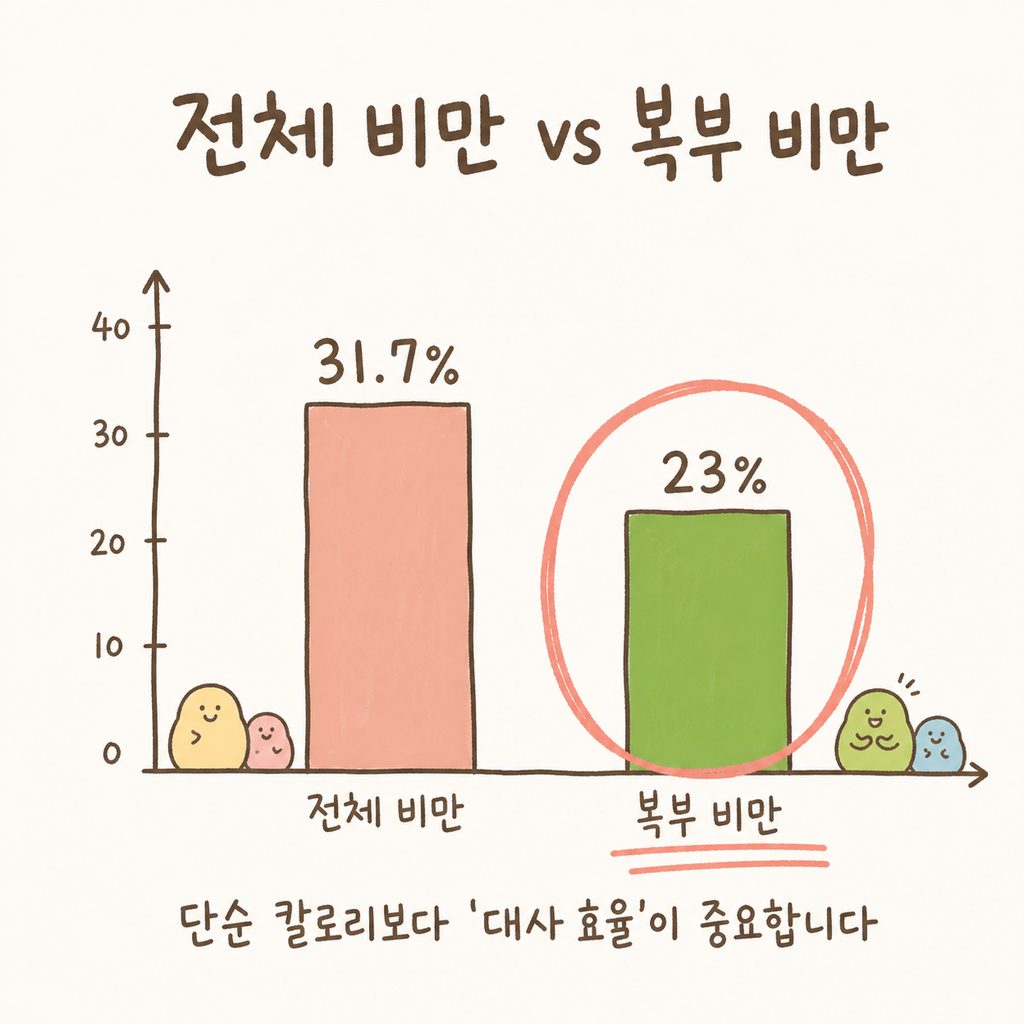
According to research data, while the overall obesity prevalence was 31.7%, abdominal obesity was around 23%. Some people accumulate fat specifically in their abdominal area rather than throughout their entire body. This isn't just about calorie excess—metabolism efficiency and hormonal influences play a bigger role. In particular, visceral fat produces more inflammatory substances than subcutaneous fat, which is why it takes longer to reduce.
How Muscle Mass Affects Metabolism
Many people focus only on diet adjustments when trying to lose belly fat, but this often leads to losing muscle mass. Muscle accounts for approximately 30-40% of adult body weight and consumes energy even when we're at rest.
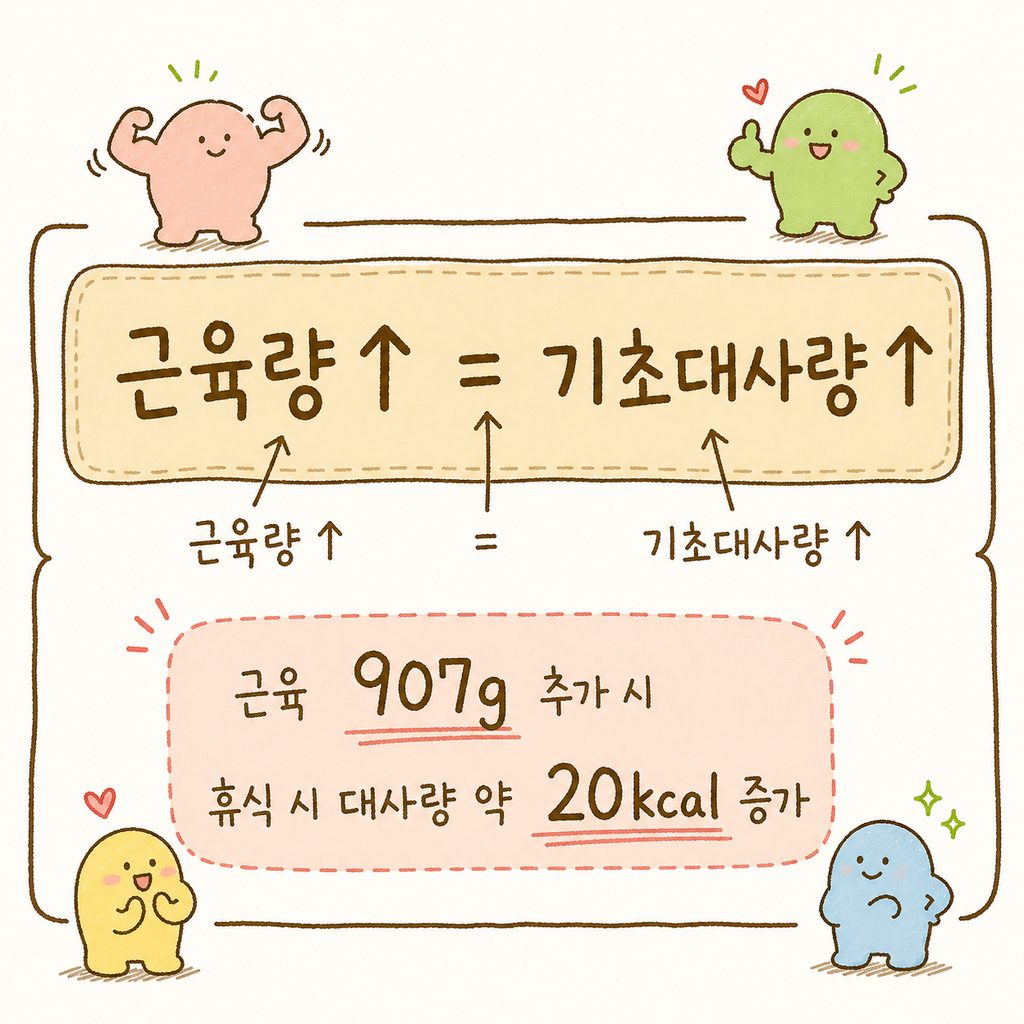
Let me give you some numbers. Research shows that building approximately 907g of muscle can increase resting metabolism by about 20 calories per day. That might not sound like much, but over time, this difference in basal metabolic rate determines whether you develop a body that easily loses belly fat or one where even small amounts of food go straight to your belly. The answer is to preserve muscle while burning off fat.
The Dieting Cycle and Yo-Yo Effect
I've seen so many patients in the clinic who become discouraged when the weight they worked so hard to lose comes back. According to Cleveland Clinic data, approximately 80-95% of dieters experience "weight regain."
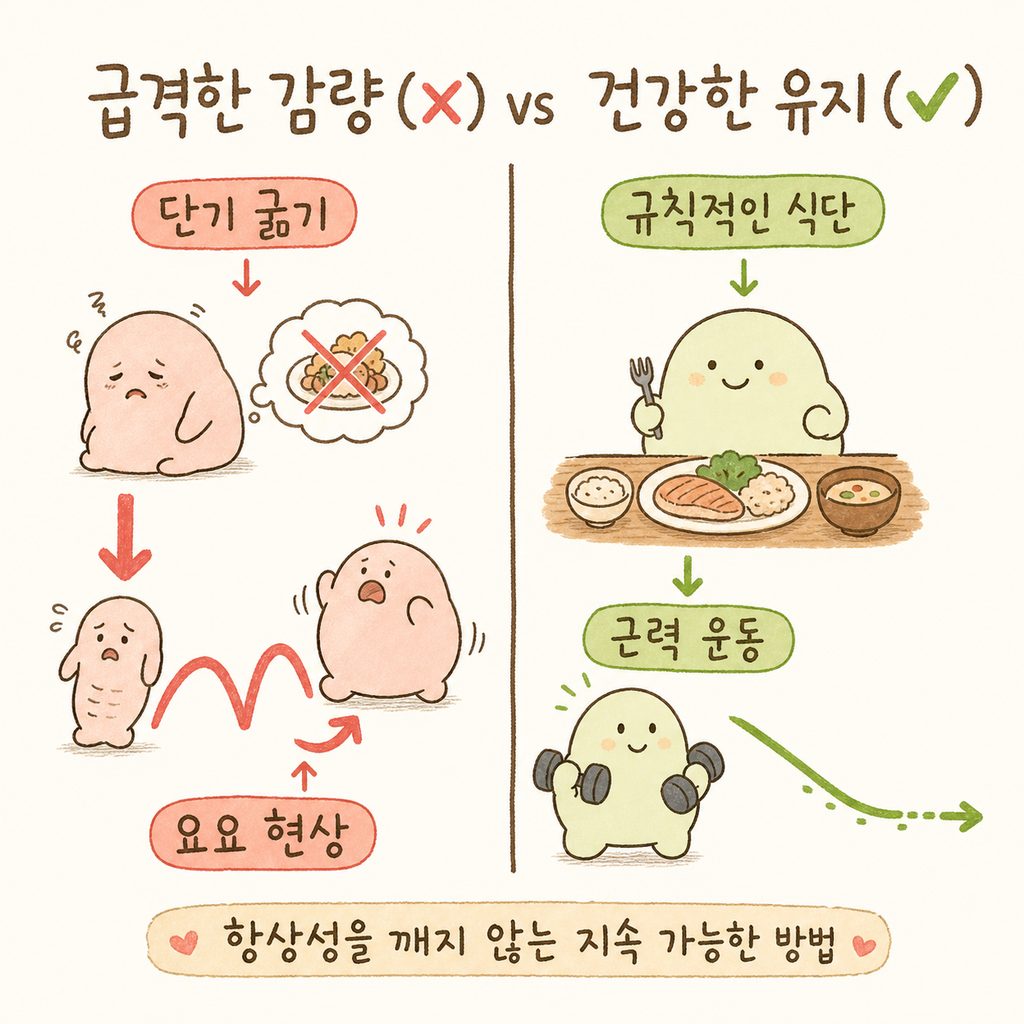
It's a process almost everyone goes through. This happens because extreme fasting or rapid weight loss methods disrupt the body's homeostasis. In a long-term study observing participants for about 5.1 months, while the amount of weight lost was similar, what determined healthy maintenance was everyday lifestyle habits and metabolic status.
How Korean Medicine Views Abdominal Obesity
At a Korean medicine clinic, belly fat isn't viewed simply as "fat accumulation." We examine whether it's caused by "dampness" from blocked qi and blood circulation leading to toxin buildup, or whether it's due to a cold lower abdomen that has lowered metabolism.
Constitution varies from person to person. Some people develop belly fat due to weakened digestive function, while others may have heart fire from stress that promotes abdominal fat accumulation. That's why during consultations, I first assess the patient's constitution and then prioritize treatments that activate stagnant metabolism. Rather than forcing oneself to starve, creating an environment where the body naturally burns fat is the core principle of Korean medicine diet.
Diet Tips You Can Start Using Today
So what can you do starting today? The basic principle is to create a "calorie deficit" by consuming fewer calories than you burn.

Protein is especially important. Make sure to get an adequate amount of protein per kilogram of body weight. Even small efforts to consistently reduce calories over a week can lead to an expected weight loss of 0.5-0.7kg. Rather than making drastic changes, building small weekly successes is the best way to prevent the yo-yo effect.
How to Create an Effective Exercise Routine
Exercise requires strategy rather than just walking aimlessly. Before starting intense exercise, be sure to warm up thoroughly for 3-5 minutes to prevent injury.
I recommend strength training at least twice a week. Focus on strengthening your core and lower body muscles, which are central to your body. The more lower body muscle you have, the higher your basal metabolic rate, which helps you lose belly fat more effectively. If you do high-intensity interval training, try dividing the intensity as 30-20-10 seconds, repeating about 4 times, and finish with 3 minutes of light walking or stretching.
Losing belly fat isn't just about reducing a number—it's a process of restoring your body's metabolic system to normal. If managing diet and exercise on your own feels overwhelming, or if your plateau seems unusually long due to your constitution, seeking professional help is also an option.
The Baekrok Gambi-jung program personalizes metabolism regulation based on your individual constitution, allowing you to expect more effective results. Try implementing the methods I shared today one at a time, and feel free to ask any questions during your next consultation.