
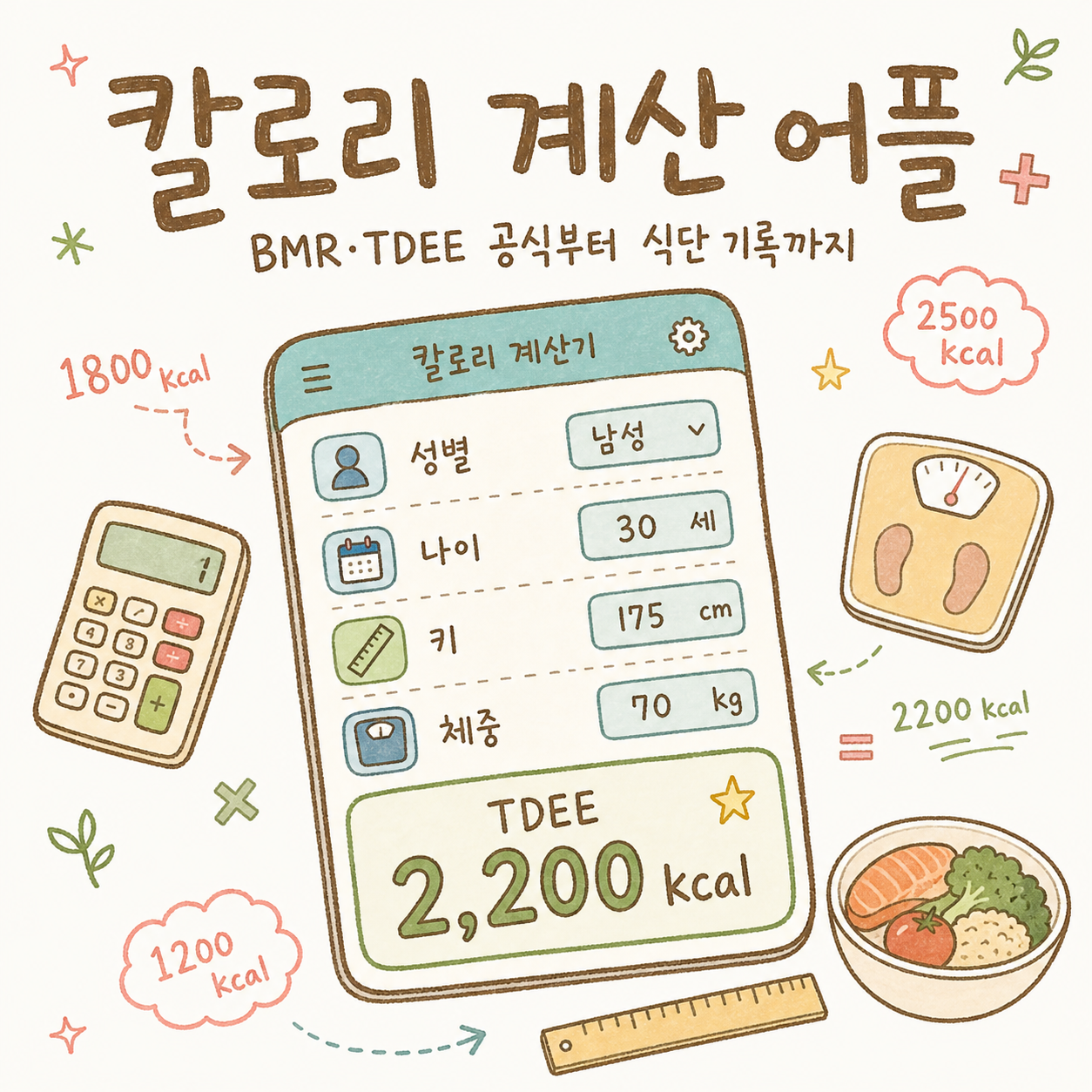
Calorie Counting Apps: From BMR to TDEE & Diet Logging

Table of Contents
In the clinic, one question I hear repeatedly during weight management consultations is, "Doctor, I eat so little—why can't I lose weight?" I understand that frustrating feeling all too well, as I've struggled with it myself. But when patients actually track their daily intake, they're often shocked by how much they consume. Human memory tends to be quite generous with calories. That's why I always recommend starting with a calorie counting app—seeing actual numbers is a completely different experience from rough estimates. Today, I'll explain how these apps calculate your needs, how to interpret the results, and what the numbers don't tell you.
The Science Behind Calorie Counting Apps
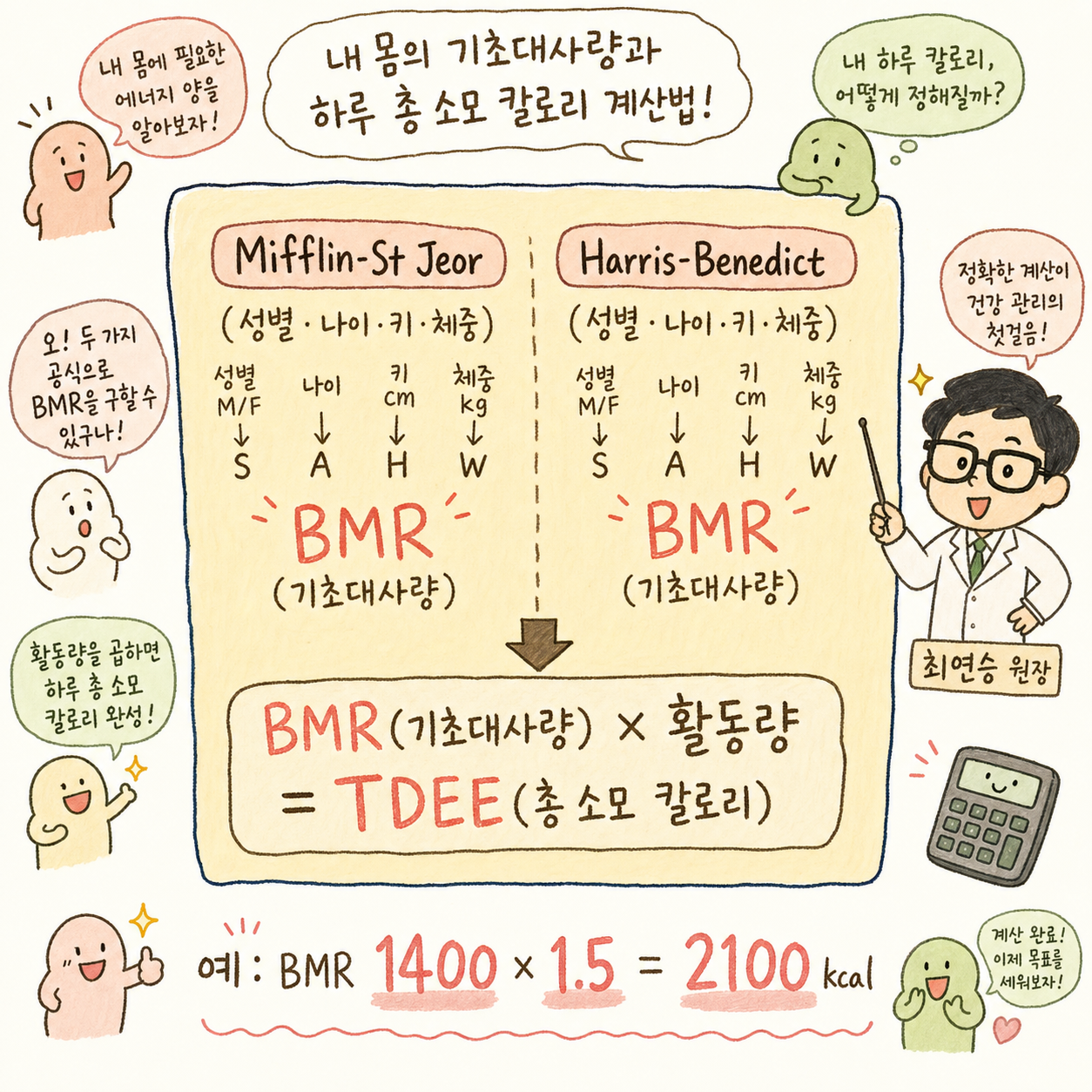
Most apps use one of two formulas: the Mifflin-St Jeor Equation or the Harris-Benedict Equation. CalZen uses Mifflin-St Jeor, while apps like Whip It and Sparkful use Harris-Benedict. Both calculate your Basal Metabolic Rate (BMR)—the calories you burn at complete rest—based on gender, age, height, and weight. Multiply this by your activity level to get your Total Daily Energy Expenditure (TDEE). The "recommended calorie intake" shown in apps is typically your TDEE minus a deficit. Rather than using fancy AI, these apps rely on decades-old nutritional science.
Let's Crunch Some Numbers
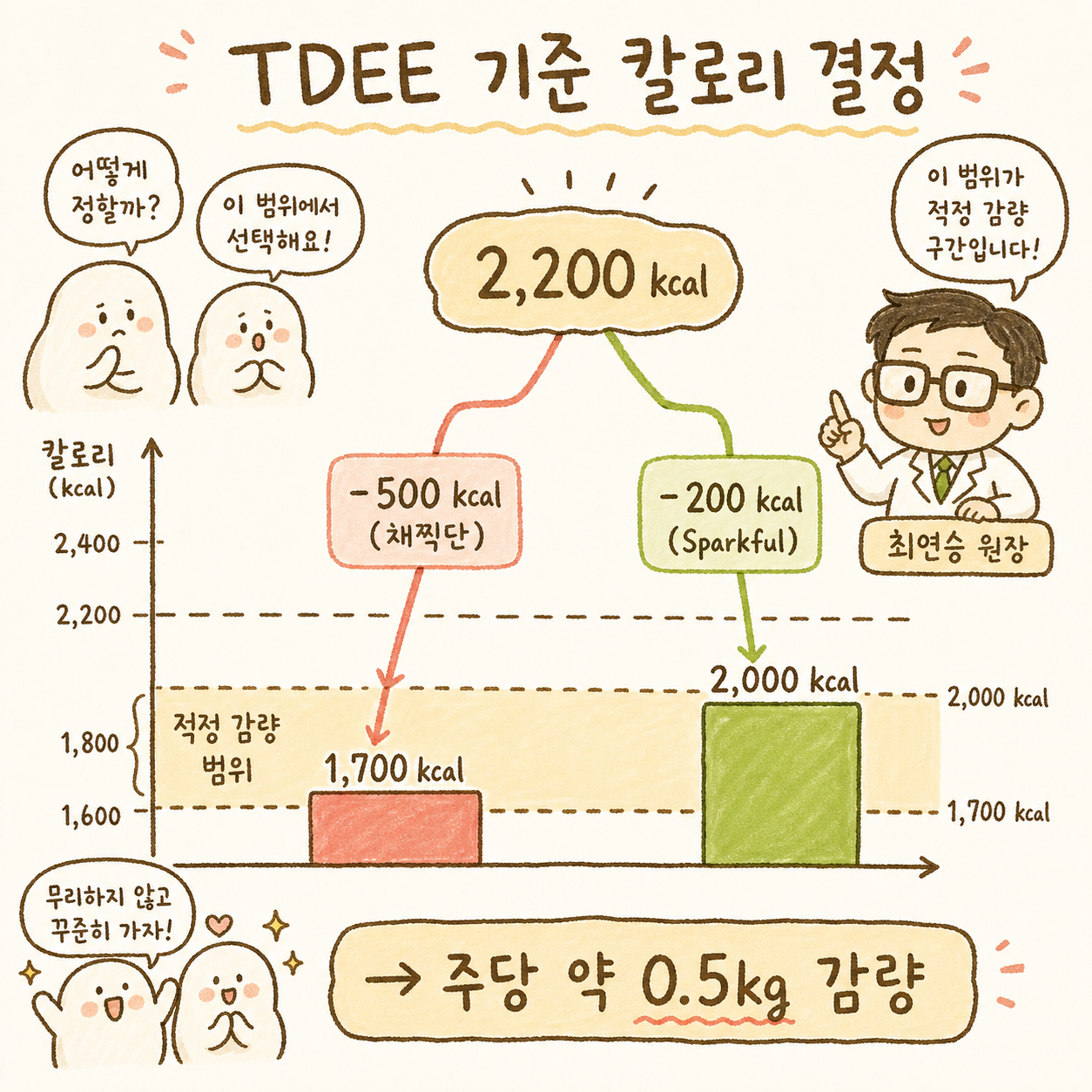
For example, Whip It recommends a 500 kcal deficit from your TDEE for weight loss—about 0.5 kg per week. Sparkful is more conservative, suggesting only a 200 kcal deficit. So if your TDEE is 2,200 kcal, your target would be 1,700–2,000 kcal. Food logging apps automatically calculate calories and macros when you enter items like "1 kimbap roll" or "150g pork belly." FatSecret breaks down carbs, protein, and fat (in grams), while Korean apps like InOut boast over 500,000 food items in their database.
How to Interpret Your Results
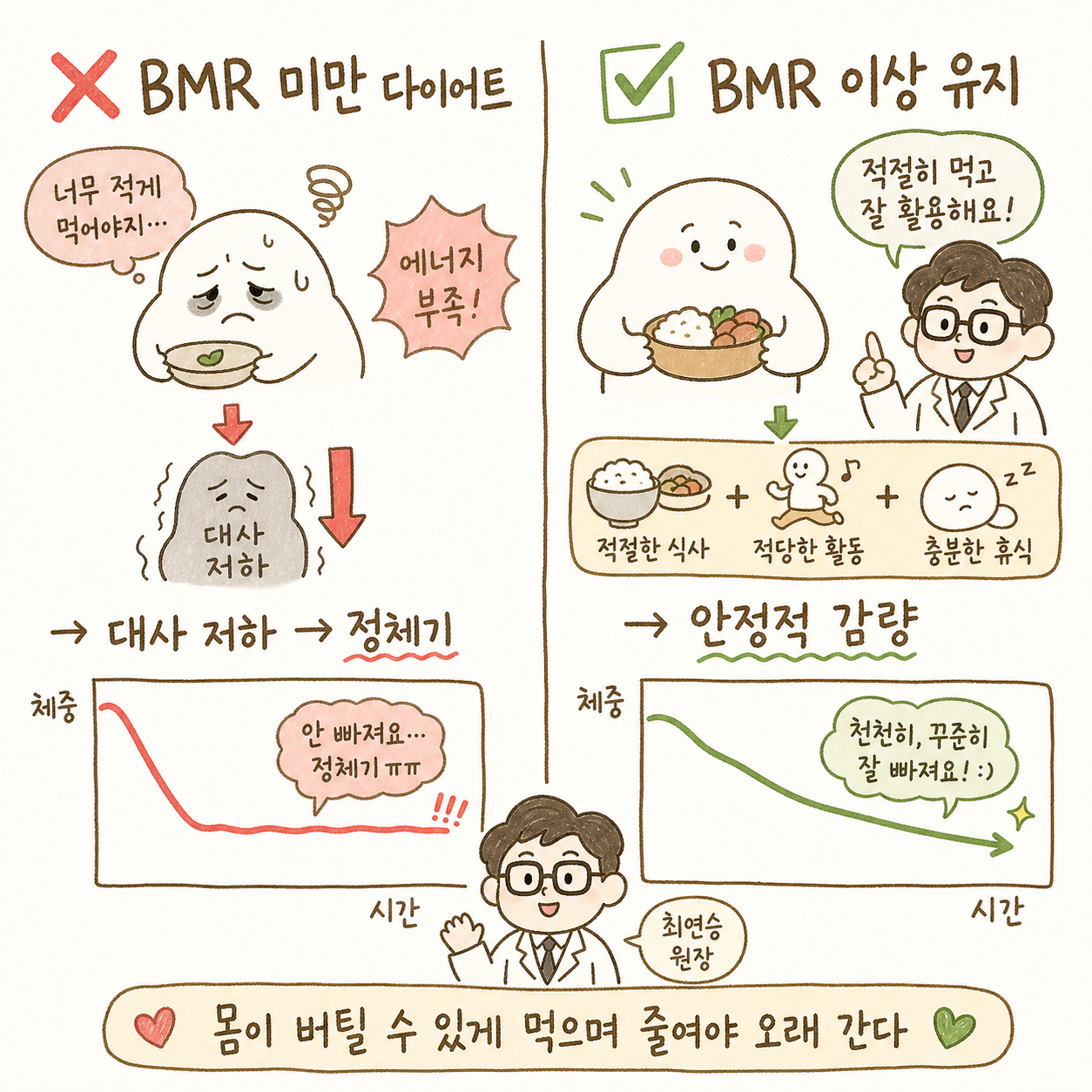
If your app recommends 1,800 kcal, what does that mean? According to CalZen, most adults need 1,600–3,000 kcal daily—less if sedentary, more if active or larger-framed. If you're within this range, the formula is working. Most importantly, never eat below your BMR, as Sparkful warns. Severe restriction triggers metabolic slowdown, leading to plateaus. I often see patients in the clinic who've fallen into this trap by fixating on red numbers.
When the Formula Doesn't Fit
Formula-based calculators have limitations. First, they use population averages and can't account for individual factors like hormones or thyroid function. Second, actual nutrient absorption varies—100 kcal of processed food affects insulin and satiety differently than whole foods. Third, portion sizes in databases may not match reality (kimbap sizes vary by restaurant!). For better accuracy, log meals immediately after eating and aim for three consistent mealtimes. Retrospective logging often underestimates intake by about 20%—a common pattern I see in patients' food diaries.
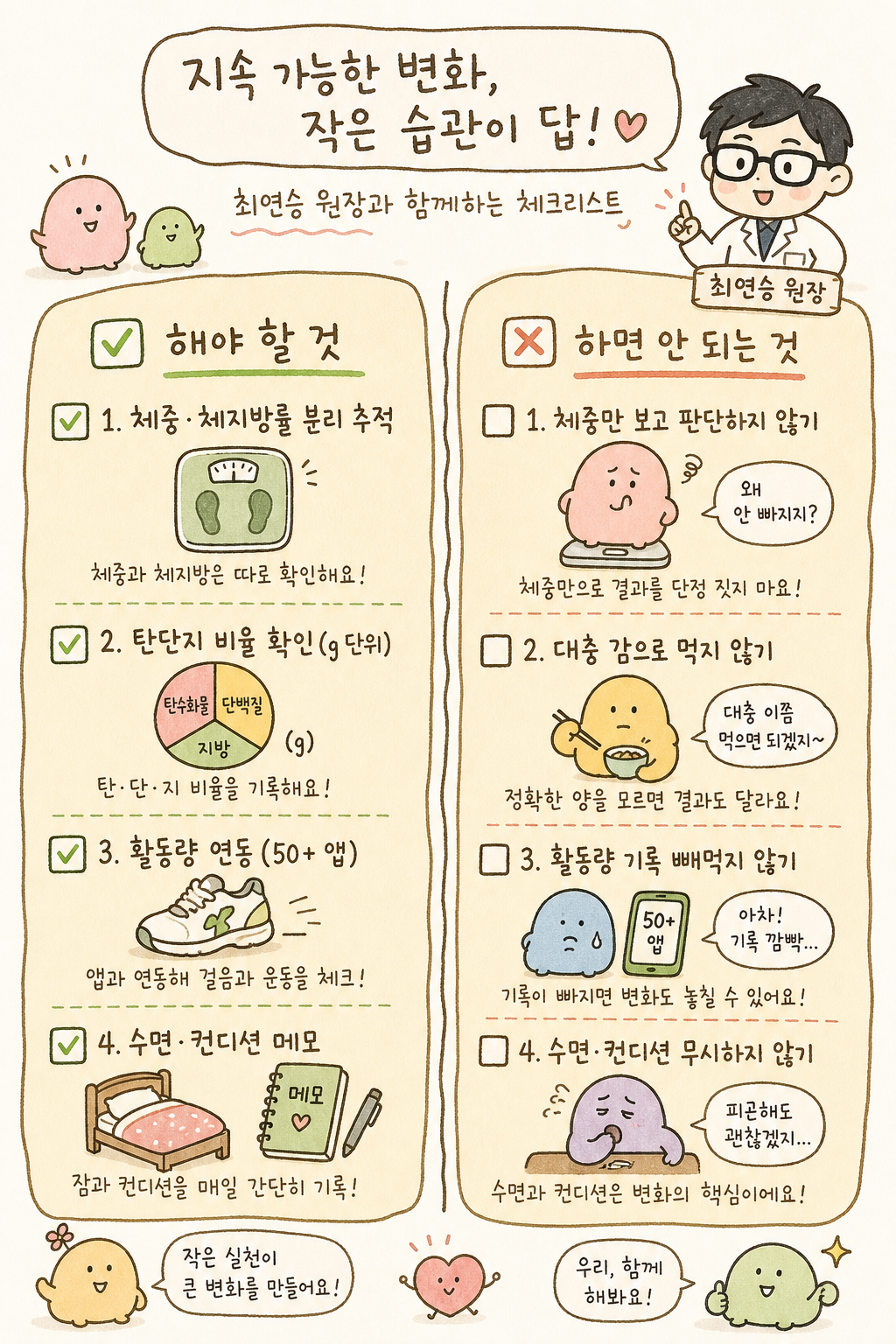

Beyond the Numbers: Key Metrics to Track
Don't fixate solely on calories. Here's what else matters:
Separate weight and body fat %: Losing 1 kg of muscle versus fat yields different results. Use a home body composition scale at consistent times.
Macronutrient balance: Apps like FatSecret and InOut show carbs, protein, and fat in grams. Inadequate protein increases muscle loss risk.
Activity tracking: MyFitnessPal syncs with 50+ apps and devices to log exercise calories. Balance intake with output.
Sleep and mood notes: Log how you feel. Overeating often follows poor sleep.
Price-wise, FatSecret is free, while MyFitnessPal offers a free version with premium features (around ₩9,900/month). Start with free options.
Calorie counting apps are excellent mirrors—but mirrors don't change your body. In Korean medicine, we believe weight gain patterns and rates depend on digestive function and fluid metabolism, even with identical calorie intake.
If you're losing weight slowly despite tracking, or if swelling persists despite reduced intake, bring your app data to our clinic. We'll review your logs, assess your constitution and blockages, and may recommend Baekrok Gambi-jung to support digestive and metabolic function. Apps collect data; Korean medicine translates it into your body's language. Together, they make the journey much smoother.