What Is the Ketogenic Diet: Low-Carb Ratios to Side Effects

Table of Contents
When I meet patients in the clinic, one of the most common questions I hear is about diets. These days, with so much information available online, many people cautiously ask, "Doctor, I've heard that low-carb high-fat diets are good. Should I try the ketogenic diet?" The desire to lose weight quickly is universal, but as a Korean medicine practitioner, it's always regrettable to see patients whose bodies have actually become heavier after blindly following popular diets.
What Is the Ketogenic Diet?
Let me start by clarifying the exact concept. The ketogenic diet is also called "ketone diet" in Korean. In Korea, it is more commonly known as low-carb high-fat (저탄고지). As the name suggests, it refers to a dietary therapy that extremely reduces carbohydrate intake while increasing fat intake.
![A simple flowchart showing the energy source transformation process. [Decreased carbohydrate intake] → [Fat breakdown in the liver] → [Ketone body production] → [Entry into ketosis] connected by arrows.](/api/files/assets/2026-08/e0d335de.jpg?sig=bdfc148a0581ab5e678042552d9ce3b293e93f7ef51c874cc3b8766a0d95c3ac)
Our bodies normally use glucose obtained from carbohydrates like grains and fruits as an energy source. However, when we eat very little carbohydrates, the body becomes confused. At this point, the liver breaks down fats to produce ketone bodies as a new energy source. The state where our bodies use fat as the primary fuel instead of glucose is called "ketosis." The diet that induces this state is called ketogenic, hence the name.
It Was Originally Developed for Treatment Purposes
Many people think of ketogenic diets as the latest weight management trend, but actually, the roots of this diet lie in the medical field. It was originally designed as a therapeutic dietary therapy for patients with neurological disorders that are difficult to treat with medication, such as pediatric epilepsy. It involved limiting carbohydrates and protein while consuming high amounts of fat to alleviate symptoms of specific conditions.
While it was meaningful for treatment purposes, the nature of the diet changed when it crossed over into the realm of general weight loss for the public. Low-carbohydrate diets like the Paleo diet and Atkins diet fall into this category, but applying a therapeutic diet as-is for ordinary people simply wanting to lose weight is an entirely different matter.
Core Rules and Ratios of the Ketogenic Diet
So how are nutrients structured in an actual ketogenic diet? Let me summarize the general guidelines.
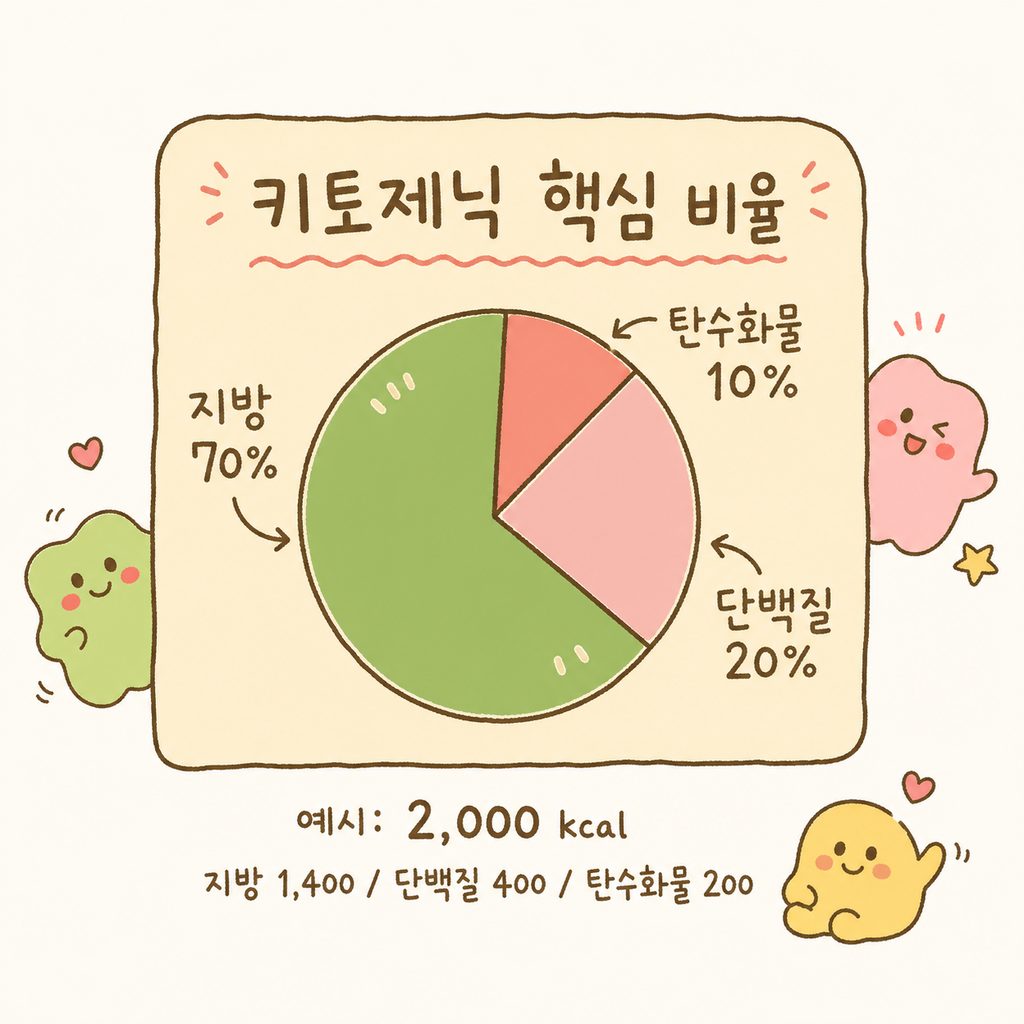
Carbohydrates: Strictly limited to 10% or less of total calories.
Protein: Approximately 20% of the total intake.
Fat: The remaining 70% is filled with fat.
Only by extremely lowering carbohydrates can the mechanism of producing ketone bodies through fat breakdown in the liver become active. It's much more difficult to maintain than it sounds, as you need to control not only grains like bread, rice, and noodles but also sugary fruits and vegetables.
Common Misconceptions We Have
One of the biggest misconceptions among people I see in the clinic is believing that "eating more fat will automatically make you healthily lose weight." However, the ketogenic diet is not the right answer for everyone. Some companies advertise it as a health food, but in reality, it can be unhelpful or even harmful for most patients, including diabetic or cancer patients.
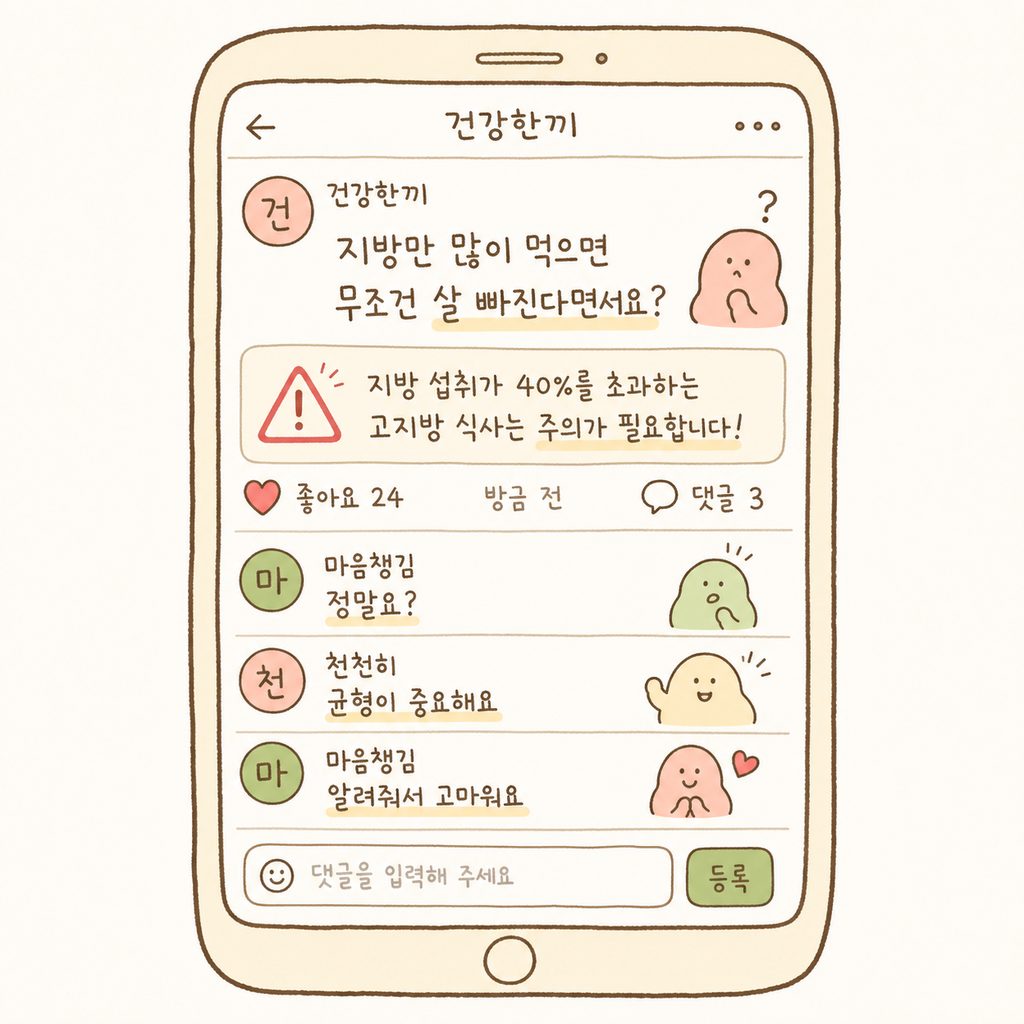
Additionally, eating more fat indiscriminately is not beneficial. According to some sources, high-fat diets where fat intake exceeds 40% of total caloric intake should be approached with caution. Without considering your metabolic capacity and body constitution, blindly increasing fat intake can put undue strain on vascular health and liver function.
Is It Really Effective for Weight Management?
To give you the conclusion first: it may be effective for reducing the number on the scale in the short term. However, this is somewhat different from healthily losing weight. When carbohydrates are extremely restricted, total caloric intake naturally decreases, so weight tends to drop temporarily.
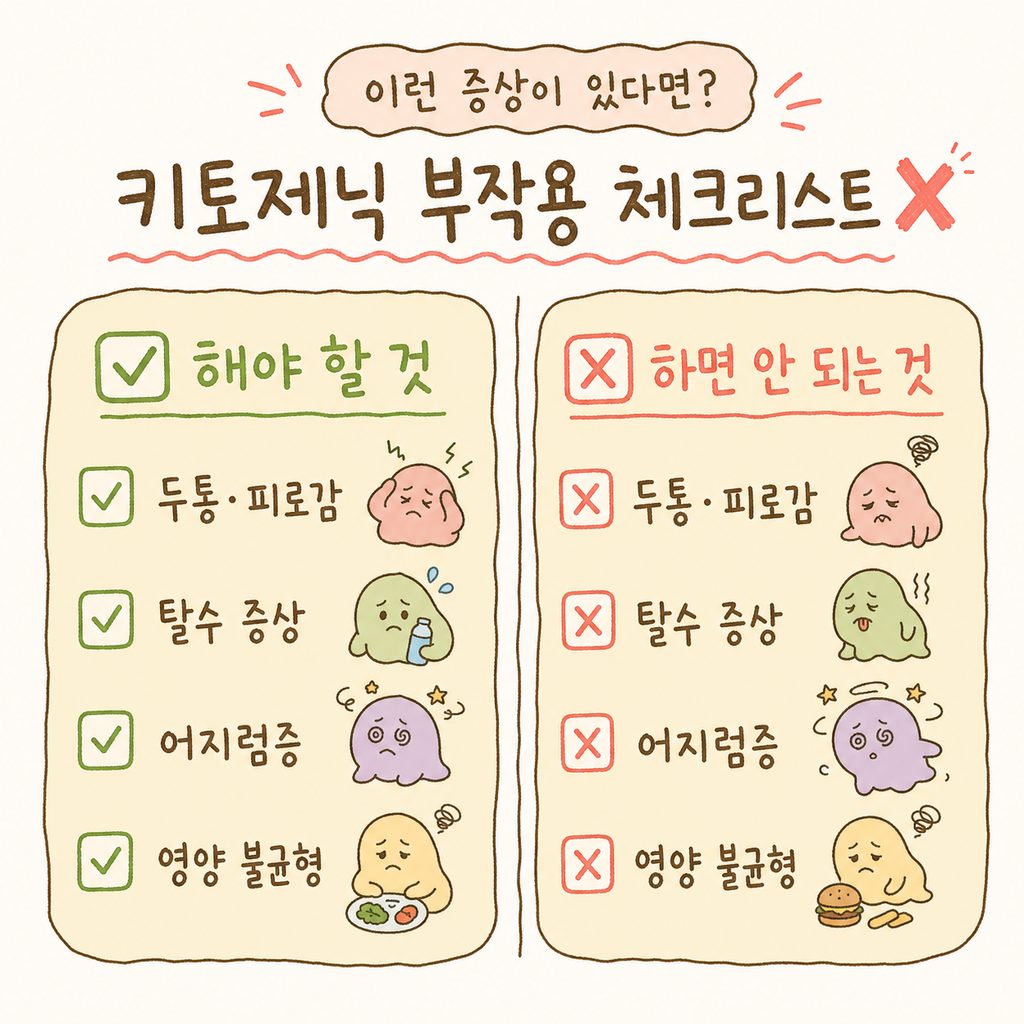
The problem lies in the side effects that appear as you continue this diet. When ordinary people maintain it for an extended period, elevated blood ketone bodies from excessive fat oxidation can lead to the following symptoms:
Persistent headaches and fatigue
Dehydration symptoms as water leaves the body
Sudden dizziness
Nutritional imbalance due to deficiency of essential nutrients
Ultimately, if health deteriorates due to nutritional imbalance, there's a high likelihood that when you stop the diet, your weight will rapidly return—making it a shortcut to the yo-yo effect.
Points to Remember for Healthy Weight Loss
I also often think about diet management between patient consultations. However, the most important things are "sustainability" and "whether it's right for my body." Rather than blindly trying to match trendy ratios, you should first examine how your body processes carbohydrates and what your fat metabolism capacity is.
Extreme restriction diets put the body in emergency mode. Our bodies have strong survival instincts, so when nutrients coming in are too scarce, they have a tendency to store more aggressively later. Therefore, rather than forcefully starving yourself or excluding specific nutrients, it's much wiser to approach it by improving metabolic efficiency according to your constitution.
If diet management feels too difficult, or if you've experienced low energy and dizziness while trying to manage it yourself, please consider consulting with a professional. Depending on whether your constitution is heat-excessive or deficient in energy, the optimal ratio of carbohydrates to fats will differ entirely.
By combining with the Baekrokdam Gambi-jung program, you can establish your body's metabolic balance and expect much more effective results. Rather than exhausting your body with extreme diets, I recommend finding a healthy weight loss method that suits your constitution. Please try it and let me know how your body has changed during your next consultation.
References