
Blog & Columns
Useful information about health and Korean medicine.
Total 834 posts
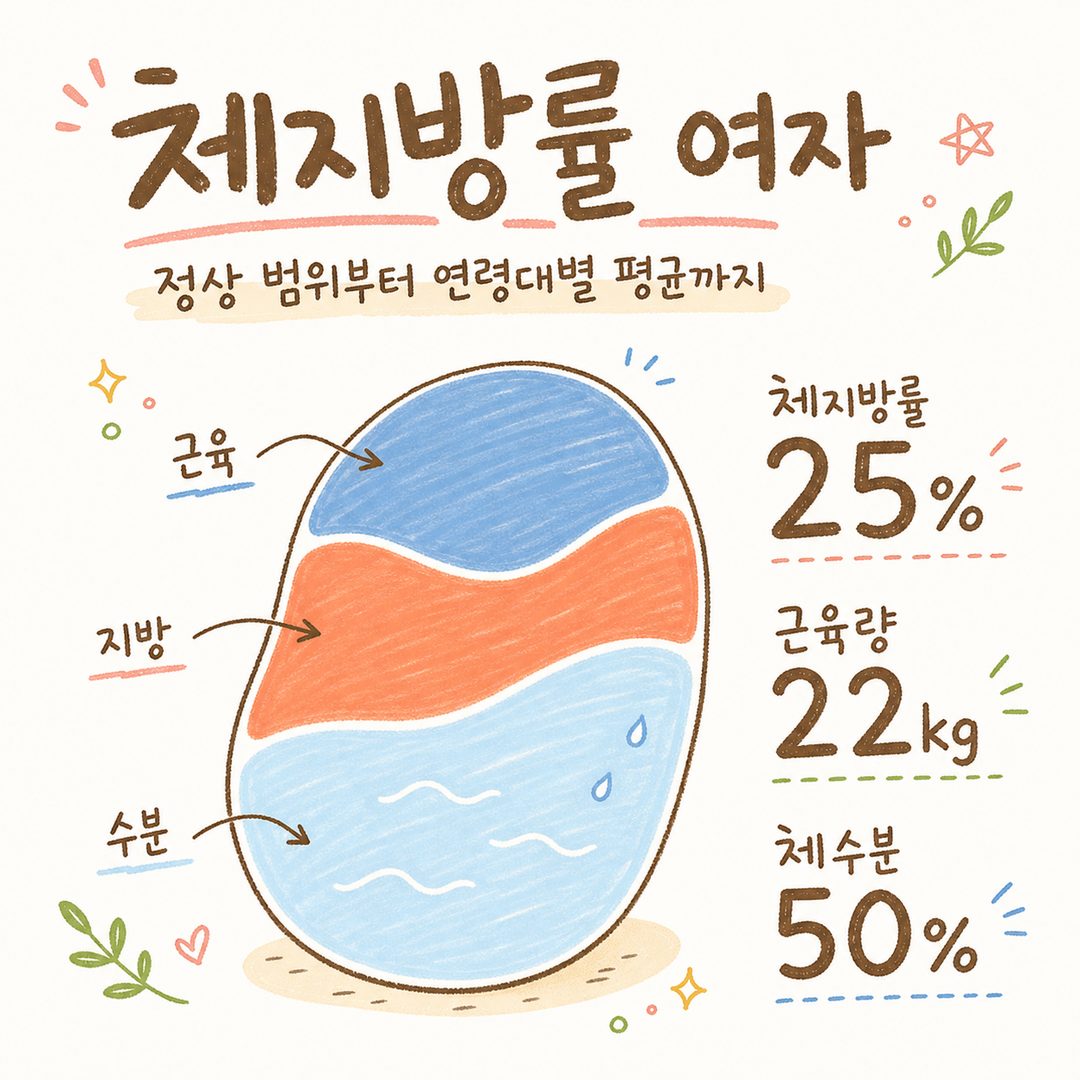
체지방률 여자 — 정상 범위부터 연령대별 평균, 측정 한계까지
진료실에서 체중계 숫자만 들고 "이 정도면 괜찮은 거죠?" 물으시는 분들, 정말 많아요. 그런데 같은 55kg이어도 어떤 분은 탄탄하시고, 어떤 분은 옷이 자꾸 끼인다고 하세요. 차이는 거의 **체지방률**에서 갈려요. 저도 진료를 시작하기 전엔 체중만 들여다봤는데, 인바디 결과를 매주 보면서 생각이 완전히 바뀌었어요. 여자분들 다이어트 상담에서 체중보다
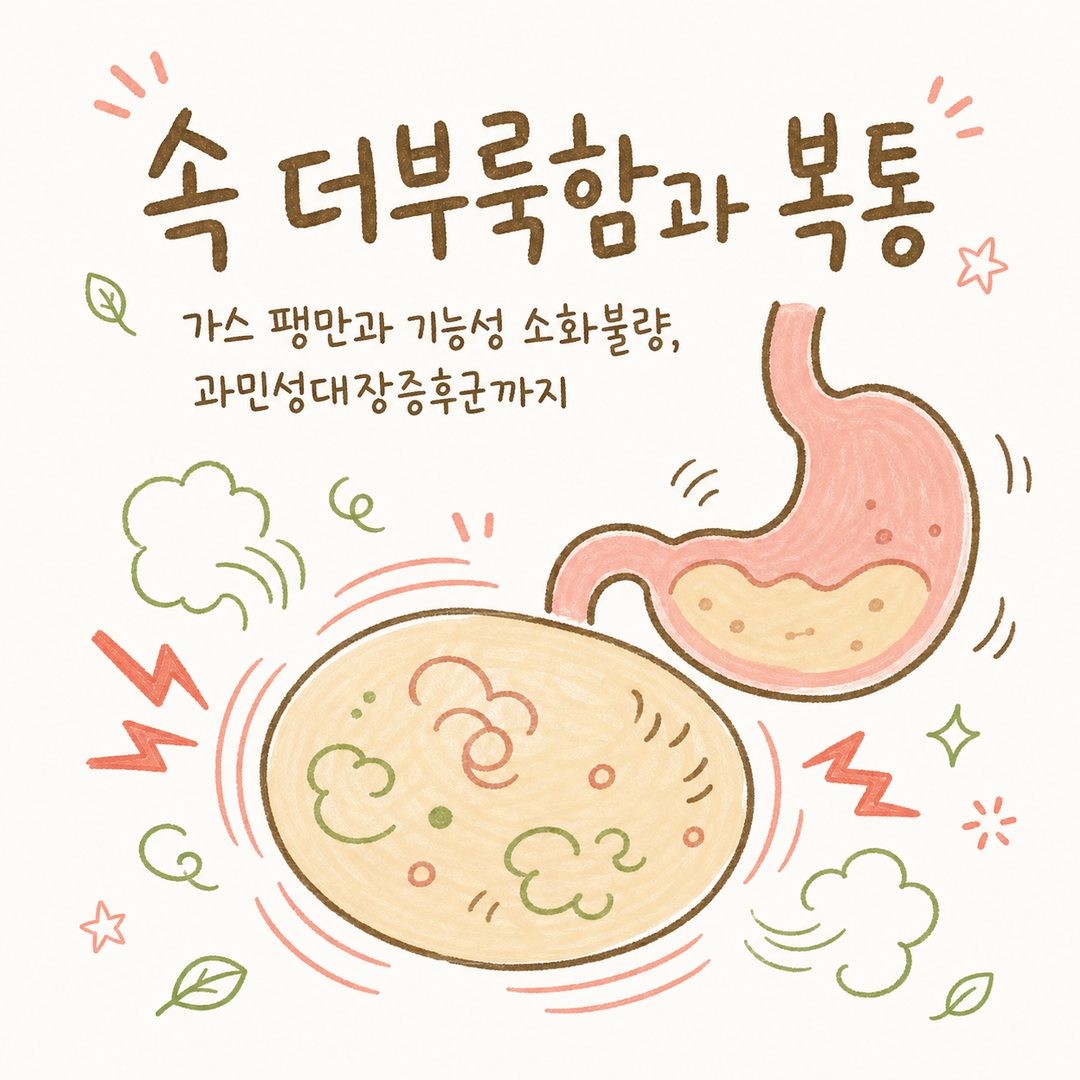
Bloating and Abdominal Pain: From Gas to IBS
When a heavy, bloated feeling is accompanied by sharp abdominal pain after every meal, it’s easy to feel discouraged. I hear this complaint often in my clinic. It’s usually more than just simple indigestion; it’s a signal from your body.
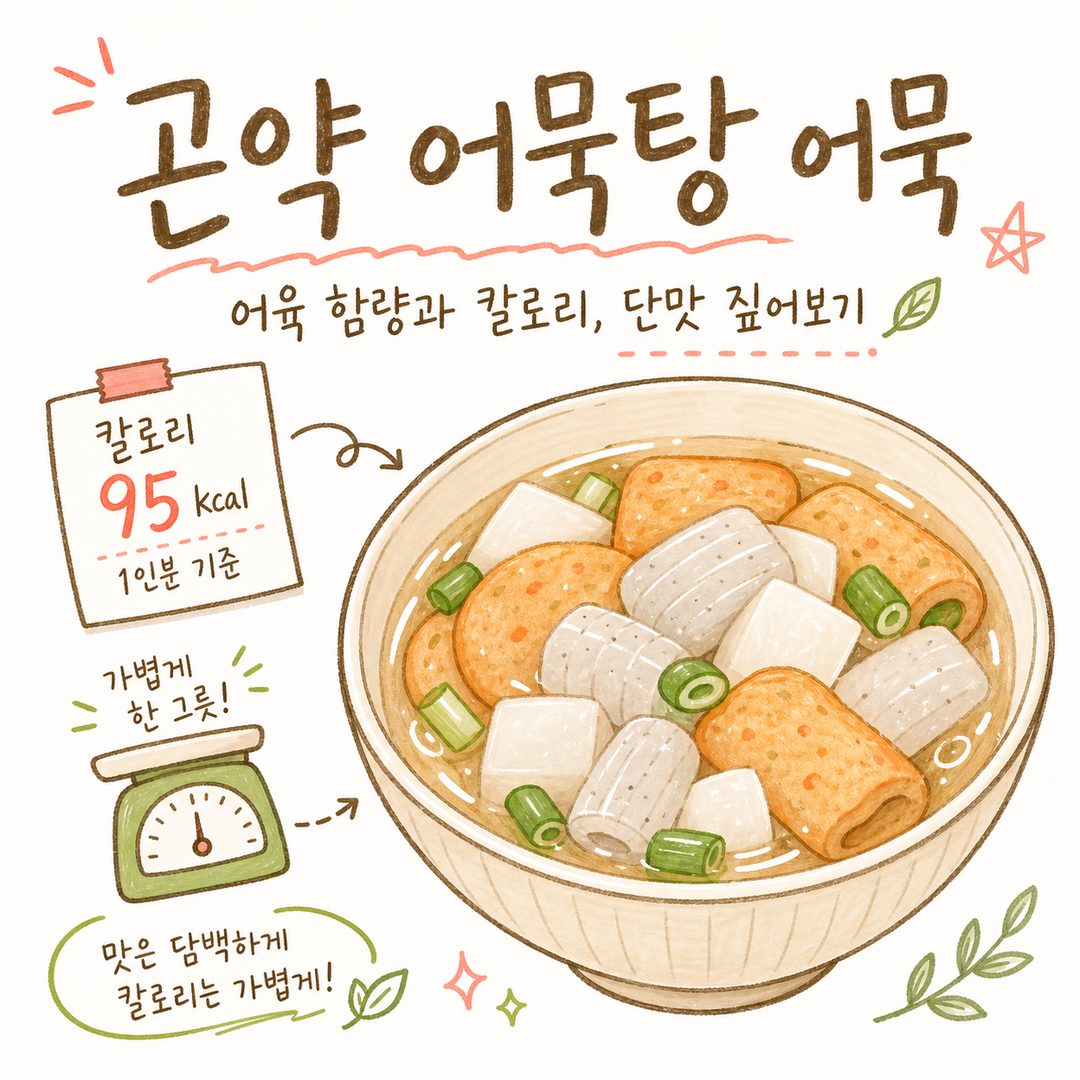
곤약 어묵탕 어묵 — 어육 함량과 칼로리, 단맛 짚어보기
다이어트 중인데 따끈한 국물이 당기는 날이 있죠. 그럴 때 곤약 어묵탕을 떠올리시는 분이 많은데, 막상 마트에 가면 어떤 어묵을 골라야 할지 한참 망설이게 되더라고요.
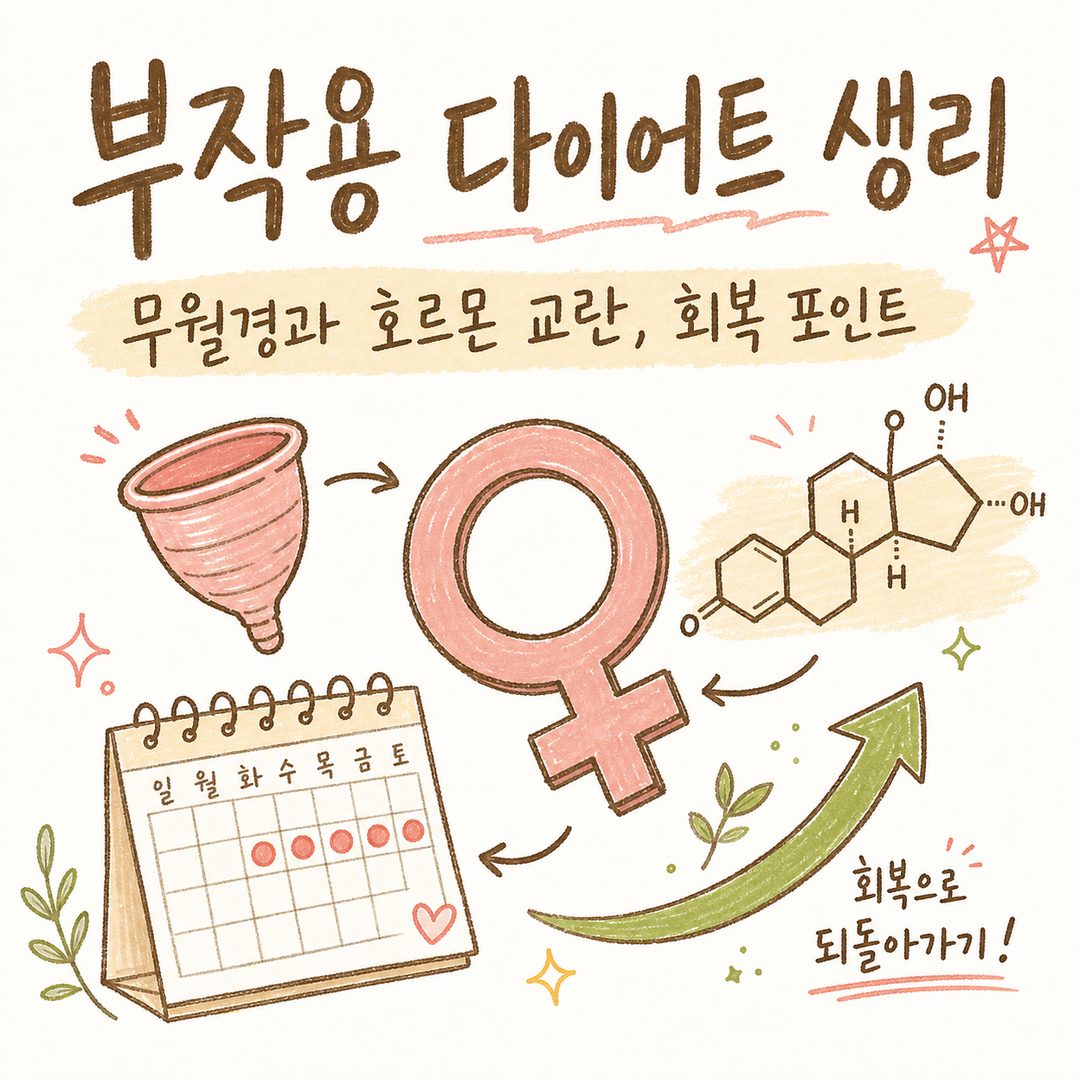
Diet & Menstruation: Amenorrhea and Hormonal Recovery
Have you experienced irregular periods or a significant decrease in flow after starting a diet? While the numbers on the scale may be going down, your body might be flashing a warning signal, leaving you feeling uneasy.
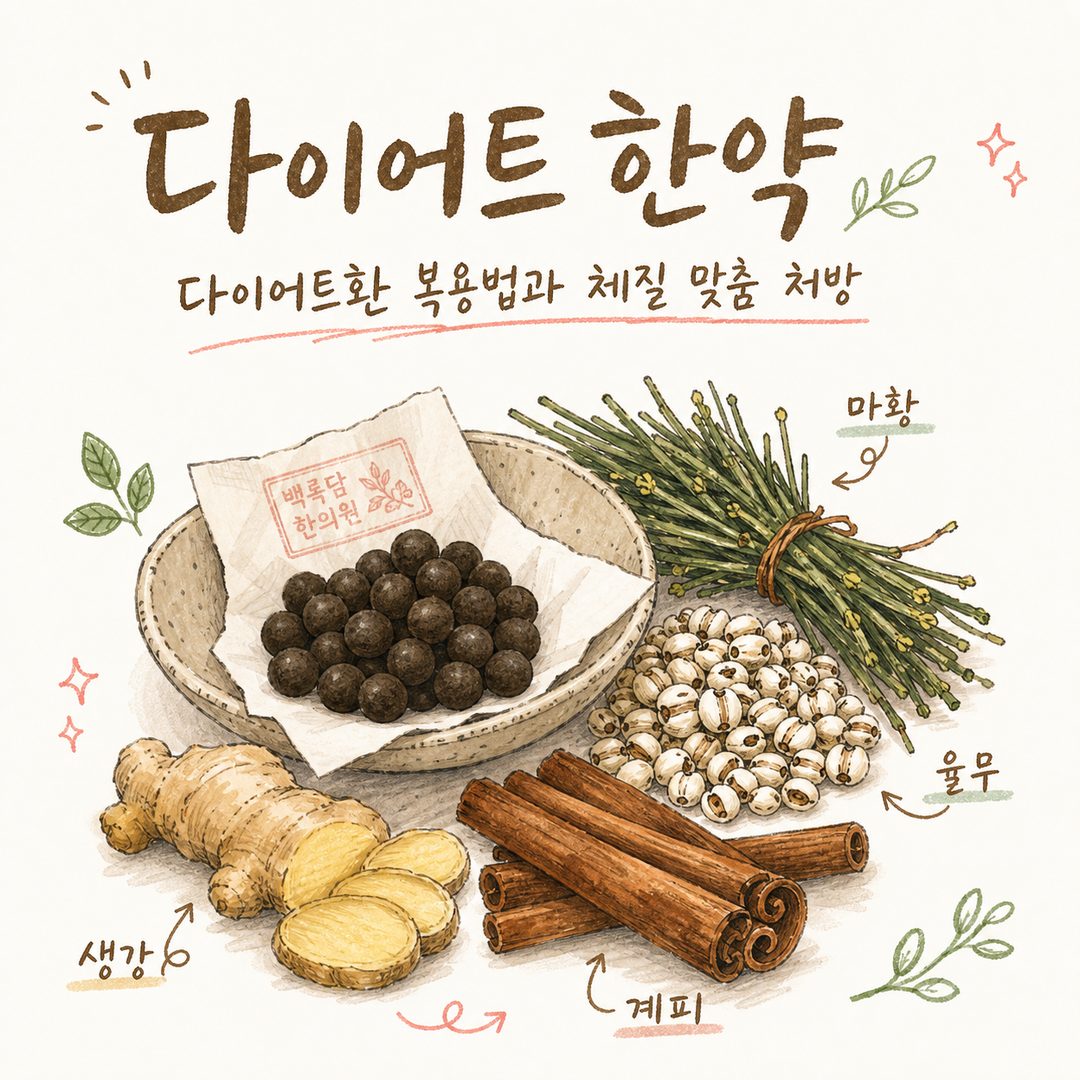
Korean Herbal Diet Medicine: Usage & Personalized Care
Learn how Korean herbal diet pills like Baekrok Gambi-hwan work by suppressing appetite and boosting metabolism. Discover personalized weight management strategies and essential lifestyle tips for sustainable results at Baekrokdam Clinic.
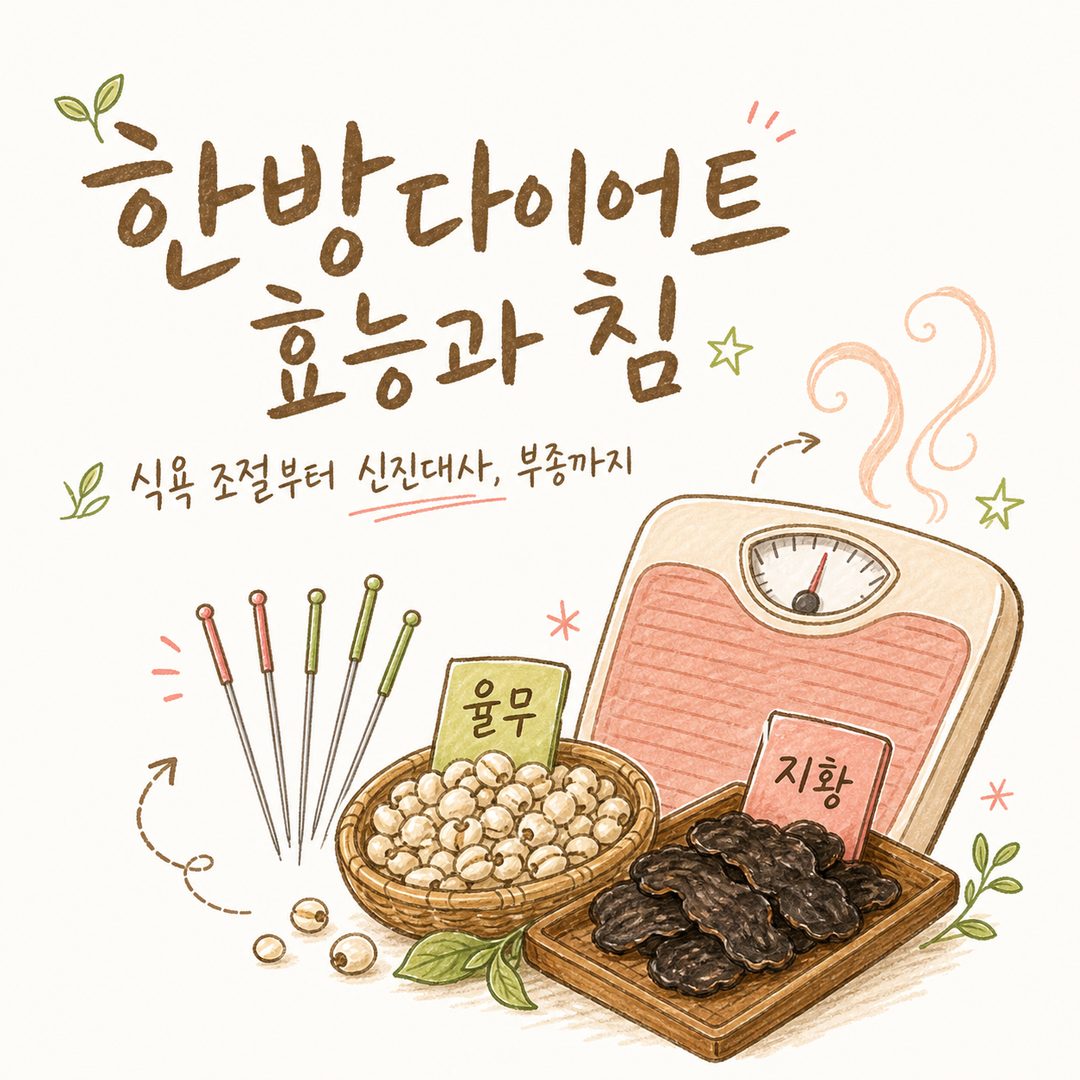
한방다이어트 효능과 침 — 식욕 조절부터 신진대사, 부종까지
---
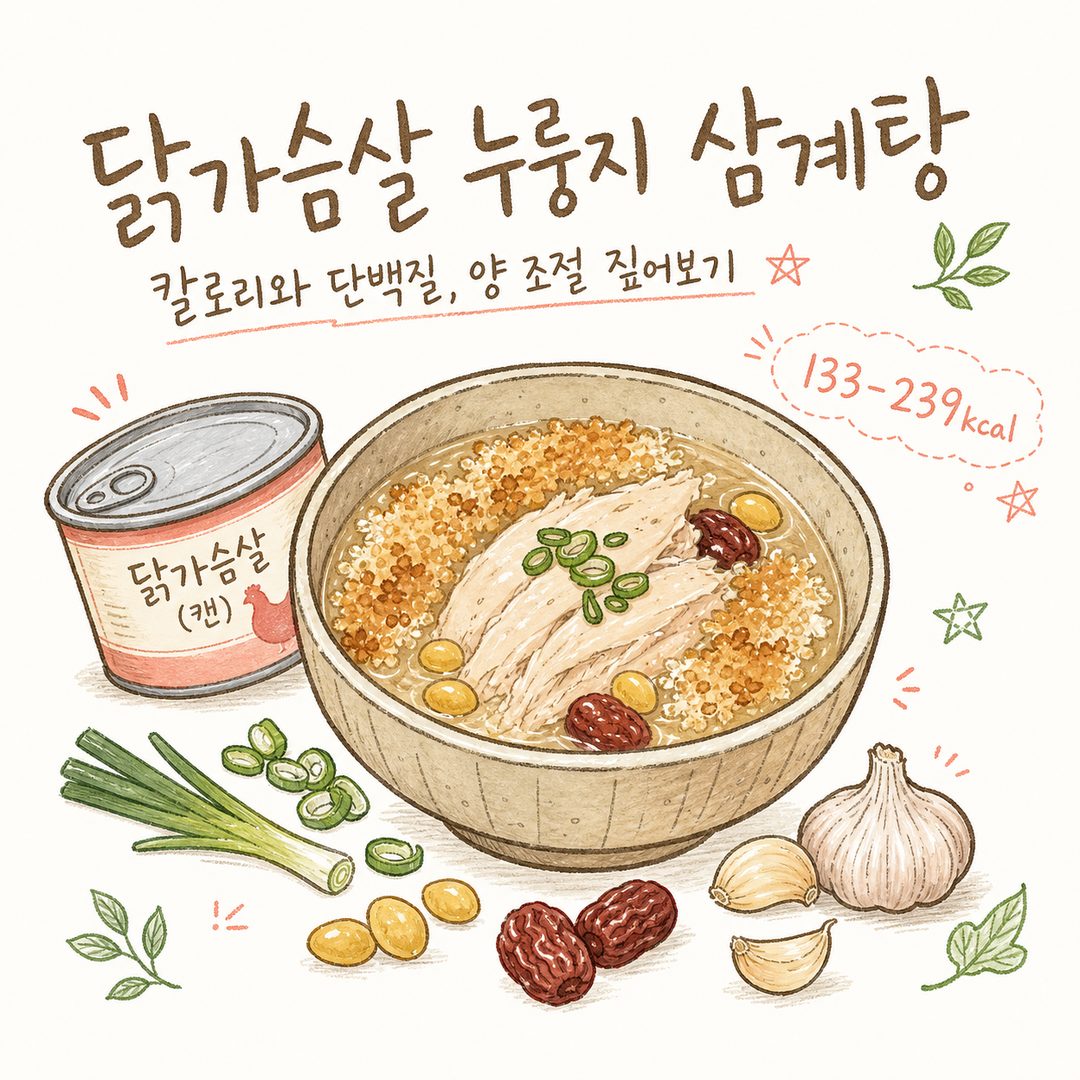
Chicken Breast Nurungji Samgyetang: Calories & Portions
Learn how to enjoy Chicken Breast Nurungji Samgyetang while dieting by managing calories, protein, and portion sizes for healthy weight management.
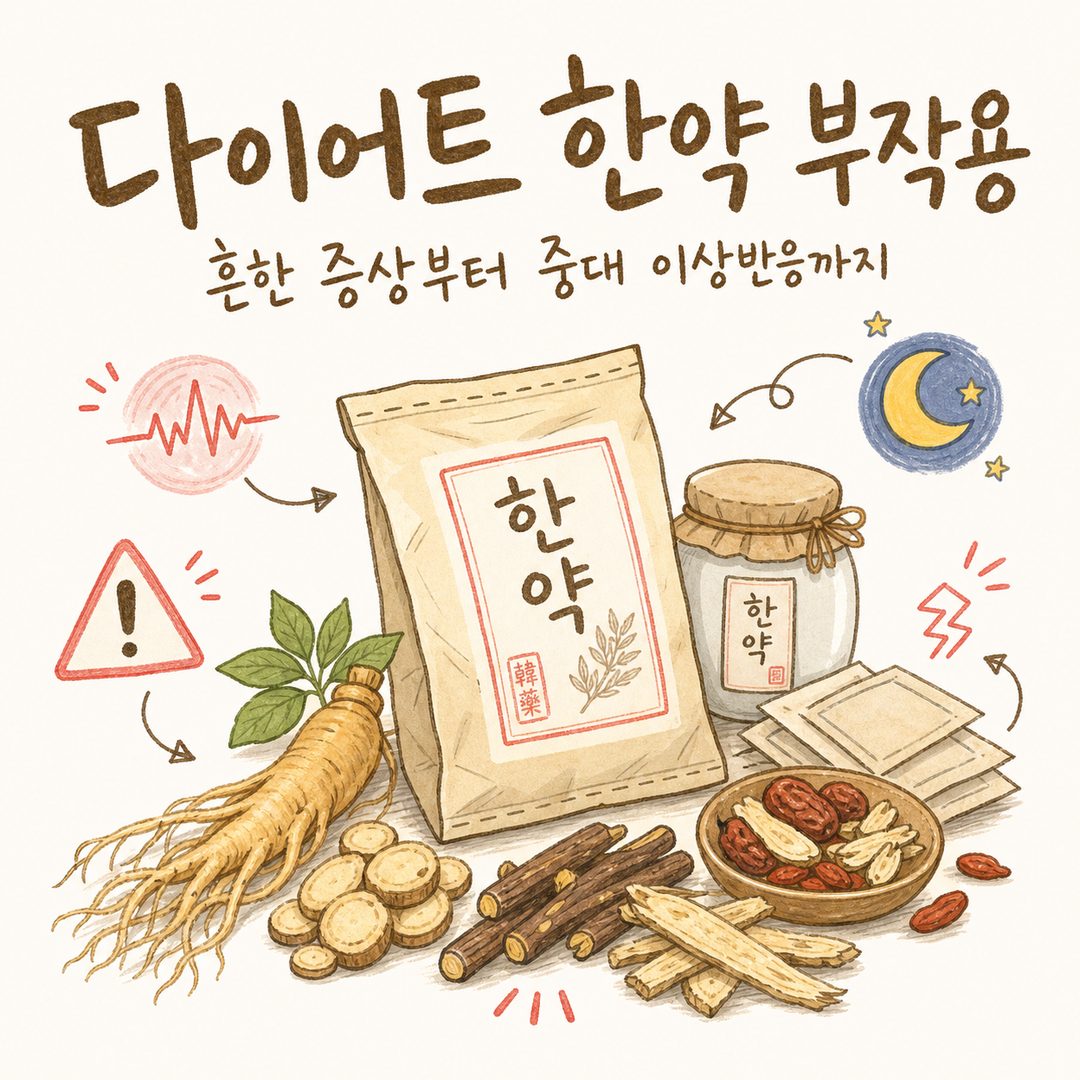
Side Effects of Korean Medicine Diet: A Safety Guide
"Will herbal medicine strain my body?" This is a common question in the exam room. It's natural to hesitate when seeing reviews about dizziness, insomnia, or palpitations. I prioritize safety above all else when prescribing. Today, I'll honestly discuss reported side effects of Korean medicine diets and how to approach weight management safely.
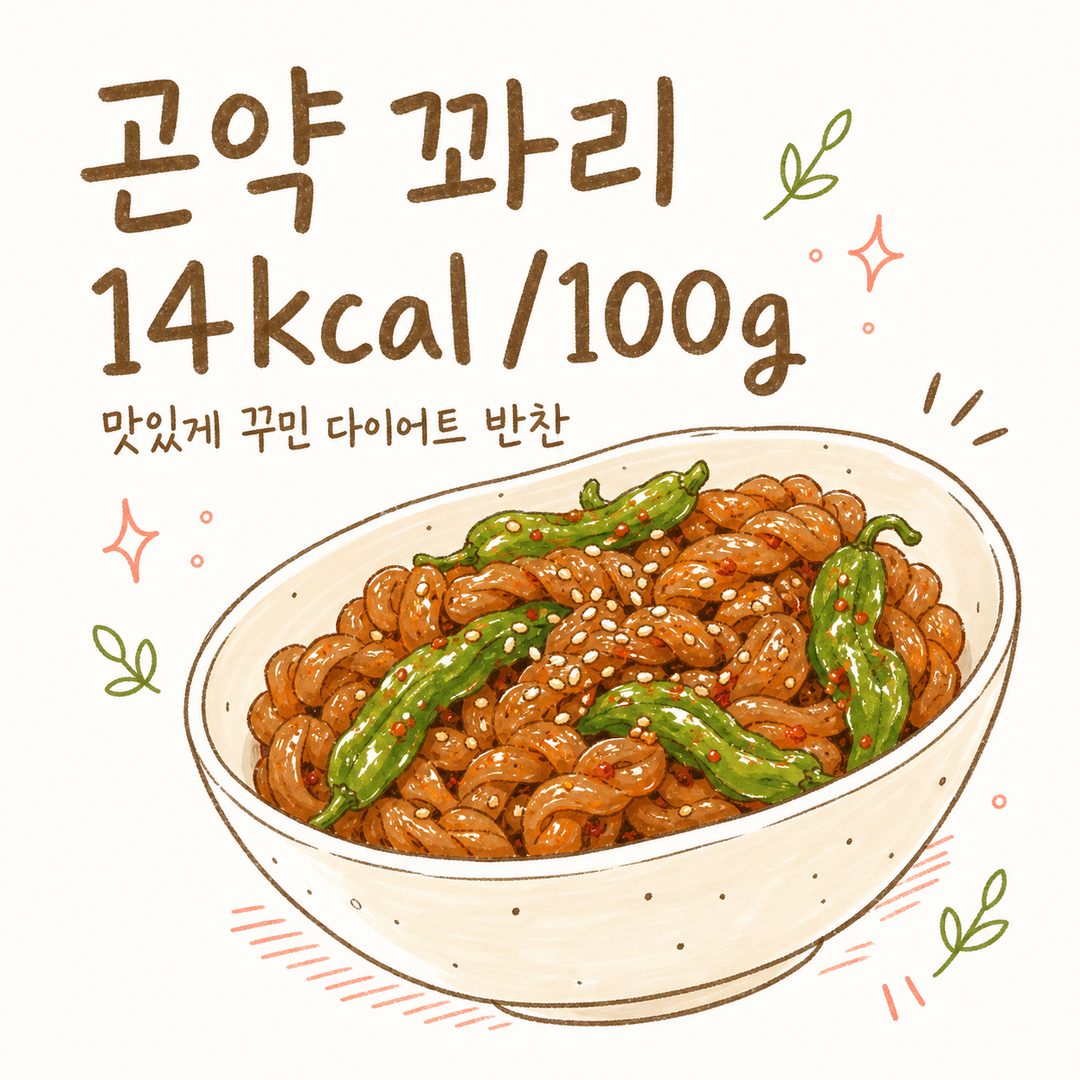
How to Make Braised Konjac Twists: A Low-Calorie Recipe
While on a diet, you often crave savory snacks. Many patients ask, "Doctor, is there a way to make konjac taste better?"
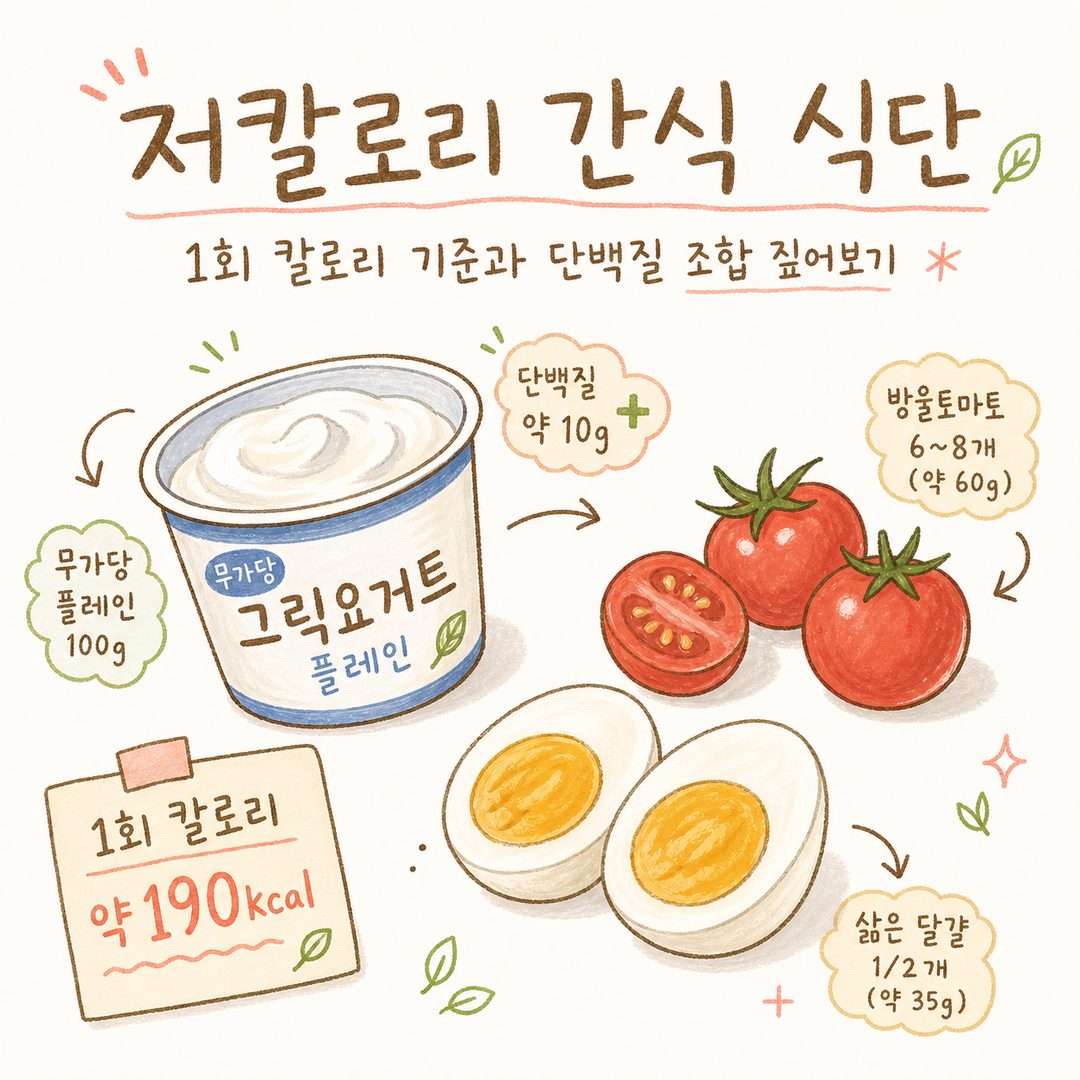
Low-Calorie Snack Guide: Calorie & Protein Standards
When consulting for weight management, the most common sigh I hear is: "Doctor, I can cut down on meals, but I just can't quit snacking." I know that feeling well. The problem is that "enduring" doesn't last long. Snacks blocked by willpower often return as binges. Instead of quitting, change your snack standards.
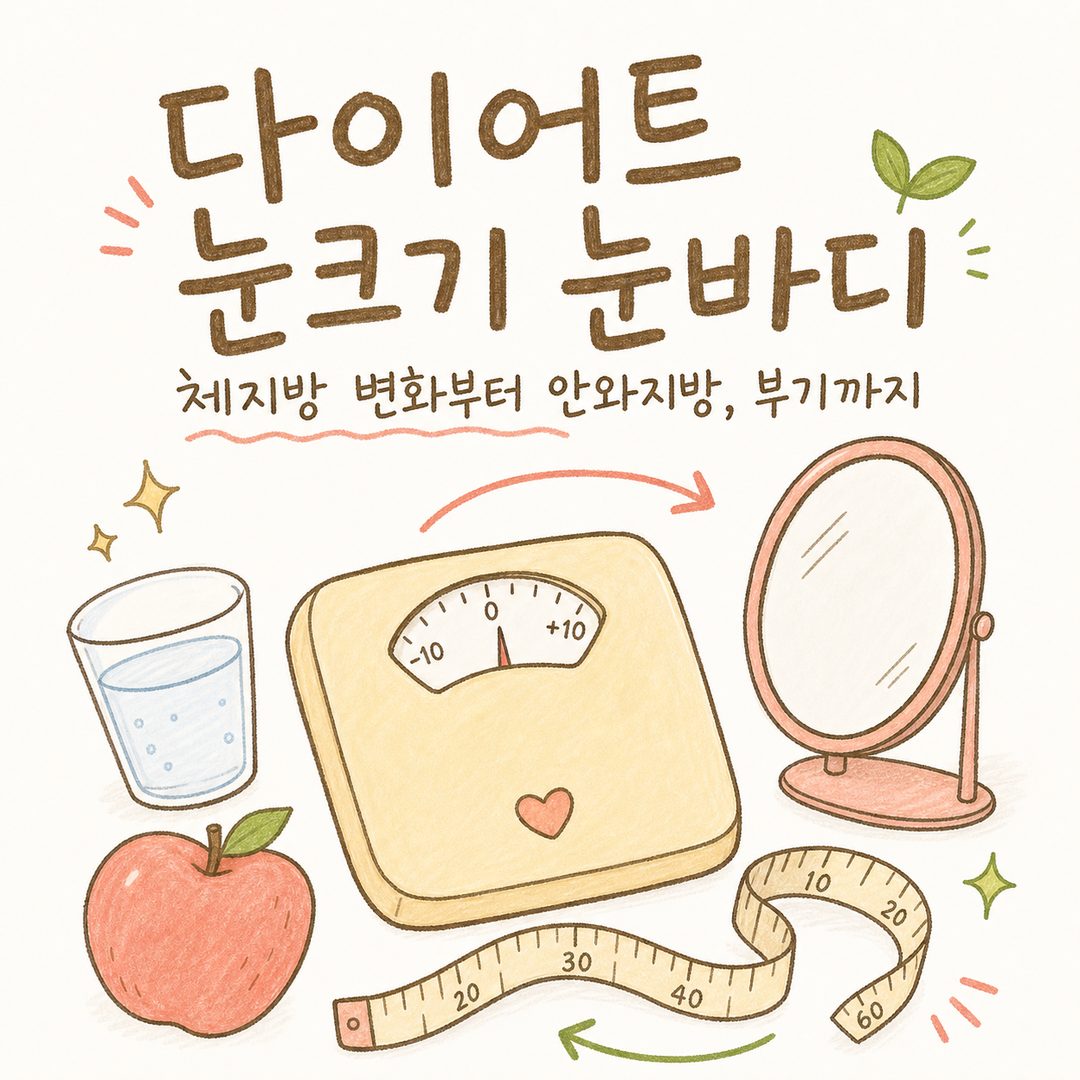
Diet and Eye Size: From Body Checks to Orbital Fat
Have you ever sighed in front of the mirror because your eyes looked smaller than yesterday? At Baekrokdam, we look beyond the scale at "Noon-body" (visual checks) to see how weight management reveals your true eye size by reducing swelling and fat.
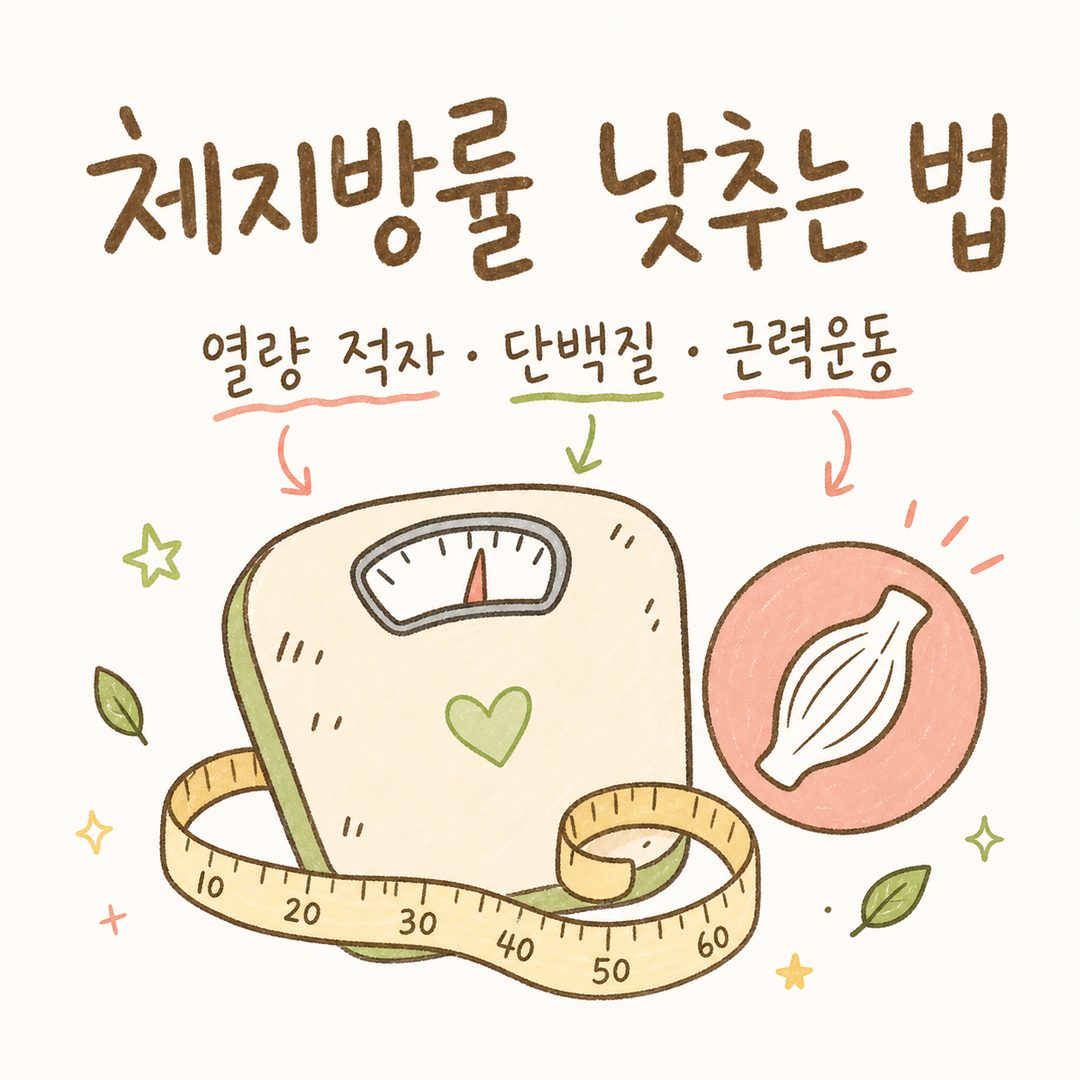
How to Lower Body Fat: Calorie Deficit & Strength Training
Seeing your body fat percentage can be discouraging. In the clinic, I often hear, 'Doctor, I lost weight, but my body fat percentage is the same.' The principle is simple: eat slightly less, protect muscle, and move more. However, rushing leads to yo-yoing and muscle loss. Based on Korean data, let's explore how to approach this step-by-step.