
Blog & Columns
Useful information about health and Korean medicine.
Total 875 posts
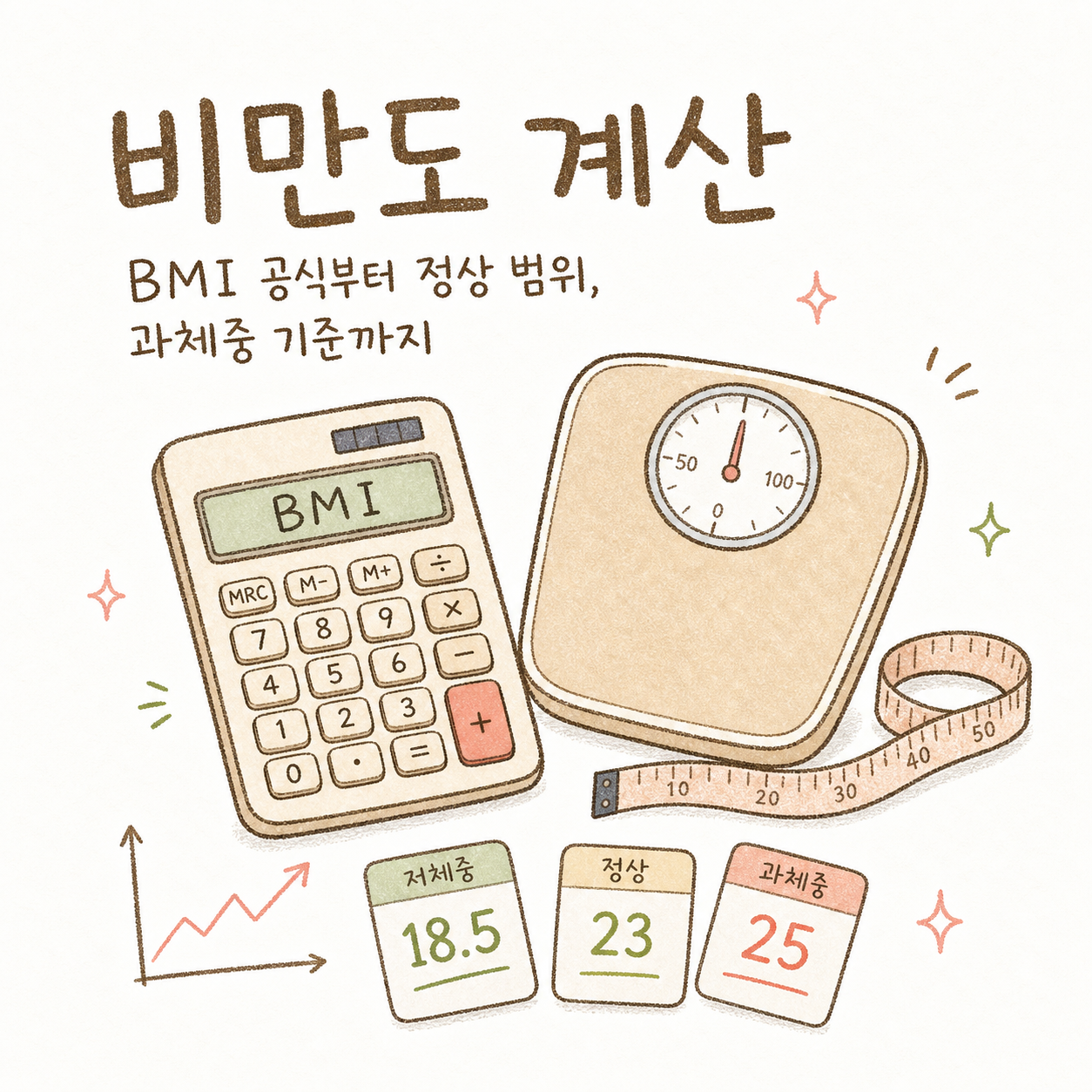
BMI & Obesity: Formula, Normal Ranges, and Criteria
A common question I hear in the clinic is, "Doctor, am I actually overweight, or is it just in my head?" While not a perfect metric, calculating your BMI is a great starting point to see the big picture of your health. Let’s look at the official standards together.
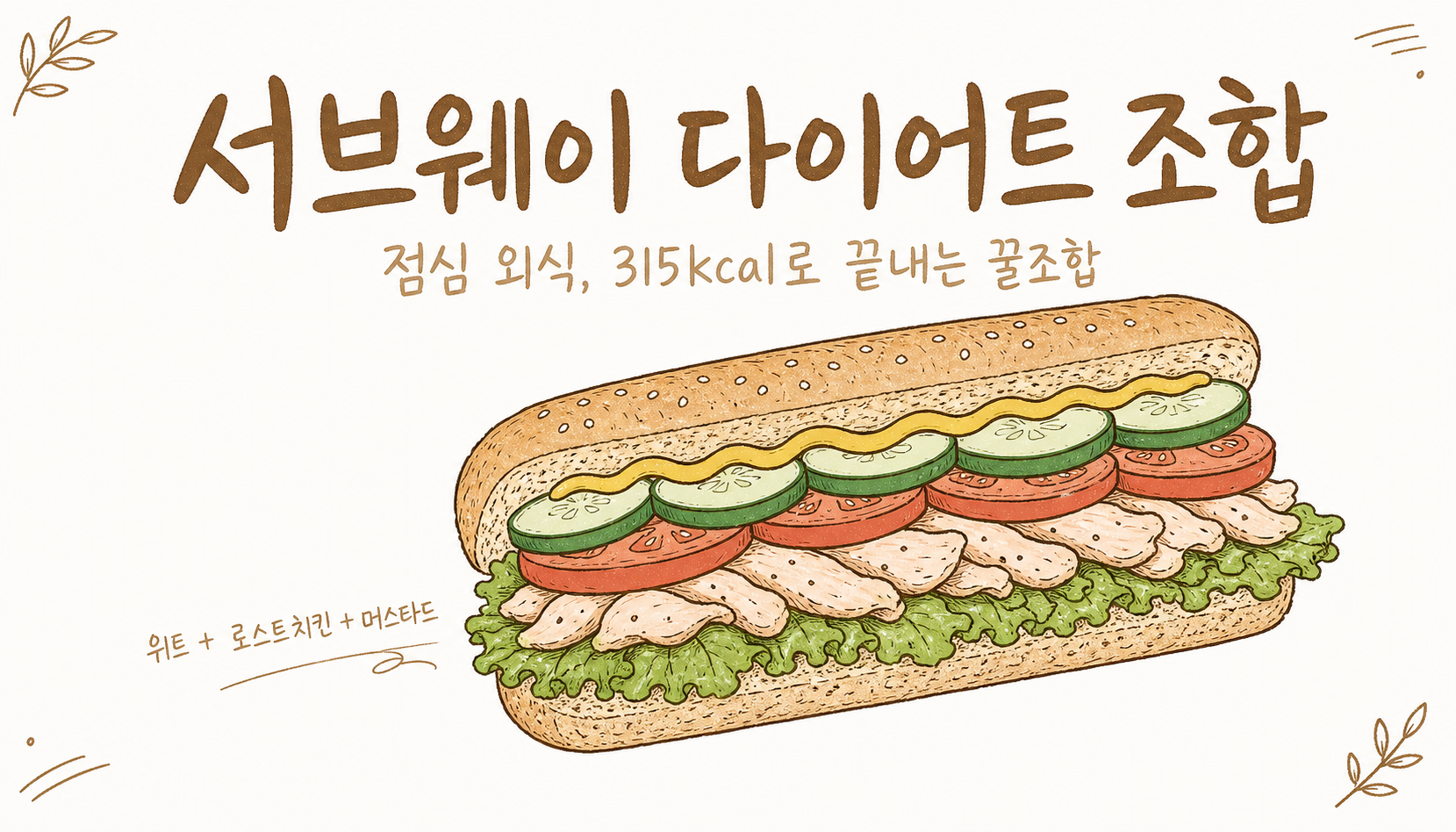
Subway Diet Guide: 315kcal Lunch Combinations
Struggling with lunch plans while on a diet? Here is a guide to managing your calories at Subway for a stress-free meal.

Clinical Diary #04 — Shivering Body, Flowing Sweat
A clinical case exploring the paradox of feeling cold while sweating, and how Traditional Korean Medicine addresses autonomic nervous system imbalances caused by chronic sleep issues and stress.

Breaking Through Diet Plateaus — Strategic Use of Refeed and Sleep to Wake Up Metabolic Adaptation
Do you remember that thrilling weight loss speed when you first started your diet and exercise routine? But at some point, even if you eat only chicken breast and increase your workout intensity, the numbers on the scale stop moving. This is when many people blame themselves, thinking "Is my willpower not strong enough?" or make the extreme choice of further reducing their food intake. I also had similar experiences in the past, and I remember feeling dizzy after starving myself and eventually leading to binge eating.

Causes of Diet Plateau — Body Signals That Don't Lose Weight Even When Eating Less and How to Restore Metabolism
When you first start adjusting your diet and exercising, the numbers dropping consistently must have felt great. But at some point, you've probably experienced the scale suddenly stopping. That's when many people wonder, "Is my willpower lacking?" or "Is my body just not meant to lose weight?" Rather than concluding you lack discipline, a plateau is actually a survival signal from your body—it has adapted to your reduced calorie intake. The real issues lie in metabolic adaptation, hormonal imbalances, and hidden lifestyle patterns. Here's how to identify and overcome them.

Diet for Sedentary Office Workers — The Power of Micro-Breaks that Wake Up Stalled Metabolism
I often see office workers in my clinic who spend nearly the entire day—9 AM to 6 PM—glued to their chairs. Their common frustration is, "I'm eating so little, so why isn't the weight coming off?" They show me their meal plans, frustrated, and when I calculate the numbers, the calories are genuinely low. Yet the scale refuses to budge.

Skip Breakfast Diet — The Correlation Between Intermittent Fasting and Blood Sugar Spikes
I keep hearing that you can lose weight just by skipping breakfast, but is that really true?

Does Drinking More Water Help You Lose Weight: The Real Impact of Hydration on Metabolism and Appetite
When I consult with patients about dieting in the clinic, there's one question I hear really often. "Doctor, does drinking more water really help me lose weight?" Some patients diligently drink 4-5 liters of water daily, while others avoid it thinking that water intake actually causes bloating.

How to Stop Late-Night Snacking: Blood Sugar & Sleep
Have you ever experienced that intense hunger that suddenly hits at 10 PM? It’s often not a matter of willpower, but a signal from your body's internal system. Learn how to break the cycle by understanding blood sugar, hormones, and Traditional Korean Medicine principles.

Stress-Induced Binge Eating — How to Manage False Hunger and Autonomic Nervous System Imbalance
Have you ever arrived home after work, knowing you weren't hungry, yet suddenly found yourself obsessed with a specific food and mindlessly devouring it the moment you opened the door? Afterward, what floods in isn't a sense of fullness, but rather feelings of self-reproach and heaviness, with that nagging 'why did I do that?' sentiment. I understand that feeling well — there was a time when my work stress reached its peak...
Sleep Deprivation Weight — Why Do You Gain Weight and Experience Food Cravings When You Can't Sleep?
During diet consultations in the clinic, I often encounter a truly regrettable pattern. There are patients who faithfully maintain their diet and exercise regularly, yet the numbers on the scale stubbornly refuse to budge. When I have deeper conversations with these individuals, a common culprit emerges in every case. It's 'sleep.'

Real vs. Fake Hunger: A TKM Perspective
Learn how to distinguish physiological hunger from emotional cravings through the lens of Traditional Korean Medicine and hormonal balance to master appetite control.