Only people currently living in Korea with their own Korean 010 mobile number can apply. Overseas residents are not eligible.
Causes of Ichthyosis: Differences Between Hereditary Skin Keratinization Disorders and Acquired Causes
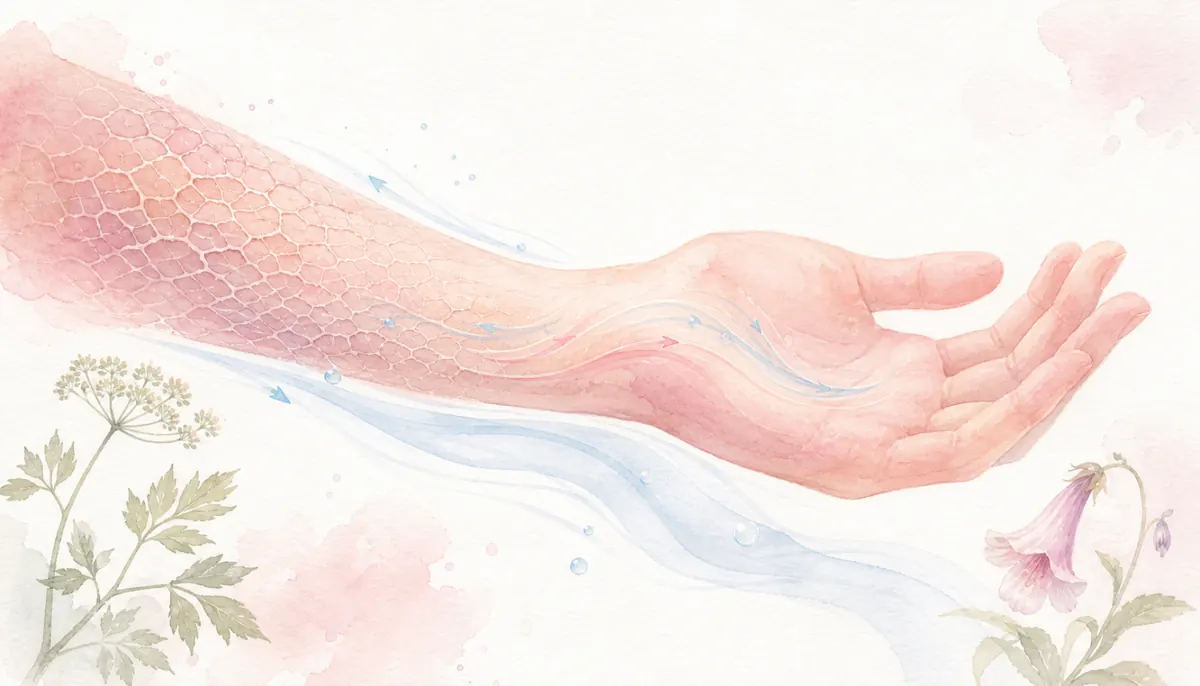
Ichthyosis is not a single disease, but a group of disorders where the process of skin shedding and regeneration does not function properly, leading to a buildup of thick, rough scales. Most cases begin at birth or during childhood due to genetic abnormalities; the inheritance pattern, affected areas, and severity vary by type. Ichthyosis that first appears in adulthood is not automatically assumed to be hereditary, as it may be related to other health issues or reactions to specific medications. It is not caused by poor hygiene or a "cold constitution"; instead, we evaluate the age of onset, family history, overall health, and current medications.
Information on the Causes of Ichthyosis
Key points
1Hereditary ichthyosis is related to genetic abnormalities involved in the skin shedding and regeneration process.
2Scaly skin that develops for the first time in adulthood may hide acquired causes related to other health problems or medications.
3It is not attributed to simple dryness, hygiene issues, or a single specific food.
Distinguishing Causes
Evaluating the cause based on age of onset and skin distribution
We consider the hereditary or acquired context along with the risk of severity.
Observation
Possible Pathway
Clues to Check
Next Step
Persistent since birth or childhood
Possibility of hereditary ichthyosis
Family occurrence and distribution by type
Dermatological type evaluation
Dry scales centered on arms and legs
Context of relatively mild genetic type
Changes in skin folds and by season
Moisturizing and progress tracking
Membrane, blisters, or widespread redness at birth
Possibility of severe congenital type
Heat loss, infection, and hydration
Specialized center evaluation
First occurrence in adulthood
Possibility of acquired ichthyosis
Changes in health or medications
Review of underlying diseases and medications
Decreased sweating, overheating, or infection
Strain on skin barrier and temperature regulation
Body temperature, pain, and wounds
Prompt medical evaluation
What the clinic checks first
Is ichthyosis caused by not washing the skin enough?
No. It is a group of disorders related to genetic abnormalities in the skin shedding and regeneration process, or health issues and medications in adulthood. Excessive washing can actually worsen dryness and cracking.
More detail
Disruption of the Skin Shedding and Regeneration Process
Dead skin cells do not shed normally
Because the process of continuous skin shedding and regrowth to form a barrier does not work properly, thick and rough scales accumulate.
The affected area varies by type
The extent of involvement—ranging from parts of the arms and legs to the torso, face, ears, or the entire body—as well as the presence of blisters, redness, and thickness, varies by type.
Different from simple dry skin
We distinguish keratinization disorders from general dryness by observing the characteristic long-lasting scales, the timing of onset, and the distribution pattern.
Hereditary Types are Common at Birth or in Childhood
Genetic abnormalities affect skin function
The cause is a genetic abnormality involved in skin shedding and regeneration; some are inherited from parents, while others occur as new mutations.
Inheritance patterns differ by type
Since the mode of transmission, gender prevalence, and severity differ—such as in common ichthyosis, X-linked, or congenital types—an accurate type evaluation is important.
Not the fault of the patient or parents
It should not be concluded that the condition was caused by washing habits, lack of moisturizing, or specific actions of a guardian, nor should there be any self-blame.
Identifying Acquired Causes in Adults
May appear alongside other health issues
If extensive scaling first appears in adulthood, we look beyond the skin to check for systemic health changes and symptoms that began at the same time.
Reviewing the timeline of medications
We check if skin changes began after starting a new medication. Please share all prescriptions and over-the-counter drugs, but do not discontinue any suspected medication arbitrarily.
Cause evaluation comes before herbal medicine treatment
Consultations at Baekrokdam do not replace dermatological diagnosis of the type or the review of acquired causes and medications; they serve as a supplement for managing chronic skin discomfort.
Baekrokdam's perspective on the causes of ichthyosis
We first distinguish between genetic types (birth/childhood) and acquired types (adulthood)
Sudden infections, overheating, and newborn barrier risks require immediate evaluation over Korean herbal medicine treatment at Baekrokdam. For chronic or recurring scales, we align the age of onset, family history, distribution, health changes, and medication timelines; please note that Korean herbal medicine treatment does not replace dermatological type diagnosis or tests for acquired causes.
01 · Acute Safety
Screening for infection, overheating, and newborn risks
We check for body temperature and hydration maintenance, pain, pus, fever, decreased sweating, and dizziness to connect you to the necessary immediate medical care.
02 · Distinguishing Causes
Aligning the timeline of onset, distribution, and family history
We examine whether the condition started at birth or childhood or developed in adulthood, alongside family skin history, medications, and changes in health.
03 · Korean Herbal Medicine Treatment
Supporting chronic discomfort after diagnosis
While maintaining dermatological care and treatment for acquired causes, we track changes in skin cracking, itching, sleep, and activity burdens.
Preparing the age of first onset, photos, similar skin conditions in the family, changes by area or season, and information on medications or health issues will help safely determine the scope of Baekrokdam's supportive consultation.
Frequently asked questions
Is ichthyosis always hereditary?
Most cases are related to genetics, though the patterns of inheritance vary. There are also acquired types that develop in adulthood due to other health issues or medications.
Can it suddenly develop in adults?
Yes. If it first appears during adulthood, acquired causes—including general health issues and medications—are evaluated.
How is it different from general dryness?
A dermatologist will evaluate the age of onset, distribution, characteristic long-lasting scales or thickening, and accompanying issues to make a distinction.
Should I stop taking the causative medication immediately?
No. Review the timeline between the suspected medication and skin changes with your prescribing physician; do not discontinue medication arbitrarily.
Sources
NHS — IchthyosisHereditary and acquired causes and skin changes by type