BRD Clinic
Only people currently living in Korea with their own Korean 010 mobile number can apply. Overseas residents are not eligible.

Ichthyosis Treatment: Daily Moisturizing, Exfoliation, and Prevention of Infection and Overheating

Treatment for ichthyosis mostly focuses on long-term symptom management. Apply sufficient moisturizer while the skin is still damp after a lukewarm bath or shower, and use a mild moisturizing cleanser instead of soap. Depending on the thickness and type of skin, a dermatologist may prescribe creams to reduce scaling or retinoid therapy for severe cases; if an infection occurs, it is treated based on the cause. For acquired ichthyosis, related health issues or medications are coordinated with medical staff. Clothing and bedding contaminated with paraffin-containing moisturizers can be highly flammable, so keep them away from fire. Those with reduced sweating should prevent overheating during hot weather or exercise.

Ichthyosis Treatment Guide

Ichthyosis: Illustration for this condition

Key points

  1. 1Daily moisturizing immediately after bathing and replacing soap are central to managing the skin barrier.
  2. 2The use of keratolytics, retinoids, and infection treatments is determined by a dermatologist based on the type, severity, and potential side effects.
  3. 3Fire hazards from paraffin moisturizers and overheating due to reduced sweating must be included in the treatment plan.

Treatment Options

Progressing from barrier management to type-specific prescriptions and complication treatment

Combinations are tailored based on skin thickness, extent, and the risk of infection or overheating.
Core IssuePrimary Treatment AxisTracking Items
Dryness, scaling, and crackingMoisturizing immediately after bathing and using soap substitutesThickness, tightness, pain
Persistent thick scalesDermatological keratolytic treatmentIrritation, cracking, reaction
Widespread severe scalingProfessional retinoid reviewSkin and systemic side effects
Pain, pus, feverInfection evaluation and cause-specific treatmentSpread, body temperature, recovery
Reduced sweating, heat discomfortCooling, hydration, activity adjustmentBody temperature, dizziness, lethargy
Chronic cracking or sleep burden after standard treatmentConsultation for supportive Baekrokdam Korean herbal medicine treatmentComfortable timing, sleep, activity function

What the clinic checks first

Must I completely remove the dead skin for the treatment to work?

No. Forceful removal increases damage to the skin barrier. Manage thickness, cracking, and function safely through consistent moisturizing and the scaling treatments prescribed by a dermatologist.

More detail

Protecting the Skin Barrier Daily

Moisturize Immediately After Bathing

Wash with lukewarm water and apply a non-irritating moisturizer generously while the skin is still damp to reduce moisture loss and cracking.

Avoid Regular Soap and Harsh Friction

Use a mild moisturizing cleanser and do not forcibly remove dead skin using exfoliating mitts or scrubs.

Choose a Formulation That Fits Your Lifestyle

Coordinate with a dermatologist to select a sustainable lotion, cream, or ointment considering the affected area, season, clothing, and school or work environment.

Treatment Based on Severity and Cause

Reduce Thick Scaling with Prescribed Treatment

Use keratolytics selected by a dermatologist on the designated areas and amounts; if stinging or cracking increases, a re-evaluation is necessary.

Consider Systemic Treatment for Severe Cases

If there is extensive scaling or a significant functional burden, a specialist dermatologist will compare the expected benefits and side effects of retinoids.

Treat Infections and Acquired Causes Separately

Infections are treated according to the cause, and new onset in adulthood is coordinated with the prescriber regarding related health issues or medications.

Ensuring Safety from Fire, Overheating, and Long-term Use

Keep Paraffin Moisturizers Away from Open Flames

Keep clothing and bedding contaminated with the product away from smoking, candles, gas flames, and heaters, and share these fire risks with family members.

Actively Avoid Heat if Sweating is Reduced

Plan for cooling, hydration, and rest on hot days and before exercise; if dizziness, lethargy, or hot skin occurs, cool down immediately.

Define the Supportive Scope of Korean Herbal Medicine

Korean herbal medicine does not replace standard treatment; its continuation is determined by measurable changes in cracking, itching, sleep, and functional activity.

Treatment and follow-up

Treatment begins with a dermatology clinic identifying the type of ichthyosis and any acquired causes, and protecting the skin barrier by moisturizing and using soap substitutes immediately after daily bathing. Keratolytics, retinoids, and infection treatments are adjusted according to the severity. Baekrokdam Korean herbal medicine treatment does not replace these dermatological care measures or the response to infection and overheating; it is used only as a supplement for chronic cracking, itching, or sleep burden that remains after sufficient management.

Options to discuss

Adequate moisturizing and soap substitutes immediately after bathing

Apply appropriate lotions, creams, or ointments while the skin is still damp after a lukewarm bath, and use a mild moisturizing cleanser instead of regular soap.

Keratolytic and retinoid treatment based on skin thickness

A dermatologist selects the appropriate keratolytic cream based on the area, type, and severity; for widespread severe types, the benefits and risks of retinoids are reviewed.

Management of infections, acquired causes, and body temperature regulation

Infections are treated according to the cause, and for adult acquired types, health and medications are adjusted. If there is a reduction in sweating, a plan for cooling and activity is established.

Limits and cautions

Do not scrub or peel off scales forcefully

Strong scrubbing, friction, or the arbitrary use of high-concentration exfoliating products can increase skin cracking, pain, and infection; please follow the instructions of your dermatologist.

Do not arbitrarily change prescribed medications or medications causing the condition

If you suspect irritation or systemic side effects from keratolytic treatment, or if you suspect a medication is the acquired cause, review all current medications and skin changes with your prescriber.

Be mindful of the fire risk associated with moisturizers

Clothing or bedding contaminated with paraffin products can remain highly flammable even after washing; keep them away from smoking, open flames, and heaters.

What to track

  • Scaling, thickness, and cracking by area
  • Itching, pain, and sleep
  • Use of moisturizers and keratolytic treatments, and irritation
  • Blisters, wounds, and infections
  • Sweat, body temperature, and overheating
  • Hearing, vision, and movement
  • Dressing, school, work, and motor functions

How Baekrokdam approaches care

At Baekrokdam, we first screen for neonatal barrier damage, infection, and overheating, and focus on dermatological type diagnosis and daily moisturizing, exfoliation, and infection treatment. Korean herbal medicine is used only as a supplement for chronic cracking, itching, sleep issues, and activity burdens that persist after sufficient standard treatment, while tracking overall medications and skin reactions together.

  • Skin area, thickness, and cracking
  • Infection, blisters, and wounds
  • Sweat, body temperature, and overheating
  • Response to moisturizing, exfoliation, and systemic treatment
  • Sleep, dressing, school, and work functions

Separate dermatological treatment from supportive goals

While maintaining moisturizing, exfoliation, and infection treatments, we set separate goals for sleep and time spent without cracking or itching to be supported by Korean herbal medicine.

Observe the timeline of skin and body temperature together

We adjust the safe range of daily activities by linking skin changes after bathing or product use with sweat, body temperature, and dizziness during heat or exercise.

Track daily functioning rather than the amount of scaling

We determine the actual benefit by tracking whether the time spent comfortably—without tightness or pain—increases, from dressing in the morning to school, work, exercise, and sleep.

Standard treatment for ichthyosis includes dermatological type and acquired cause evaluation, daily moisturizing and exfoliation management, and necessary retinoids or infection treatments. Neonatal barrier damage, rapid infection, and overheating are evaluated immediately; Korean herbal medicine does not replace or delay these processes.

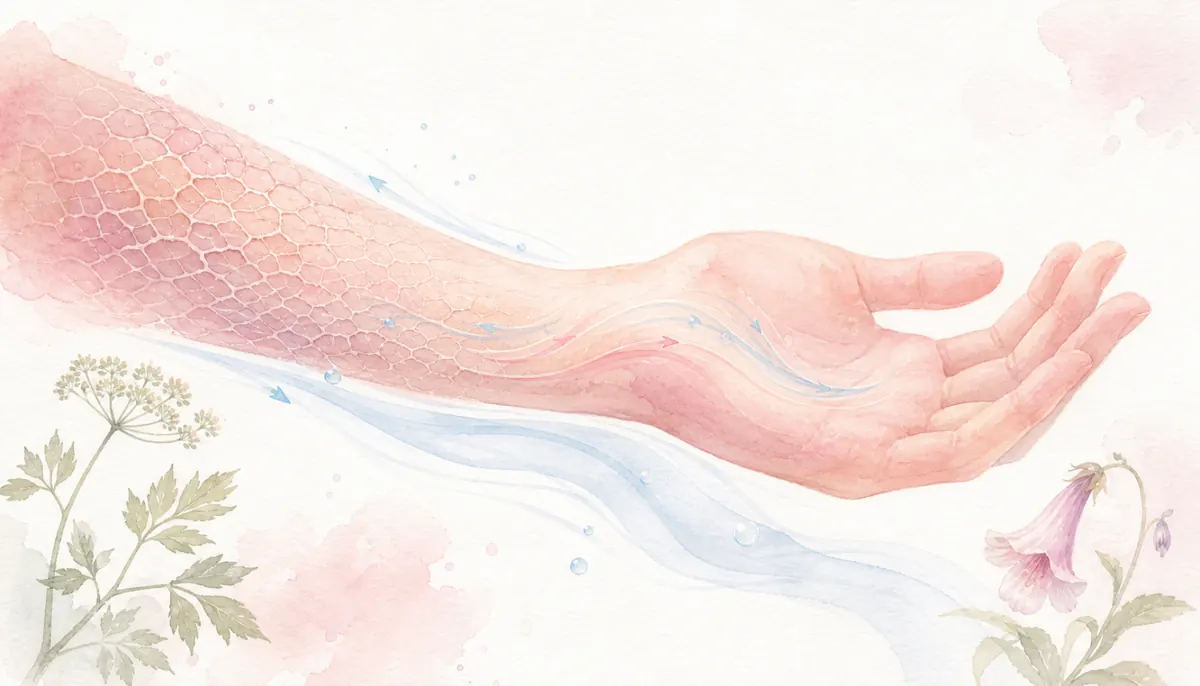
Baekrokdam's perspective on ichthyosis treatment

Tracking skin barrier, body temperature, and daily functioning together

Immediate evaluation takes priority over Korean herbal medicine at Baekrokdam for sudden infection, overheating, and neonatal barrier risks. For chronic or recurrent scaling, dermatological moisturizing, exfoliation, and infection treatments are maintained; Korean herbal medicine does not replace type/acquired cause evaluation or standard treatment.
01 · Acute Safety

Screening for infection, overheating, and neonatal risks

We check for pain, pus, fever, decreased sweating, dizziness, and difficulty maintaining body temperature and hydration to ensure immediate medical connection.

02 · Treatment Alignment

Aligning moisturizing, exfoliation, and temperature management

We record skin and irritation reactions after using products and prescriptions, along with body temperature and infection signals during heat or exercise.

03 · Korean Herbal Medicine

Supporting only the remaining chronic functional burdens

While maintaining standard treatment, we track changes in sleep, dressing, activity functions, and time spent without cracking or itching.

If you prepare photos of the affected areas, the products used for bathing/moisturizing/prescriptions and the reactions to them, changes in cracking/infection/sweat/heat, and a list of all current medications, we can safely determine the scope of supportive consultation at Baekrokdam.

Frequently asked questions

What is the first step in treating ichthyosis?

The focus is on daily skin barrier management, which includes moisturizing immediately after a lukewarm bath and using soap substitutes instead of regular soap.

Can I use exfoliants?

Use keratolytic agents suitable for the specific area and type as directed by a dermatologist; if irritation or cracking increases, the treatment should be re-evaluated.

What should I be careful about on hot days?

If you sweat little, create a plan for cooling, hydration, and rest. If dizziness, lethargy, or hot skin occurs, cool down immediately.

Can I take Korean herbal medicine at the same time?

Share information about all current medications and skin treatments with your provider, and consult on setting supportive goals and responses that do not replace standard treatment.

Sources

  1. NHS — IchthyosisMoisturizing, soap substitutes, keratolysis, retinoids, infection treatment, and heat safety
    Open source
  2. GOSH — IchthyosisIntensive support for severe congenital types and lifelong skin care
    Open source

Content reviewed:

This information supports, but does not replace, diagnosis or treatment by a qualified healthcare professional.

The clinic is outside telephone hours

You can leave your inquiry now.

Leave an inquiry Call anyway