BRD Clinic
Only people currently living in Korea with their own Korean 010 mobile number can apply. Overseas residents are not eligible.

Ichthyosis Symptoms: Severely Dry Scaly Skin and Severe Warning Signs

Common symptoms of ichthyosis include skin that is very dry, rough, and accumulated with scale-like dead skin cells. These appear on the arms, legs, torso, ears, face, or across the entire body; depending on the type, skin folds may be less affected, or blisters, redness, and thickening may occur. The skin can become tight and cracked, causing pain or itching during movement. Severe types may be accompanied by a yellow membrane-like skin at birth, hair loss, infection, overheating due to reduced sweating, and hearing or vision problems. Immediate evaluation is prioritized over routine dryness management in cases of rapid infection, thermoregulation disorders, or extensive skin damage in newborns.

Information on Ichthyosis Symptoms

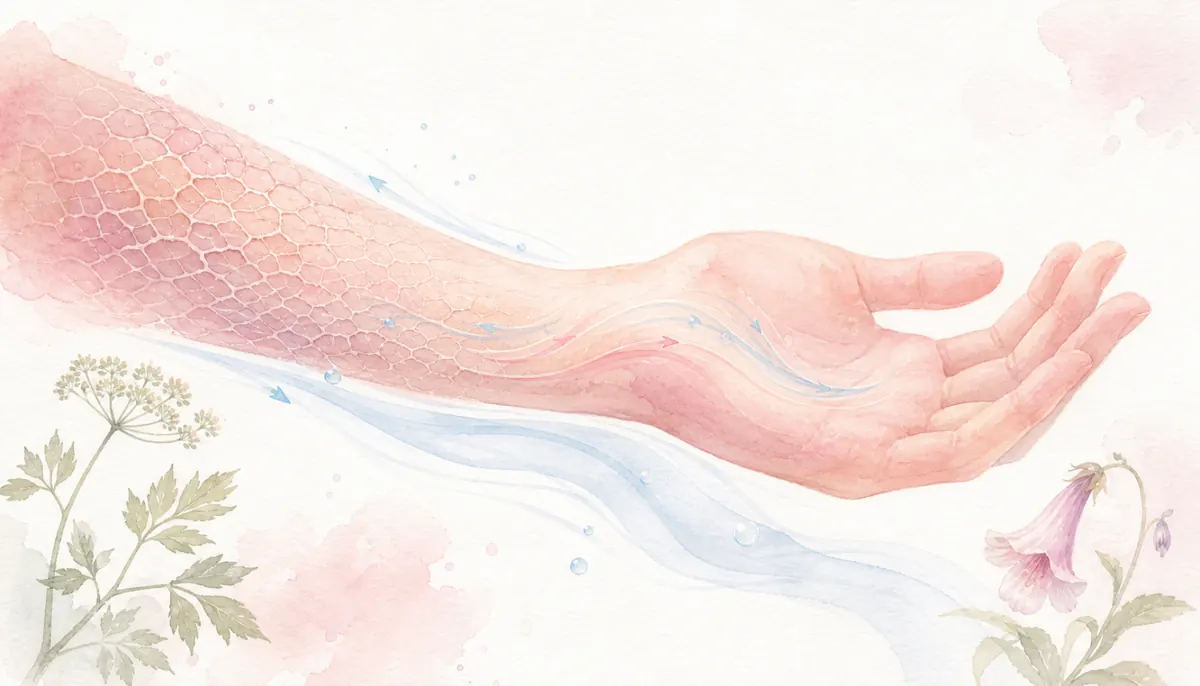
Ichthyosis: Illustration for this condition

Key points

  1. 1The representative pattern is the persistence of very dry, thick, and rough scaly skin over wide areas.
  2. 2Depending on the type, blisters, redness, skin tightness, hair loss, and hearing or vision problems may accompany the condition.
  3. 3Reduced sweating, overheating, pain, pus, and fever are warning signs that require prompt medical evaluation.

Symptom Differentiation

Evaluating everything from skin appearance to barrier, temperature, and sensory functions

Check skin changes by type along with the impact on daily life.
Visible ChangesFelt SymptomsMeaningResponse
Widespread dryness, scaling, and rough skinTightness, itchingTypical scaling patternDermatology exam, moisturizing
Thickening, crackingPain during movementStrain on barrier and joint movementAdjustment of treatment intensity
Blisters, rednessStinging, painPossibility of severe typeSpecialist dermatology evaluation
Decreased sweatingHeat intolerance, dizziness, lethargyRisk of overheatingCool down immediately and seek medical care
Pus, heat sensation, feverRapid onset of pain, weaknessPossibility of skin infectionSame-day medical evaluation

What the clinic checks first

Should I scrub harder if there are more dead skin cells?

No. Strong friction increases cracking, pain, and barrier damage. Follow the moisturizing, scaling treatments, and gentle cleansing prescribed by a dermatologist.

More detail

Dry and Rough Scaly Skin is the Primary Symptom

Dead skin cells accumulate over wide areas

The skin on the arms, legs, torso, ears, face, or the entire body may be very dry, thick, and covered with rough scales.

Distribution varies by type

Some types are centered on the arms and legs with less involvement in skin folds, while other types appear widely across the torso, face, and ears.

Intensity varies by season and age

Some types improve during warm seasons or as the person grows, but in other cases, lifelong skin barrier management is required.

Skin Tightness, Blisters, and Daily Discomfort

Cracking and skin tightness can be painful

Thickened skin may crack and become tight, causing pain and discomfort when moving joints, walking, or dressing.

Blisters, redness, and hair loss may occur

Depending on the type, blistering skin, persistent redness, thickening, scalp scaling, and hair loss may appear.

Hearing and vision functions are also checked

Since skin changes around the ears and eyes or specific severe types can overlap with hearing or vision problems, please report any functional changes.

Prioritizing Infection, Overheating, and Newborn Risks

Do not overlook signs of skin infection

If pain, heat, pus, rapidly spreading redness, or fever occurs in cracked skin, it should not be dismissed as simple scaling.

Reduced sweating can lead to overheating

On hot days or during exercise, if there is little sweat and the skin feels hot, or if dizziness and lethargy occur, stop activity, cool down immediately, and seek evaluation.

Extensive barrier damage in newborns requires specialized treatment

Membranes, blisters, or extensive skin damage at birth require priority support from a specialized center due to the risk of heat/fluid loss and infection.

Baekrokdam's perspective on ichthyosis symptoms

We look beyond the appearance of scales to the skin barrier, body temperature, and daily functioning

Immediate evaluation takes priority over Baekrokdam's Korean herbal medicine treatment in cases of sudden infection, overheating, or skin barrier risks in newborns. For chronic or recurring scaling, we record not only thickness and cracking but also sweating, body temperature, pain, hearing, vision, and daily functioning; Korean herbal medicine treatment does not replace dermatology treatment.
01 · Acute Safety

Screening for infection, overheating, and newborn risks

We check for pain, pus, fever, decreased sweating, dizziness, and difficulty maintaining body temperature and hydration to facilitate immediate medical care.

02 · Symptom Tracking

Evaluating scaling and cracking alongside functioning

We record whether thickness, blisters, and wounds in specific areas, as well as pain during movement and reactions to sleep, dressing, exercise, and heat, change together.

03 · Korean Herbal Medicine Treatment

Supporting the management of chronic skin discomfort

While maintaining dermatology treatment, we track whether the time spent without cracking or itching improves and whether sleep and activity functions actually recover.

It is easier to determine the scope of Baekrokdam's supportive consultation if you prepare photos of the skin by area, details on cracking, blisters, and pain, changes after bathing or moisturizing, reactions to sweat and heat, and any hearing or vision discomfort.

Frequently asked questions

What does ichthyosis skin look like?

Very dry, rough, and thick scale-like keratin may appear on the arms, legs, torso, face, or across the entire body.

Is there also itching and pain?

Itching or stinging may occur due to dryness and cracking, and severe skin tightness can cause pain during movement.

Why can it be dangerous on hot days?

In some severe types, sweating is reduced, making it difficult to lower body temperature; therefore, overheating, dizziness, and lethargy must be monitored closely.

When should I suspect an infection?

If cracked areas suddenly become painful and hot, or if pus, spreading redness, or fever occurs, a medical evaluation on the same day is necessary.

Sources

  1. NHS — IchthyosisSymptoms of dryness, scaling, blisters, infection, overheating, hearing, and vision
    Open source
  2. GOSH — IchthyosisDistribution by type, blisters, and skin changes at birth
    Open source

Content reviewed:

This information supports, but does not replace, diagnosis or treatment by a qualified healthcare professional.

The clinic is outside telephone hours

You can leave your inquiry now.

Leave an inquiry Call anyway