BRD Clinic
Only people currently living in Korea with their own Korean 010 mobile number can apply. Overseas residents are not eligible.

Symptoms of Burnout Syndrome: How is it different from simple fatigue?

Burnout syndrome is an occupational phenomenon resulting from unmanaged chronic workplace stress. Its core characteristics are energy depletion, increased mental distance from one's job, and reduced professional efficacy. Unlike simple fatigue, it impairs work functioning and affects daily life.

Symptoms

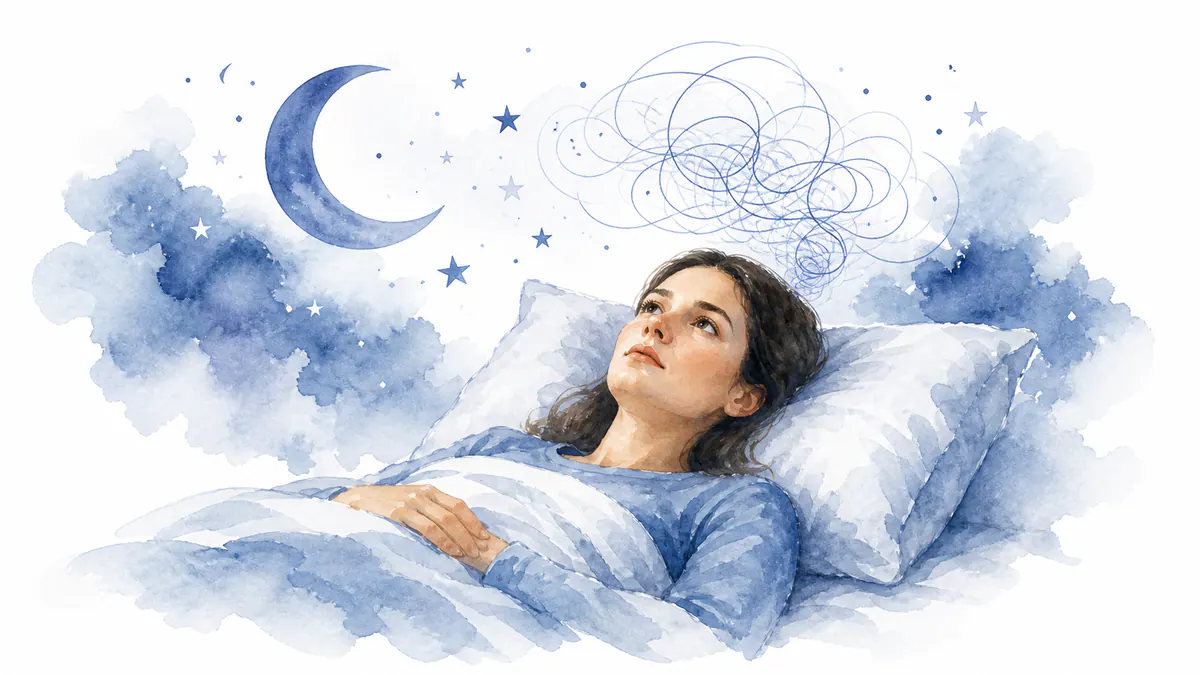
Burnout Syndrome: Illustration for this condition

Key points

  1. 1Burnout is an occupational phenomenon, not a disease
  2. 2Core symptoms include exhaustion, detachment, and reduced efficacy
  3. 3If symptoms impair your daily functioning, do not try to endure it alone; seek medical evaluation

How to check for burnout syndrome

Find out if my symptoms are burnout

Please check the applicable items in the table below. If symptoms persist in 2 or more of the 3 areas, burnout may be suspected.
ExhaustionDetachmentReduced Efficacy
Feeling tired even before going to workCynical attitude toward workNo sense of achievement despite working
Not recovering even after restingAvoiding conversations with colleaguesFrequent mistakes
Struggling with basic tasksBecoming indifferent to workDoubting one's own abilities
Fatigue not relieved even on weekendsNegative thoughts about workDissatisfaction with work results

What the clinic checks first

Burnout is caused by a lack of willpower

Burnout is not a result of a lack of willpower, but the consequence of unmanaged chronic workplace stress. The WHO defines burnout as an occupational phenomenon rather than a disease and does not view it as a matter of individual willpower.

More detail

Core Symptoms of Burnout

Energy Depletion and Exhaustion

You feel tired even before arriving at work, and handling basic tasks feels overwhelming. Fatigue persists and does not improve even with rest.

Mental Distance from Work

You become cynical toward your work and avoid conversations with colleagues or clients. Indifference toward your job increases.

Reduced Professional Efficacy

You no longer feel a sense of accomplishment even when completing tasks, and mistakes become more frequent. You begin to doubt your own abilities.

Difference Between Simple Fatigue and Burnout

Fatigue alone does not confirm burnout

Fatigue can appear in sleep disorders, depression, anxiety, or various physical illnesses. It is distinguished from other causes by checking for the presence of exhaustion, detachment, and reduced efficacy specifically within the workplace context.

Burnout impairs work functioning

Burnout leads to decreased productivity, behavioral changes, and a decline in the quality of work. It also impacts daily life.

The occupational context is essential

Burnout arises from unmanaged chronic workplace stress. Not all fatigue or depression experienced outside of work is referred to as burnout.

When Medical Evaluation is Necessary

Thoughts of self-harm or suicide

If you have thoughts of self-harm or suicide, you must immediately visit a psychiatry clinic or an emergency room. Do not try to endure this as mere burnout.

Rapid collapse of daily functioning

Immediate medical evaluation is required if it becomes impossible to go to work or if you find it difficult to maintain basic daily activities.

Accompanying physical symptoms

If you experience chest pain, difficulty breathing, severe insomnia, or agitation, you should seek internal medicine or emergency care. The possibility of other medical conditions must be ruled out.

At Baekrokdam, we do not simplify burnout syndrome to a single diagnosis or a list of restrictions

Burnout syndrome symptoms: Let's examine what to check in your specific case

You may have been searching for answers because 'going to work in the morning feels too overwhelming.' If these changes occurred suddenly, we first check for necessary tests and medical evaluations. If the symptoms are long-lasting or recurring, we examine the timing, frequency, and intensity of the symptoms, as well as changes after sleep or activity, to decide together what to manage or treat first.
01 · Please let us know first

The most difficult moments and when it first started

Please keep a record of when the symptoms first appeared, along with exhaustion before work, feelings of detachment or lack of focus during work, and your recovery after leaving work.

02 · Things to check first

Whether symptoms appeared suddenly, or are long-term or recurring

We first categorize similar states and warning signs, such as the 'exhaustion type' (depleted energy making work and basic tasks overwhelming), the 'detachment type' (increased cynicism and distance from work, avoiding conversation), and the 'reduced efficacy type' (increased mistakes and lack of achievement even when tasks are completed). During the medical evaluation, we follow this sequence: first, evaluate other causes such as depression, anxiety, sleep disorders, anemia, or thyroid issues $\rightarrow$ realistically adjust workload, roles, rest, and workplace support $ ightarrow$ track sleep, focus, work function, and recovery time. If you experience thoughts of self-harm, a sudden collapse of daily functioning, chest pain, difficulty breathing, or severe insomnia and agitation, do not try to endure it as burnout and seek medical attention immediately. For long-term or recurring cases, we review the diagnosis, response to previous treatments, and the impact on daily life.

03 · Baekrokdam Consultation

Reviewing previous treatments and remaining discomfort together

If discomfort persists after acute risks are resolved, if there is an insufficient response to existing Western medical treatments, or if options are limited due to side effects, contraindications, or the burden of medication, we review the frequency of symptoms, sleep, activity, and treatment history. At this stage, we explain the context and limitations of considering herbal medicine as a concurrent or separate option; we do not promise specific effects or advise the arbitrary discontinuation of existing medications.

If it is still unclear what to change in your case after reading about burnout syndrome, please come for a consultation with records of the start, frequency, and intensity of recent symptoms, situations where they worsen or improve, test results, and current medications. After the consultation, we will together monitor changes in exhaustion before work, detachment and focus during work, and recovery after leaving work.

Frequently asked questions

Is burnout a disease?

Burnout is not a disease, but an occupational phenomenon. It is not classified as a disease in the WHO ICD-11 and results from unmanaged chronic workplace stress.

How is burnout different from depression?

Burnout is centered on exhaustion, detachment, and a reduced sense of efficacy occurring within a workplace context. Depression is characterized by a general low mood and loss of interest. Since symptoms can overlap, an accurate evaluation is necessary.

Where should I go if I suspect burnout?

First, it is recommended to visit a psychiatry or internal medicine clinic to check for other causes such as depression, anxiety, sleep disorders, anemia, or thyroid issues. Along with managing workplace stress, you may receive supportive treatment at a Korean medicine clinic to help with sleep, tension, and digestive discomfort.

How is burnout syndrome treated?

Burnout is not a medical diagnosis, but an occupational phenomenon related to unmanaged chronic workplace stress. Adjust your workload, level of control, and rest/support systems; if the decline in daily functioning persists, seek professional help. Because symptoms can overlap with depression, anxiety, sleep disorders, or physical illnesses, not all fatigue is concluded to be burnout.

Sources

  1. NHS — Work-related stressChanges in work and daily functioning caused by work stress and criteria for seeking help
    Open source
  2. WHO — Burn-out an occupational phenomenonThe occupational context definition and three core dimensions of burnout in ICD-11
    Open source

Content reviewed:

This information supports, but does not replace, diagnosis or treatment by a qualified healthcare professional.

The clinic is outside telephone hours

You can leave your inquiry now.

Leave an inquiry Call anyway