
Changes in how pain signals are processed
A leading theory is that the process by which the brain, spinal cord, and nerve pathways transmit and receive pain signals changes, leading to a state where the same stimulus is felt as more intense pain.
The exact cause of fibromyalgia has not yet been identified as a single factor. Currently, research suggests that a key mechanism is a change in how the central nervous system, including the brain and spinal cord, transmits and receives pain signals, leading to increased pain sensitivity. While family trends suggest a partial contribution of genetic factors, it cannot be explained by a single specific gene. Symptoms may begin following events such as injury, infection, or emotional stress, or they may develop without a clear trigger. Pain is not attributed to an individual's willpower or mindset, nor is it explained as simple muscle damage.
Guide to the Causes of Fibromyalgia
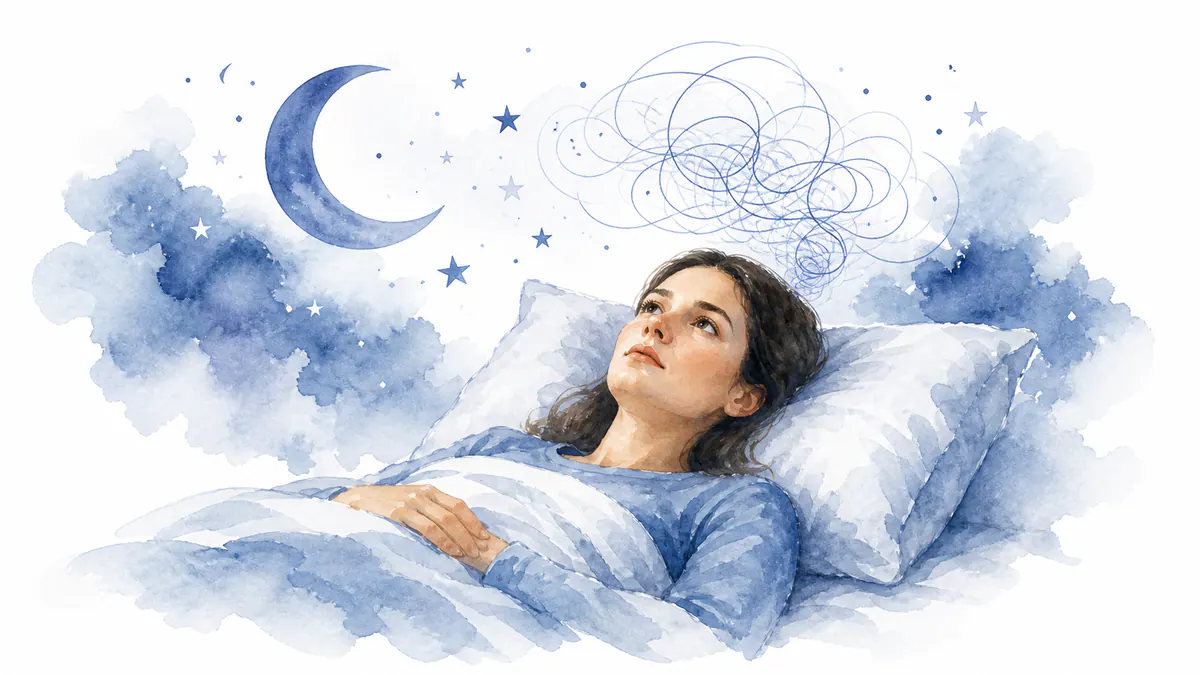
Causal Context and Differential Diagnosis
| Situation to Check | Possible Meaning | Next Step |
|---|---|---|
| Persistent widespread pain accompanied by fatigue, sleep, and concentration issues | Possible change in pain signal processing sensitivity | Evaluation of symptom combinations and function during medical evaluation |
| Similar symptoms or diagnoses present in family members | Possibility that genetic predisposition contributes in part | Individual evaluation without confirming based solely on family trends |
| Symptoms starting after injury, infection, or emotional stress | Possibility that a triggering event was the starting point | Record the flow of events and symptoms, but avoid concluding a single cause |
| Gradual onset without a clear trigger | Can occur even without a triggering event | Evaluation of other causes for pain, sleep, and fatigue |
| New joint swelling, high fever, or progressive muscle weakness | Possibility of other inflammatory, infectious, or neurological diseases | Do not dismiss as fibromyalgia; seek prompt medical evaluation |
What the clinic checks first
Fibromyalgia cannot be explained as a disease caused by damage to a single specific muscle, and a precise single cause is not yet known. Research suggests that changes in the nerve pathways that transmit and receive pain, along with increased pain sensitivity, are the primary mechanisms, which are also linked to fatigue, sleep, and cognitive discomfort. While genetic predispositions and environmental factors—such as other illnesses, injuries, infections, or emotional stress—are thought to be involved, no single factor is confirmed as the definitive cause in individual diagnoses.
A leading theory is that the process by which the brain, spinal cord, and nerve pathways transmit and receive pain signals changes, leading to a state where the same stimulus is felt as more intense pain.
Stimuli that would normally not be painful may be felt as pain, or existing pain may be felt for longer durations or over wider areas. This does not mean the pain is imaginary.
Research is exploring the possibility that changes in nerve signals are involved not only in widespread pain but also in fatigue, non-restorative sleep, and difficulties with concentration and memory.
Fibromyalgia tends to appear more frequently within families, suggesting that genetic factors may be involved. However, onset is not confirmed based on a single specific gene or family trend alone.
Other conditions that cause persistent pain may act as an environmental triggering context. Existing conditions and fibromyalgia symptoms are evaluated separately and are not grouped under a single cause.
Some people notice symptoms starting after a physical injury or infection, but this does not mean that the preceding event is necessarily the sole cause.
While symptoms may begin after significant emotional stress, fibromyalgia is not explained as a psychological problem or a lack of individual willpower. It can also occur without a clear trigger.
A leading theory explaining persistent pain and hypersensitivity is a change in the way the central nervous system, including the brain and spinal cord, processes pain messages.
The fact that specific damage was not found through general imaging or blood tests does not mean the pain is not there. It is important to understand the functional processing changes in the nervous system.
Changes in pain processing can also contribute to fatigue, a feeling of not being refreshed after sleep, and difficulties with concentration and memory; therefore, these symptoms are evaluated together as a cluster.
Similar diagnoses within a family suggest a contribution of genetic predisposition, but this does not mean the condition will inevitably develop, nor is it diagnosed based on family trends alone.
An interaction of multiple factors is expected, and currently, no single specific gene can be confirmed as the cause. Genetic testing is not viewed as a means of confirming the cause.
Other diseases that cause long-term pain and mental health issues may be included in the risk context. Comorbidities are not attributed to the individual and are treated separately.
In some cases, whole-body pain and fatigue begin after an injury or infection, but not everyone experiences such an event, and a definitive causal relationship cannot be established.
Significant stress may coincide with the onset of symptoms, but this does not mean stress is the sole cause. Pain is not explained as a result of one's mindset or a lack of willpower.
Fibromyalgia is not ruled out even if no specific event is found. Rather than forcing a cause, we evaluate symptoms, function, and the possibility of other diseases.
Red and hot joints, high fever, chills, and a general decline in systemic condition require confirmation of potential inflammation or infection distinct from existing pain.
If weakness or loss of sensation progresses, or if walking or bowel/bladder functions change, do not dismiss this as a worsening of fibromyalgia and seek prompt medical evaluation.
Baekrokdam herbal medicine treatment does not replace the differential diagnosis of other diseases or evidence-based fibromyalgia treatment; it provides supportive consultation only for remaining discomfort during the stable phase.
Baekrokdam's perspective on fibromyalgia cause consultations
New swelling, high fever, progressive changes in muscle strength, sensation, or bowel/bladder function, and cardiopulmonary symptoms are not dismissed as existing generalized pain.
We examine the timeline of pain onset, sleep, fatigue, family tendencies, and injuries, infections, or stress, without attributing it to any single factor.
We do not replace exercise, sleep, psychological, or drug therapies; we only set supportive goals for chronic or recurrent pain, fatigue, and walking or work functions.
Please prepare information regarding when the pain started and the order in which it spread, records of sleep, fatigue, and activity, any preceding injuries, infections, or stress, similar symptoms in family members, test results, and all medications you are taking.
A single cause has not been determined. Changes in pain signal processing and increased pain sensitivity are the primary mechanisms, and it is believed that genetic predispositions and environmental factors are involved together.
There is a familial tendency, but it does not necessarily mean it will develop, and it cannot be explained by a single specific gene. If you have symptoms, please receive an individual evaluation.
It can be a triggering event, but it cannot be confirmed as the sole cause simply because it occurred first. It can also occur without a clear trigger.
Since there is no confirmed single cause, we do not promise the removal of the cause. We provide consultation only within the supportive scope for remaining discomfort while maintaining existing diagnoses and exercise, sleep, psychological, and medication treatments.
Content reviewed:
This information supports, but does not replace, diagnosis or treatment by a qualified healthcare professional.