BRD Clinic
Only people currently living in Korea with their own Korean 010 mobile number can apply. Overseas residents are not eligible.

Myofascial Pain Syndrome Treatment: Choosing Between Exercise, Physical Therapy, and Trigger Point Procedures

The core of treating myofascial pain syndrome is not simply applying pressure to the painful area, but evaluating posture, repetitive motions, and muscle function, followed by consistent gentle stretching, strength and aerobic exercise, and physical therapy. Depending on the pain, analgesics, certain antidepressants, or muscle relaxants may be considered; if local trigger point pain persists despite sufficient conservative treatment, a combination of injections, dry needling, or TENS may be used. Since no single method works for everyone, we compare not only the pain but also movement, sleep, work function, and potential side effects.

Guide to Myofascial Pain Syndrome Treatment

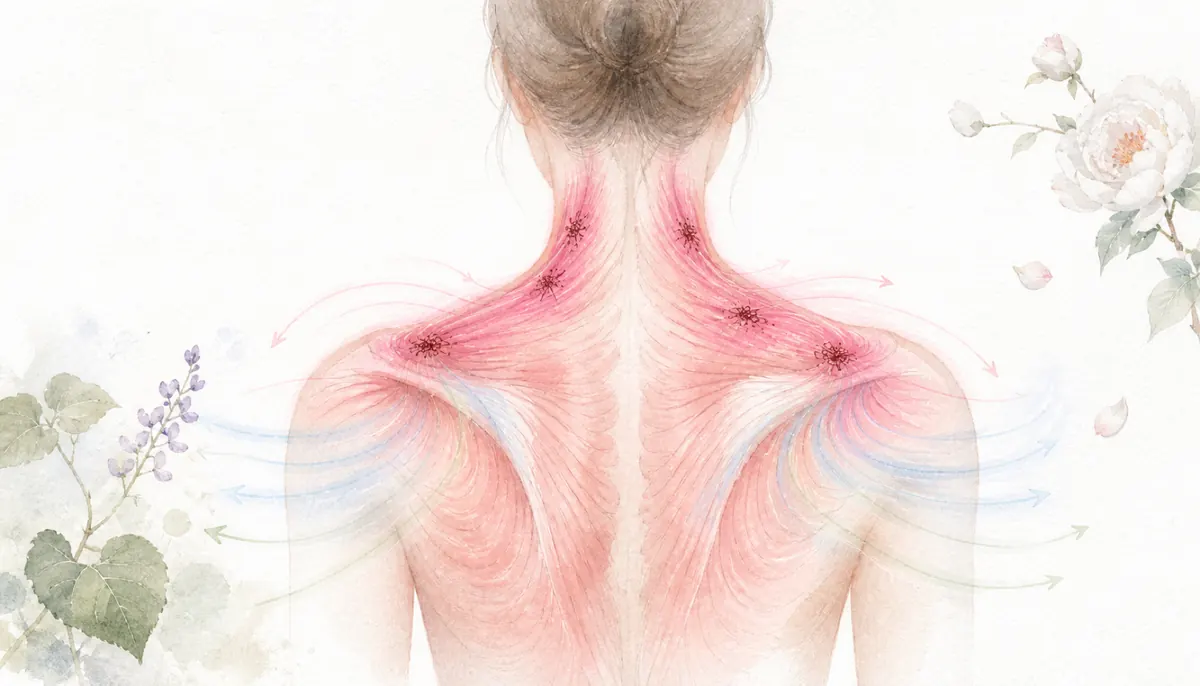
Myofascial Pain Syndrome: Illustration for this condition

Key points

  1. 1Exercise and physical therapy are fundamental; avoid methods that involve enduring pain to apply strong pressure.
  2. 2Medications, injections, dry needling, and TENS are combined with conservative treatment based on symptoms and preference.
  3. 3New muscle weakness, sensory changes, trauma, or fever should not be dismissed as myofascial pain and require re-evaluation.

Treatment Selection Table

Determine the next step based on the area of pain, movement limitations, and current response to treatment

Rehabilitation, medication, and procedures are compared step-by-step; only chronic discomfort remaining after standard care is categorized for consultation regarding Baekrokdam Korean herbal medicine.
Current SituationTreatment to ReviewNext Action
Localized pain following posture or repetitive motionsGentle stretching, strengthening, aerobic exercise, and postural adjustmentEstablish a safe exercise range with a physical therapist
Difficulty exercising or sleeping due to painPainkillers, certain antidepressants, muscle relaxantsReview of underlying conditions and side effects with other medications
Persistent local trigger points after conservative treatmentTrigger point injections, dry needling, TENSComparison of benefits and risks in rehabilitation or pain management
Widespread pain, severe fatigue, sleep disordersDifferential diagnosis for other pain conditions such as fibromyalgiaAdjustment of treatment plan after diagnostic reassessment
New muscle weakness, loss of sensation, fever, or traumaAcute causes such as neurological issues, infection, or injuryPrompt medical evaluation over herbal medicine or massage

What the clinic checks first

Does pressing harder on the painful spot release the trigger point faster?

Strong pressure is not always better and can sometimes worsen pain and muscle tension. Gentle stretching, strengthening, and postural adjustments are the foundation, and necessary injections or dry needling are selected after a medical evaluation.

More detail

Focusing Treatment on Exercise and Physical Therapy

Expanding range of motion with gentle stretching

A physical therapist helps stretch and restore movement within a range that does not excessively stimulate the painful muscles.

Progressing through strengthening and aerobic exercise

Strengthen weakened muscles and increase aerobic activity, adjusting the intensity so that severe worsening does not persist into the next day.

Changing posture and repetitive motions in actual work

Reduce repetitive strain on the same muscles by adjusting desk height, screen position, tools, and break intervals.

Using Medications and Procedures to Support Functional Recovery

Evaluating medications based on pain, sleep, and side effects

Analgesics, certain antidepressants, and muscle relaxants can create the opportunity to continue exercise, but drowsiness, dependence, and drug interactions must be checked.

Selectively considering trigger point injections or dry needling

If local knots and referred pain persist after conservative treatment, anesthetic injections or dry needling may be considered; however, it is explained that repeated procedures alone do not resolve the root cause.

Monitoring responses to TENS and ultrasound

Electrical stimulation, ultrasound, and shockwave therapy are used as supplements for some pain and do not replace exercise or functional recovery.

Determining When to Re-evaluate Diagnosis and the Scope of Herbal Medicine

Distinguishing between local and systemic pain

If pain spreads throughout the body and is accompanied by severe fatigue or sleep disorders, other conditions such as fibromyalgia are re-evaluated.

Prioritizing examination for neurological symptoms, trauma, or fever

New muscle weakness, loss of sensation, major trauma, fever, or swelling are not concluded to be myofascial pain without further examination.

Herbal medicine does not replace rehabilitation and procedures

Baekrokdam Korean herbal medicine treatment does not replace exercise, physical therapy, necessary medications, injections, or neurological evaluations; it is consulted only as a supportive measure after stabilization.

Treatment and follow-up

Treatment for myofascial pain syndrome begins after a physical examination to identify trigger points and movement limitations and to distinguish them from other muscular or neurological causes. Exercise and physical therapy are the foundation, with medications, injections, and dry needling added as needed. Baekrokdam Korean herbal medicine treatment is limited to a supportive role that does not interfere with the functional recovery plan.

Options to discuss

Gradual stretching, strengthening, and aerobic exercise

We change movement patterns and recurrence conditions through gentle stretching tailored to your pain, strength and aerobic exercises, and adjustments to posture and repetitive motions.

Medication to reduce pain enough to continue exercise

Painkillers, certain antidepressants, and muscle relaxants are selected based on individual medical history and other medications, while monitoring for side effects such as drowsiness or dependency.

Review of injections, dry needling, and physical therapy equipment for local pain

Injections, dry needling, or TENS may be added for trigger points that remain after conservative treatment; if there is no response, the diagnosis is reassessed.

Limits and cautions

A single procedure does not guarantee a complete cure

Effects vary by person, and pain may recur if repetitive postures, muscle strength, or sleep conditions remain unchanged, so rehabilitation is continued in tandem.

Do not endure pain during intense massage

Avoid stimulation that leaves bruising, numbness, or severe worsening the next day; safe pressure and range of motion are determined with the clinical team.

Do not attribute new neurological symptoms to trigger points

For muscle weakness, loss of sensation, changes in gait, fever, or trauma, a medical evaluation to identify other neurological or musculoskeletal causes takes priority.

What to track

  • Pain location, referred pain, and intensity in the morning or after work
  • Range of motion in the neck, shoulders, and lower back, and limitations in daily activities
  • Type and intensity of exercise and changes in pain the following day
  • Effects and side effects of medication, injections, dry needling, and physical therapy
  • Sleep, fatigue, and new changes in muscle strength, sensation, or gait

How Baekrokdam approaches care

Baekrokdam ensures that new neurological abnormalities, trauma, fever, and widespread pain are first evaluated by departments such as Rehabilitation Medicine or Neurology. After maintaining exercise, physical therapy, and necessary medications or procedures, Korean herbal medicine may be consulted as a supportive option when chronic/recurring pain coincides with unstable sleep or fatigue; we do not promise the complete removal of trigger points.

  • Pain location, referred pain, and trigger point examination results
  • Range of motion, muscle strength, posture, and repetitive work movements
  • Effects and side effects of exercise, medication, injections, and dry needling
  • Sleep, fatigue, and new neurological or systemic symptoms

Combined with the rehabilitation plan

While maintaining the stretching, strengthening, aerobic exercises, and postural adjustments prescribed by a physical therapist, we monitor whether taking herbal medicine interferes with participation in exercise.

Measuring both pain and function

In addition to pain scores, we record changes in neck and shoulder movement, duration of work sustainability, and the frequency of waking up during sleep.

Reassessment if there is no change or worsening

If there is no objective improvement in function or if new numbness or muscle weakness occurs, the herbal medicine prescription is reassessed and the patient is referred to necessary standard medical care.

New muscle weakness, sensory abnormalities, trauma, or fever require priority cause evaluation and standard treatment. Herbal medicine treatment does not replace exercise, physical therapy, or myofascial pain treatments such as medication, injections, or dry needling.

Baekrokdam's perspective on treating myofascial pain syndrome

Ruling out neurological issues, trauma, and infection first to maintain exercise and functional recovery

For new muscle weakness, sensory abnormalities, major trauma, fever, or rapid swelling, acute evaluation and standard treatment from departments such as Rehabilitation Medicine or Neurology take priority over Baekrokdam's herbal medicine treatment. For chronic or recurrent myofascial pain, we monitor posture, work movements, range of motion, and changes in sleep while maintaining exercise, physical therapy, and necessary medications or procedures. Consultations for herbal medicine are conducted within a scope that does not replace rehabilitation.
Acute Risks

Distinguishing neurological issues, trauma, and infection from other pain

We check muscle strength, sensation, gait, trauma, fever, chest pain, and respiration to ensure necessary medical care is not delayed.

Functional Recovery

Monitoring posture, repetitive movements, and response to exercise

We record range of motion, muscle strength, work movements, and pain the day after exercise to adjust the intensity of rehabilitation.

Herbal Medicine Treatment

Supporting only chronic discomfort following standard treatment

Rather than replacing exercise, physical therapy, medication, or procedures, we track changes in pain, sleep, fatigue, and actual physical function.

If you prepare your pain map and referred pain, posture and work movements, range of motion, responses to exercise/physical therapy/medication/injections, and records of new numbness, muscle weakness, and sleep, we can provide a detailed explanation of the supportive scope of care at Baekrokdam.

Frequently asked questions

Is exercise important in the treatment of myofascial pain syndrome?

Yes. Gentle stretching, strengthening, and aerobic exercises are core components of physical therapy and are adjusted step-by-step according to pain levels and function.

Do I absolutely need to receive trigger point injections or dry needling?

They are not necessary for everyone. When localized pain persists after exercise, physical therapy, and medication, the benefits and risks are compared based on a medical examination.

Will it get better if I massage it firmly to release the tension?

Strong pressure can sometimes worsen the pain. Please receive guidance from a physical therapist within a range that does not leave bruising, numbness, or severe worsening the following day.

Can herbal medicine treatment replace rehabilitation?

It cannot. After maintaining exercise, physical therapy, and necessary medications or procedures, consultations are provided only for the supportive management of chronic pain, sleep, and fatigue.

Sources

  1. Mayo Clinic — Myofascial pain syndrome: Diagnosis and treatmentEvidence for combined therapy including physical therapy focused on exercise, stretching, and massage, as well as medication, trigger point injections, dry needling, and TENS
    Open source
  2. Cleveland Clinic — Myofascial Pain SyndromeEvidence for strengthening, stretching, aerobic exercise, physical therapy, localized procedures, medication, and differential diagnosis from other pain disorders
    Open source

Content reviewed:

This information supports, but does not replace, diagnosis or treatment by a qualified healthcare professional.

The clinic is outside telephone hours

You can leave your inquiry now.

Leave an inquiry Call anyway