Blog & Columns
Useful information about health and Korean medicine.
Total 96 posts
The 2-Week Diet: Is It Truly Sustainable?
A 2-week diet, is it truly sustainable?...
Sudden Weight Gain When Your Period Starts? How to Successfully Diet During Your Period
Sudden weight gain as soon as your period starts, what's the strategy for successful dieting during menstruation?
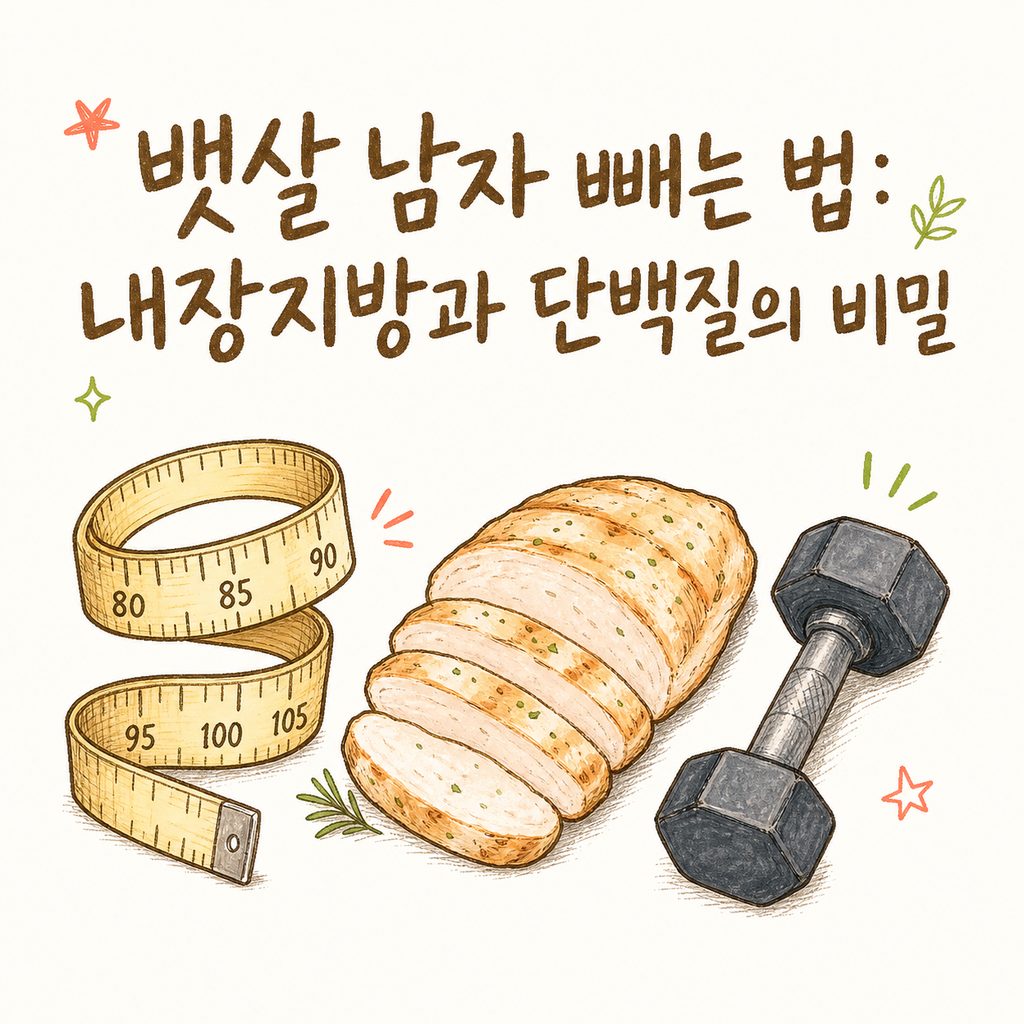
Belly Fat That Won't Budge? Men, Find the Root Cause of Your Abdominal Obesity.
No matter what you do, that belly fat just won't disappear. Start by finding the cause of male abdominal obesity...
Worried about your menstrual cycle? Should you diet during menstruation?
Are you worried about your menstrual cycle? Should you diet during your period?
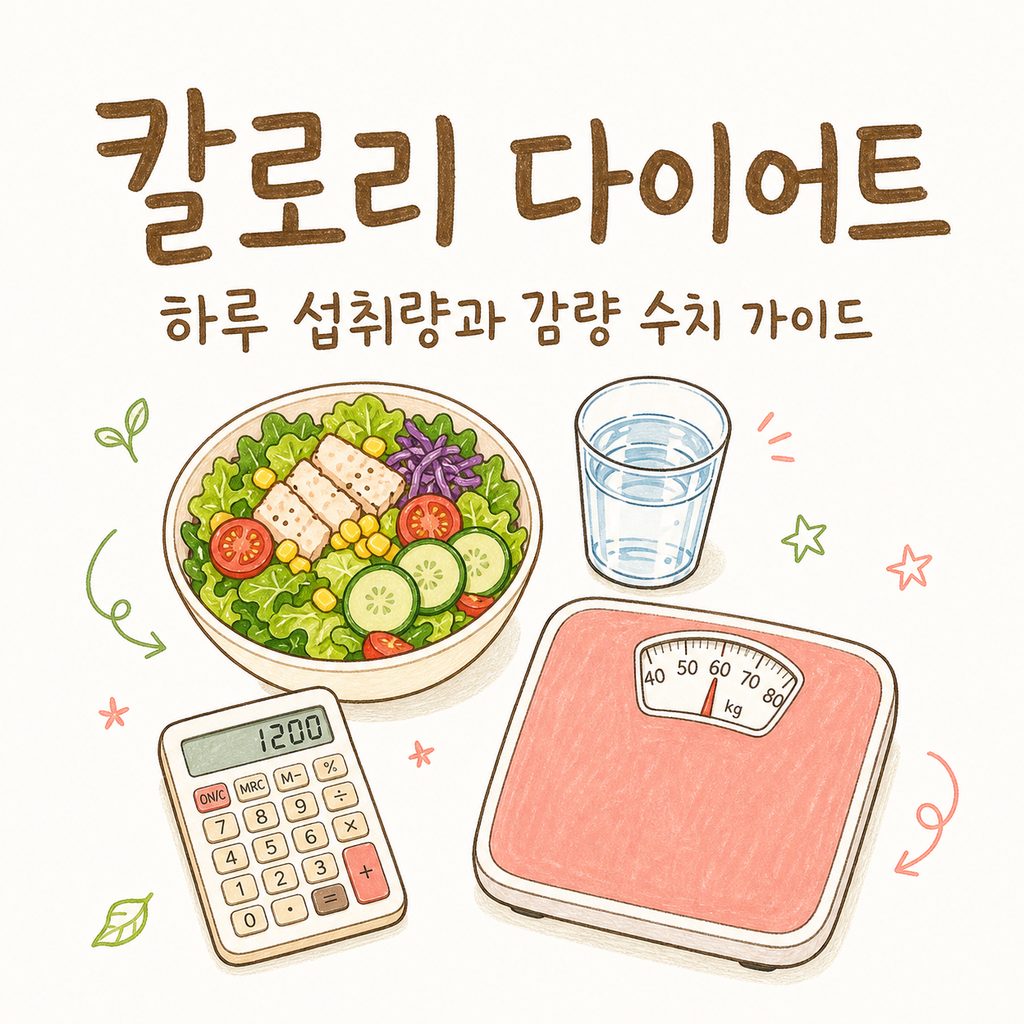
Lose 10kg in a Month: Expert's Realistic Advice
Losing 10kg in a Month, an Expert's Realistic Advice...
Lemon Detox Side Effects: What You Need to Know Before You Start
Lemon Detox Side Effects: Understand Them Fully Before You Start (Safety)...
My Weight Won't Budge No Matter How Hard I Try—Why? | Reasons You're Not Losing Weight
No matter how much you try, your weight stays the same. But why is that? Are you frustrated by the lack of progress, even though you're diligently combining diet and exercise? There are many different reasons why your weight might not change when you're on a diet. If you properly understand the basic principles of weight loss, you can achieve healthy diet results. Today, we'll explore the common reasons why your weight isn't dropping, along with their solutions. <b>Cause 1. Incorrect Diet</b> Simply reducing food intake doesn't necessarily lead to weight loss. It's important to focus on consuming low-calorie foods and maintaining a healthy diet. You should maintain a high-protein, low-fat diet and consume plenty of fresh vegetables and fruits. It's important to control carbohydrate intake and avoid processed foods and those high in sugar. <b>Cause 2. Insufficient or Excessive Exercise</b> Exercise is a crucial factor in weight loss, but it's important to do it correctly. Exercising too little or too much can hinder weight loss. It's recommended to combine aerobic exercise and strength training 3-5 times a week for at least 30 minutes. Stretching before and after exercise is also important to prevent injuries and aid muscle recovery. <b>Cause 3. Insufficient Water Intake</b> Water promotes metabolism and helps burn body fat. It's recommended to drink more than 8 glasses of water a day and avoid caffeinated beverages and those high in sugar. Adequate water intake also helps increase satiety and suppress appetite. <b>Cause 4. Sleep Deprivation</b> Sleep deprivation can lead to hormonal imbalances, increasing appetite and causing body fat accumulation. It's important to get 7-8 hours of adequate sleep a day and maintain regular sleep habits. Before going to bed, it's advisable to limit smartphone use and create a comfortable environment. <b>Cause 5. Stress</b> Stress can increase the secretion of cortisol, leading to body fat accumulation. To manage stress, it's good to engage in regular exercise, meditation, hobbies, and other activities. It's important to find your own methods for stress relief and manage it healthily. <b>Cause 6. Underlying Health Conditions</b> Underlying health conditions such as hypothyroidism and polycystic ovary syndrome can make weight loss difficult. If you suspect an underlying health condition, it's crucial to consult a doctor for diagnosis and treatment. It's advisable to seek professional help to create a healthy weight loss plan. <b>Cause 7. Medication Use</b> Some medications can cause weight gain or hinder weight loss. If you are taking any medications, it's important to consult with your doctor or pharmacist to understand their impact on weight loss. If necessary, medication adjustment or the use of alternative medications can be considered. <b>Cause 8. Increased Muscle Mass</b> Muscle is denser than fat, so the same volume of muscle weighs more. If your weight remains the same but your clothing size has decreased, it's highly likely that your muscle mass has increased. It's better to measure body fat percentage rather than just weight to check changes in body composition. <b>Cause 9. Incorrect Dieting Methods</b> Extreme short-term dieting can actually lead to the yo-yo effect. Sudden dietary changes or extreme exercise can be harmful to your health. It's important to consult with a professional to find a healthy dieting method that suits you. <b>Cause 10. Irregular Meal Times</b> Irregular meal times can disrupt metabolism and lead to body fat accumulation. It's recommended to eat three regular meals a day and maintain meal intervals of about 4-5 hours. It's important to choose healthy snacks and avoid excessive consumption. <b>Cause 11. Chronic Inflammation</b> Chronic inflammation can cause weight gain and make weight loss difficult. It's advisable to consume anti-inflammatory foods (such as vegetables, fruits, whole grains) and reduce processed food intake. If you suspect chronic inflammation, it's crucial to consult a doctor for diagnosis and treatment. <b>Cause 12. Gut Health Issues</b> Gut health significantly impacts weight loss. It's recommended to improve gut health by consuming foods rich in probiotics and prebiotics. If you suspect gut health issues, it's crucial to consult a doctor for diagnosis and treatment. <b>Cause 13. Hormonal Imbalance</b> Various hormones, such as thyroid hormones, insulin, and leptin, affect weight regulation. If you suspect hormonal imbalance, it's crucial to consult a doctor for diagnosis and treatment. It's advisable to maintain a diet and lifestyle that helps regulate hormones. <b>Cause 14. Genetic Factors</b> Genetic factors can influence the speed and methods of weight loss. If you have a family history, it's important to consult with a professional to find a dieting method that suits you. It's advisable to set realistic weight loss goals, taking genetic factors into account. <b>Cause 15. Post-Surgery Weight Gain</b> Weight can increase after some surgeries. If you're concerned about post-surgery weight gain, it's advisable to consult with your doctor to understand the causes and solutions. It's important to maintain a healthy diet and regular exercise after surgery. Weight loss is more than just shedding pounds; it's an important process for a healthy life. It's important to identify the various causes mentioned above and find solutions that suit you. We hope you succeed in healthy weight loss through consistent effort and professional help. If you have any questions, please feel free to ask in the comments.
Tired Postpartum Body, Which Postpartum Diet Method Is Safe?
A body exhausted after childbirth, what postpartum diet methods are safe? Every time I go to gatherings with acquaintances, I hear wonderful compliments like, 'You've lost so much weight!' and 'You've got your pre-baby body back!' Many people are curious about the ideal timing and duration for postpartum weight loss. Rather than simply starving yourself, it's crucial to manage your body in a healthy and effective way. For all those considering postpartum weight loss, in today's post, we'll tell you everything you need to know, from the <strong><a href="#">best time for postpartum dieting</a></strong> to <strong><a href="#">important precautions</a></strong>.
Diet Without Exercise | Can You Really Lose Weight Without Exercise?
Is weight loss truly possible, even without exercise?<br><br>Recently, the market for obesity treatment drugs is experiencing significant innovation. While treatment previously focused mainly on appetite suppressants, it is now evolving into an approach that induces weight loss through <b>hormone regulation</b>. Notably, drugs like 'Wegovy' or 'Zepbound' provide various benefits such as <b>appetite suppression and increased satiety</b>, along with <b>improved insulin resistance</b>, thereby maximizing their weight loss effects.<br><br>The key to these drugs lies in our body's <b>'gastrointestinal hormones'</b>. Specifically, a hormone called <b>'GLP-1'</b> plays a crucial role in regulating appetite and inducing a feeling of fullness. Recently developed obesity treatment drugs help with weight loss by precisely mimicking or enhancing the action of this GLP-1.
Got Belly Fat After Frequent Work Dinners? Wondering How to Lose That Beer Gut?
<p>With frequent company dinners and drinking gatherings, an unavoidable reality, how should we manage the growing 'drinking belly'?</p> <p>Abdominal obesity, commonly called a 'drinking belly,' can be a cause of chronic diseases such as general obesity, high blood pressure, and diabetes. This means it is not merely an aesthetic problem but can also be a serious threat to health.</p> <p>Especially for women, visceral fat can rapidly increase as the secretion of the female hormone estrogen decreases after menopause. This is a phenomenon where fat that was accumulated as subcutaneous fat in areas such as the thighs or buttocks before menopause shifts to abdominal visceral fat. Therefore, women need more careful abdominal management before and after menopause.</p> <p>Abdominal obesity increases insulin resistance, raising the risk of developing diabetes, and also raises the risk of cardiovascular diseases such as high blood pressure and hyperlipidemia. Furthermore, it can lead to various health problems, including increasing the risk of fatty liver, sleep apnea, and certain cancers.</p> <p>To prevent these problems and maintain a healthy life, managing the 'drinking belly' is essential. Beyond simply drinking less, comprehensive lifestyle changes are needed, including diet management, regular exercise, and stress management.</p> <p>In the next post, we will explore specific methods for managing the 'drinking belly' in detail.</p>
Whole Body Swelling: Is There No Apparent Cause? | Incheon Swelling
안녕하세요 백록담한의원 최연승 한의사 입니다. Hello, I am Dr. Choi Yeon-seung from Baekrokdam Korean Medicine Clinic. 오늘은 생리전증후군에 대해 알아보겠습니다. Today, we will learn about Premenstrual Syndrome. 생리전증후군은 가임기 여성의 절반 이상이 경험하는 흔한 증상입니다. Premenstrual Syndrome (PMS) is a common condition experienced by more than half of women of childbearing age. 생리가 시작되기 4~10일 전부터 다양한 신체적, 정신적 증상들이 나타나 불편감을 느끼는 것을 말합니다. It refers to the discomfort felt from various physical and mental symptoms that appear 4 to 10 days before menstruation begins. 정상적인 생리주기를 가지는 여성에서 배란기와 생리 사이에 나타납니다. It occurs in women with a normal menstrual cycle, between ovulation and menstruation. 생리가 시작되면 증상이 사라지는 것이 특징입니다. It is characterized by the symptoms disappearing once menstruation begins. <b><p>생리전증후군 증상</p></b> <b><p>Premenstrual Syndrome Symptoms</p></b> 생리전증후군의 증상은 매우 다양하게 나타납니다. The symptoms of Premenstrual Syndrome are highly varied. 크게 신체적 증상과 정신적 증상으로 나눌 수 있습니다. They can broadly be divided into physical symptoms and mental symptoms. <b><p>신체적 증상</p></b> <b><p>Physical Symptoms</p></b> 두통, 유방통, 부종, 변비, 설사, 소화불량, 피로감, 관절통 등 Headache, breast pain, edema, constipation, diarrhea, indigestion, fatigue, joint pain, etc. <b><p>정신적 증상</p></b> <b><p>Mental Symptoms</p></b> 우울감, 불안감, 초조함, 집중력 저하, 기억력 저하, 감정 기복, 불면증 등 Depressive mood, anxiety, irritability, poor concentration, poor memory, mood swings, insomnia, etc. 위에 말씀드린 증상 외에도 본인이 느끼는 다른 다양한 증상들이 나타날 수 있습니다. In addition to the symptoms mentioned above, other various symptoms that you personally experience may also appear. 불편감을 느끼는 모든 증상들을 총칭하여 생리전증후군이라고 할 수 있습니다. All symptoms that cause discomfort can collectively be referred to as Premenstrual Syndrome. <b><p>생리전증후군 진단 기준</p></b> <b><p>Premenstrual Syndrome Diagnostic Criteria</p></b> 다음과 같은 기준을 만족해야 생리전증후군으로 진단할 수 있습니다. To be diagnosed with Premenstrual Syndrome, the following criteria must be met. <br> 1. 지난 1년간 대부분의 생리 주기에서 생리 5일 전부터 1개 이상의 신체적, 정신적 증상(총 5가지 이상)이 나타나고 생리가 시작된 지 4일 이내에 증상이 없어지거나 호전되고, 생리 후 최소 일주일 동안은 증상이 나타나지 않아야 합니다. 1. Over the past year, in most menstrual cycles, one or more physical and mental symptoms (a total of 5 or more types) must appear starting 5 days before menstruation; these symptoms must disappear or improve within 4 days of menstruation starting; and no symptoms should appear for at least one week after menstruation. <br> 2. 사회생활이나 일상생활에 지장을 줄 만큼 심한 증상이 나타나야 합니다. 2. Severe symptoms must be present to the extent that they interfere with social or daily life. <br> 3. 약물, 알코올, 질병 등 다른 원인에 의한 증상이 아니어야 합니다. 3. The symptoms must not be caused by other factors such as drugs, alcohol, or other diseases. <img src="https://baekrokdam.com/wp-content/uploads/2023/12/%EC%83%9D%EB%A6%AC%EC%A0%84%EC%A6%9D%ED%9B%84%EA%B5%B01-1024x1024.jpg" alt="생리전증후군 진단"> 오늘은 생리전증후군의 증상과 진단 기준에 대해 알아보았습니다. Today, we learned about the symptoms and diagnostic criteria of Premenstrual Syndrome. 다음 포스팅에서는 생리전증후군의 원인과 치료법에 대해 알아보겠습니다. In the next post, we will learn about the causes and treatments for Premenstrual Syndrome. 읽어주셔서 감사합니다. Thank you for reading.
I feel hot, but I'm not sweating. It feels like I'm burning up inside | Empty Heat, Full Heat, Upper Heat Lower Cold Syndrome
Deficiency heat, excess heat, heat above cold below syndrome...