This service is only for foreign residents in Korea. Overseas residents are not eligible.
EN

English consultation available — No language barrier

비만 원인
비만 원인

Q. I keep experiencing yo-yo dieting. Is there a way to identify the fundamental cause of obesity in my body?

A.

First, observe your patterns: repeated cycles of starving then bingeing, strong cravings for sweets or flour-based foods, and feeling that exercise doesn't lead to weight loss. These suggest your body is conditioned to store energy. Second, check daily symptoms like morning facial puffiness, cold hands and feet, easy fatigue, and loose or irregular stools—these point to Spleen deficiency (脾虛) or Phlegm-fluid (痰飮) constitution. Finally, get a professional diagnosis through pulse, abdominal, and tongue examination to identify organ dysfunction and pathological products such as Blood stasis (瘀血) or Phlegm-fluid. These three steps help locate where your body's fundamental blockage lies.

📝 Detailed Answer

Yes, it is entirely possible. After observing many patients who repeatedly failed diets, I realized the key question is 'where is the blockage?' In Traditional Korean Medicine, obesity's root causes are viewed through three axes. First is Spleen deficiency (脾虛). The Spleen transforms food into energy; when weakened, unabsorbed fluids and nutrients accumulate, leading to a puffy face, poor appetite with a protruding belly, and bloating after small meals. Fasting short-term actually worsens this, causing more severe yo-yo effects. Second is Phlegm-fluid (痰飮). Prolonged Spleen deficiency creates sticky residues (phlegm) that lodge in vessels and tissues, blocking blood flow. This makes exercise ineffective for waste removal and causes firm belly fat, alternating constipation and diarrhea, or a sensation of phlegm. Third is Blood stasis (瘀血). Chronic stress, coldness, or lack of exercise impairs circulation, forming stasis. Signs include pain, acne or skin issues, menstrual irregularities, or dark purple sublingual veins. These often occur in combination. A self-checklist followed by pulse and abdominal palpation at a Korean medicine clinic allows precise diagnosis. Treatment then varies—tonifying the Spleen (補脾), expelling Phlegm (祛痰), or invigorating Blood (活血)—to normalize metabolic mechanisms rather than forcing rapid weight loss. This approach reduces yo-yo severity and gradually stabilizes weight. Patience is needed; changing body patterns requires at least 8–12 weeks, so avoid rushing. Culturally, this reflects the TKM principle of addressing the root (根本) rather than symptoms.
#step-guide #checklist
Dr. Yeonseung Choe

Expert Verified

Dr. Yeonseung Choe

Chief Director

← Back to 비만 원인

Related Resources

Useful Next Reads

Current page I keep experiencing yo-yo dieting. Is there a way to identify the fundamental cause of obesity in my body?

Continue with the most relevant guides and care pages.

Best Next Read Program

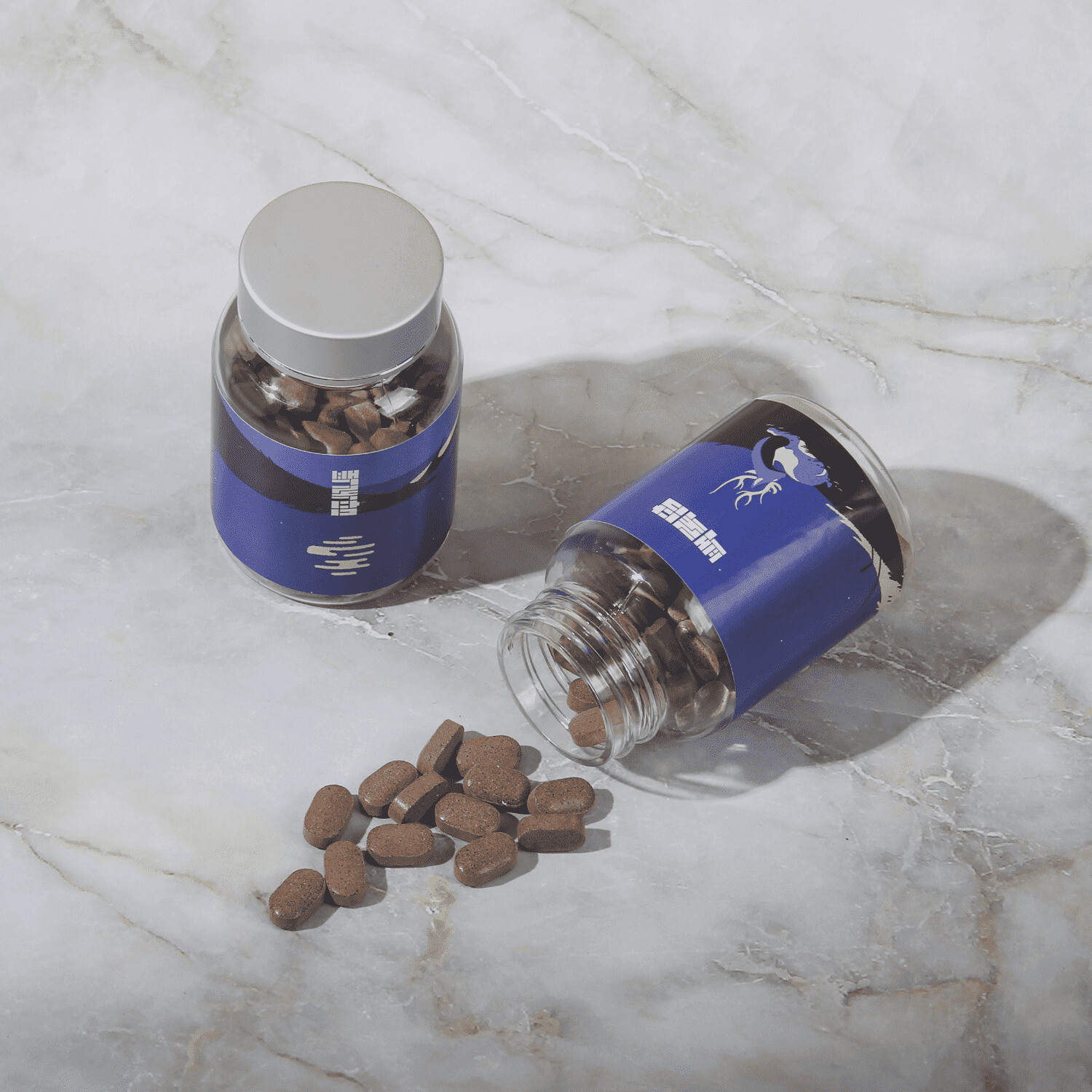
백록감비정

굶지 않고, 힘들지 않게. 표준 처방 태블릿으로 복용 설계(용량·시간)로 개인화하여 요요 없이 건강하게 체중 관리를 도와드립니다.

View program