Q. 저에게 맞는 체질 맞춤 다이어트를 시작하려면 어떻게 해야 하나요?
체질 맞춤 다이어트는 크게 다섯 단계로 접근합니다. 1. <strong>체질 진단 상담</strong>: 한의사가 맥진(脈診), 설진(舌診), 문진(問診)을 통해 태양인·태음인·소양인·소음인 중 어디에 가까운지 살펴봐요. 저도 처음엔 '체질이 뭐가 중요해?' 했는데, 같은 음식도 사람에 따라 다르게 쌓이더라고요. 2. <strong>식이 원칙 세우기</strong>: 체질별로 소화가 잘되는 음식, 잘 안 되는 음식이 달라요. 예를 들어 소음인은 차가운 음식보다 따뜻한 국물이 도움이 됩니다. 3. <strong>한약·침 치료 병행</strong>: 비허(脾虛)나 담음(痰飮)이 있다면 한약으로 기초 대사를 도와주고, 침으로 식욕 조절과 혈류 개선을 돕습니다. 4. <strong>생활 습관 조정</strong>:
상세 답변
체질 맞춤 다이어트는 ‘같은 음식을 먹어도 사람마다 살이 찌는 정도가 다른 이유’에서 시작합니다. 한의학에서는 사람을 태양인·태음인·소양인·소음인 네 가지 체질로 나누며, 체질마다 장부(臟腑)의 강약과 대사 특성이 다릅니다. 예를 들어 태음인은 비장(脾臟)과 폐(肺)가 상대적으로 강해 근육량은 많지만, 담음(痰飮)이 쌓이기 쉬워 복부 비만으로 이어지는 경우가 많습니다. 반면 소양인은 간(肝)과 담(膽)이 항진되어 스트레스성 식욕이나 위장 자극이 잦은 편입니다.
체질 다이어트를 시작하는 구체적인 방법은 다음과 같습니다.
- 체질 진단 상담 받기
한의원에서 맥진(脈診), 설진(舌診), 복진(腹診), 문진(問診)을 종합하여 체질을 판별합니다. 이때 중요한 점은 스스로 특정 체질이라 단정 짓지 않는 것입니다. 체질은 선천적인 경향성이지만, 생활 환경이나 질병 상태에 따라 일시적으로 변할 수 있기 때문입니다. - 체질별 식이 원칙 적용하기
- 태음인: 육류나 기름진 음식보다는 담백한 생선과 채소 위주로 섭취하고 소금 섭취를 조절합니다. 비허(脾虛)가 동반되어 소화가 어렵다면 익힌 채소부터 시작하는 것이 좋습니다.
- 소음인: 소화 능력이 약하므로 따뜻한 죽, 국, 찜 요리가 적합합니다. 찬 음료나 생식(生食)은 위장을 차갑게 하여 비허를 악화시킬 수 있으니 주의해야 합니다.
- 소양인: 열이 많은 체질이므로 기름지고 자극적인 음식보다는 식이섬유가 풍부한 채소와 해산물이 도움이 됩니다. 공복 시 위산 과다로 속이 쓰릴 수 있으니 소량씩 자주 먹는 습관을 권합니다.
- 태양인: 드문 체질이지만 신장(腎) 기능이 상대적으로 약해 수분 대사가 중요합니다. 짠 음식을 줄이고 보리차나 율무차처럼 이뇨(利尿) 작용을 돕는 차를 추천합니다.
- 한약·침 치료 병행하기
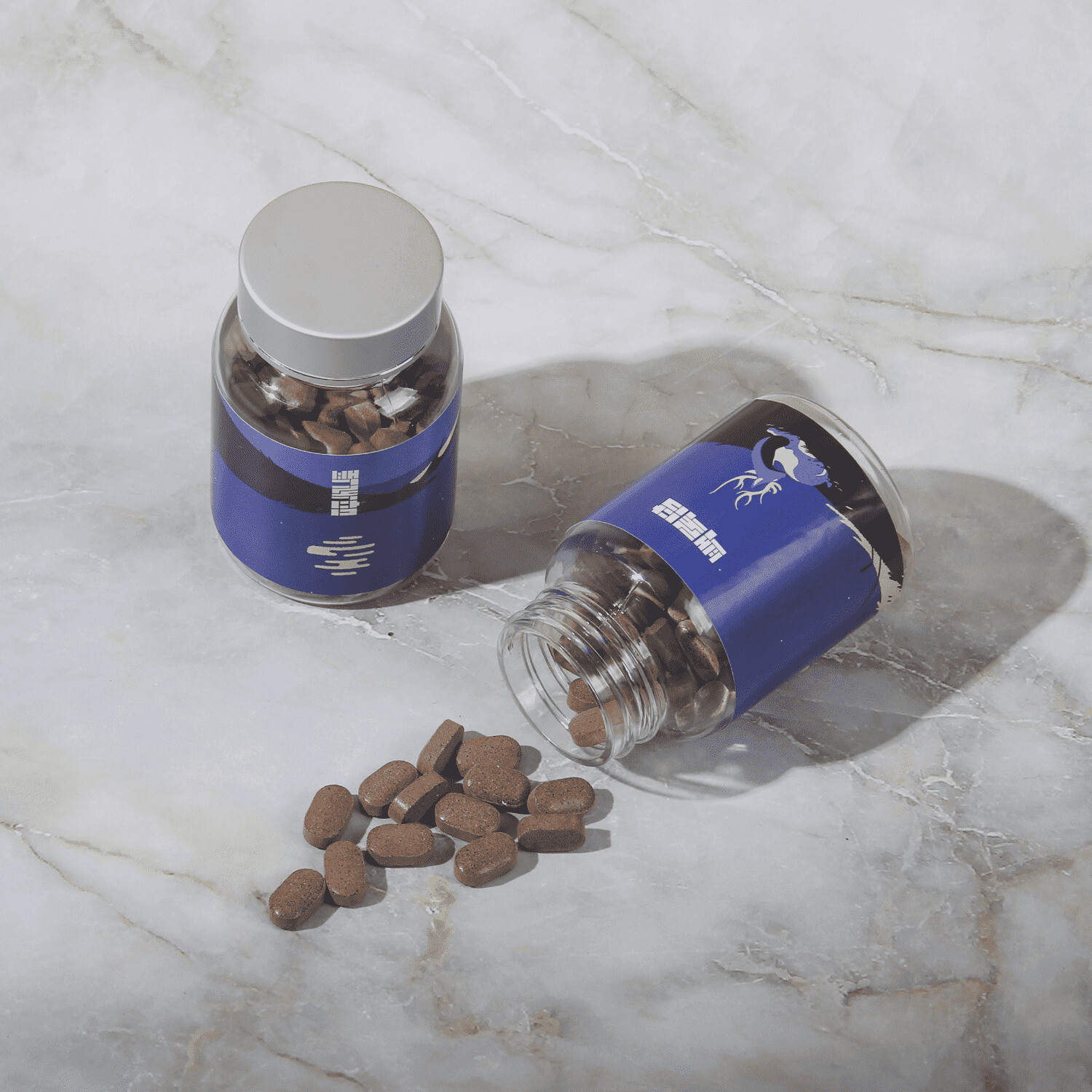
체질 다이어트 한약은 단순히 열량을 줄이는 약이 아닙니다. 비허(脾虛)에는 보비(補脾)하는 약재를, 어혈(瘀血)이나 담음(痰�� own)이 있다면 거담(祛痰)·활혈(活血) 약재를 배합합니다. 침 치료는 식욕 조절 혈(예: 귀의 신문혈, 위의 내정혈)을 자극해 폭식 충동을 낮추고, 혈액 및 림프 순환을 도와 노폐물 배출을 촉진합니다. 다만, 단기간에 무조건 몇 kg을 뺀다는 식의 과장된 기대보다는 체계적인 접근이 필요합니다. - 생활 습관 조정하기
체질에 따라 운동 강도와 수면 시간도 다르게 접근합니다. 소음인은 과격한 유산소 운동보다 요가나 스트레칭처럼 기(氣)를 과하게 소모하지 않는 운동이 좋으며, 태음인은 근력 운동이 체지방 감소에 효과적입니다. 수면은 오후 11시 이전에 취침하는 것이 기본이며, 특히 소양인은 늦은 밤 활동이 교감신경을 항진시켜 스트레스 호르몬을 높일 수 있으므로 주의가 필요합니다. - 정기 피드백으로 조율하기
다이어트는 단기간에 체질이 바뀌는 과정이 아닙니다. 보통 4주 간격으로 맥진과 체성분 분석을 통해 약재 구성을 조정하고, 식단과 생활 패턴을 점검합니다. '약만 먹으면 빠진다'는 생각보다, 체질에 맞게 몸의 균형을 잡아가는 과정으로 이해하시면 훨씬 건강하고 지속 가능한 다이어트를 하실 수 있습니다.

백록담한의원
최연승 대표원장
다이어트 · 체질개선 · 해독 전문
최종 검토 2026.05.04